


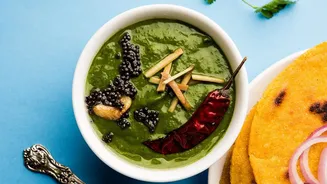
In the hustle of city life, finding time for healthy, home-cooked meals feels like a constant battle. But what if the solution isn’t a new trend, but a return to tradition? Heritage meal prep is where ancestral wisdom meets modern wellness goals.
The Original Meal Prep
Long
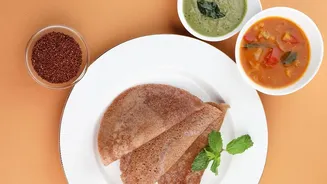
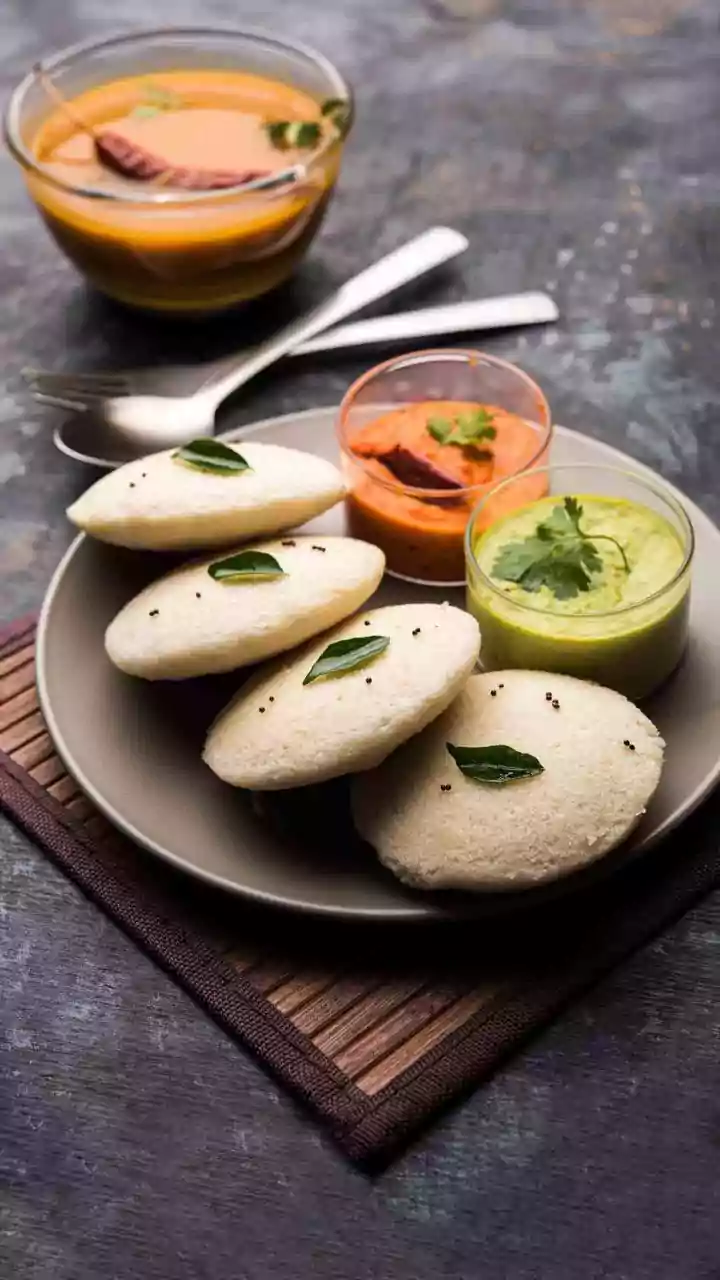
before the internet was filled with images of neatly packed containers, Indian kitchens were masters of preparation. This wasn't called 'meal prep'; it was simply the rhythm of life. Think of the weekly ritual of grinding ginger-garlic paste, preparing spice blends (masalas) from scratch, or soaking and grinding batters for idli and dosa. These time-honoured practices are the original form of meal prepping, designed to make daily cooking faster, more efficient, and deeply flavourful. Rather than cooking entire meals to be reheated, this method focuses on preparing core components. Having these bases ready transforms a hectic weeknight. A flavourful dal or a quick vegetable stir-fry becomes a 15-minute task, not an hour-long ordeal, making it easier to serve a fresh, nourishing meal instead of opting for a takeaway.
Ancestral Wisdom, Modern Nutrition
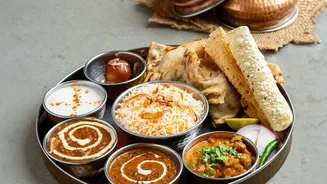
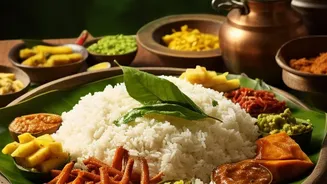
Traditional Indian cuisine is inherently balanced. A typical meal, or 'thali', is designed to include carbohydrates, proteins, fats, and fibre on one plate. This combination of dal (lentils), sabzi (vegetables), roti (whole wheat bread) or rice provides a complete nutritional profile that supports sustained energy. The health benefits go deeper than just balance. Cooking methods like steaming, slow-cooking, and light sautéing help preserve the nutrients in the food. Spices like turmeric, cumin, and ginger, used for centuries, are now celebrated for their anti-inflammatory and digestive properties. Furthermore, practices like fermenting batters for dosa not only make them easier to digest but also increase the bioavailability of vitamins and minerals.
Adapting Tradition for the Urban Kitchen
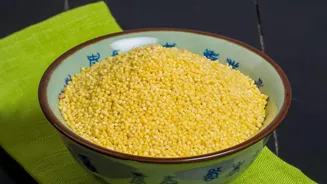
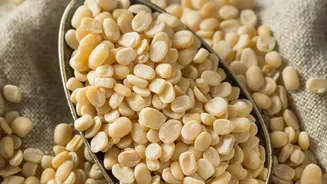
Embracing heritage cooking doesn't mean spending all day in the kitchen. It’s about smart adaptation. You can start by dedicating a few hours on the weekend to core prep. Chop vegetables for the next two or three days, boil legumes like chickpeas or kidney beans, or prepare a large batch of curry base that can be frozen in portions. To align with modern health goals, small adjustments can make a big difference. Reduce the amount of oil or ghee by using non-stick pans and relying on cooking methods like roasting and grilling. Swap refined sugar for jaggery or dates for sweetness, and opt for whole grains like brown rice, millets, or multigrain flour for rotis to increase fibre intake.
More Than Food: A Family Connection
In a world of screens and packed schedules, these kitchen traditions offer a powerful way to connect. Involving children in simple tasks—like peeling garlic, washing vegetables, or mixing spices—turns meal prep into a cherished family activity. It’s an opportunity to pass down not just recipes, but stories, culture, and a positive relationship with food. Sharing these tasks can also make the entire process more sustainable and less of a burden on one person. When cooking becomes a shared act of creation, it fosters a sense of belonging and strengthens family bonds. This connection to food and family is a crucial, though often overlooked, component of a truly healthy lifestyle.