




Why Protein is Crucial for Recovery
Every time you push yourself during a workout, you create tiny micro-tears in your muscle fibers. This is a normal part of getting stronger. The magic happens afterward, during a process called muscle protein synthesis, where your body repairs this damage
and builds your muscles back stronger than before. To do this, your body needs amino acids, the fundamental building blocks of protein. Consuming adequate protein within the post-exercise window provides your body with the raw materials it needs to kickstart this repair process, reducing muscle damage and soreness while promoting strength gains over time.
The Plant-Powered Advantage
While many athletes traditionally turned to animal sources, plant-based proteins offer a powerful alternative for muscle recovery. Plant proteins derived from foods like legumes, nuts, and seeds come packed with additional benefits, including fiber, vitamins, and antioxidants. These plant-based compounds, or phytonutrients, have anti-inflammatory properties that can help reduce exercise-induced inflammation and oxidative stress. This may lead to less delayed onset muscle soreness (DOMS) and a quicker return to your training schedule. Many also find plant-based proteins easier to digest, providing a steady supply of amino acids for sustained muscle nourishment.
Building Your Perfect Recovery Bowl
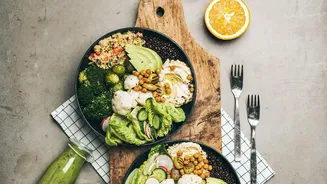
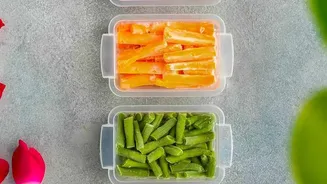
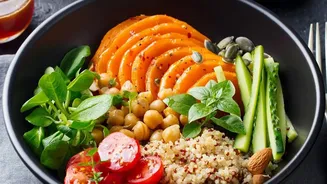
Creating a nutrient-dense meal prep bowl is simpler than you think. By preparing individual ingredients in advance, you can assemble a powerful recovery meal in minutes. The key is to include a balance of macronutrients. Think of it as a simple, four-part formula: a complex carb base, a powerful protein, colorful vegetables, and a flavorful finisher.
Step 1: Choose Your Grain Base
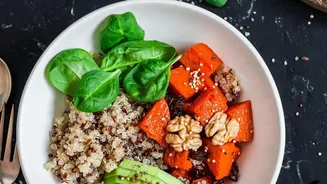
Start with a foundation of complex carbohydrates. These are essential for replenishing the glycogen stores your muscles used for fuel during your workout. Unlike simple carbs, these digest slowly, providing sustained energy. Excellent choices include quinoa, which is a complete protein source itself, along with brown rice, farro, or bulgur wheat. You can cook a large batch at the start of the week and store it in the fridge.
Step 2: Pack in Plant Protein
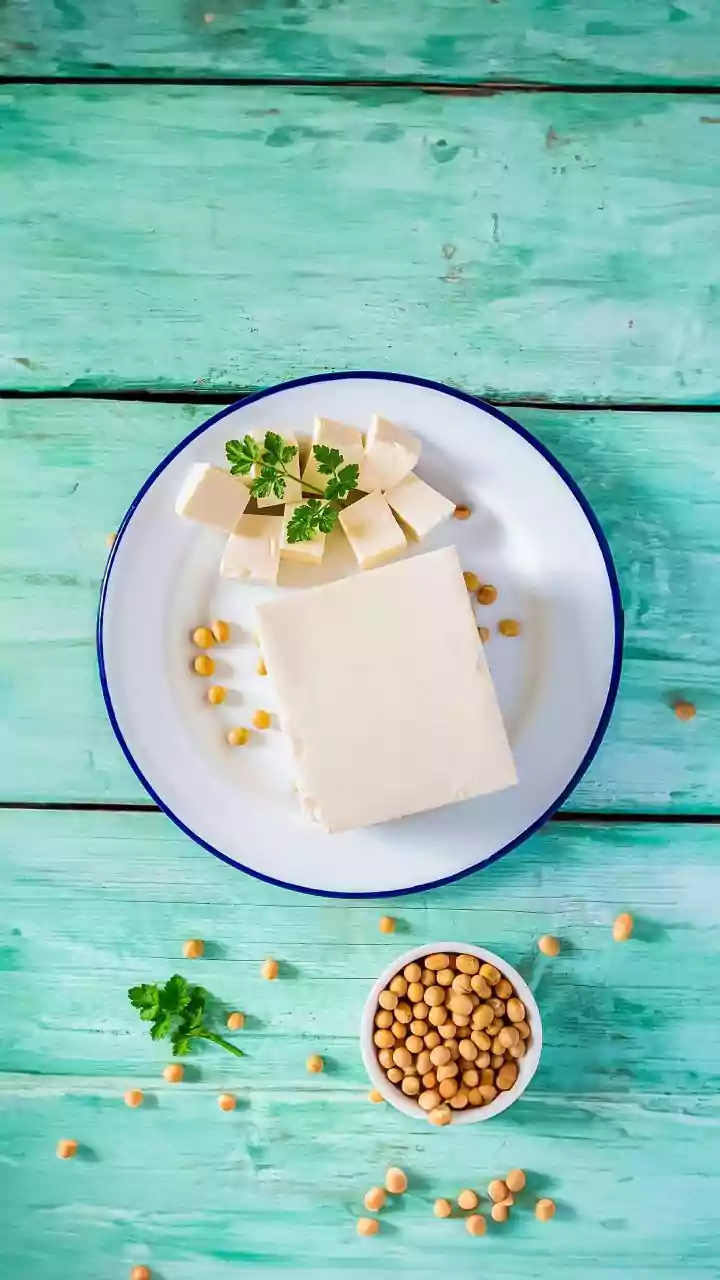
This is the core of your recovery bowl. Aim for variety to ensure you get a full spectrum of essential amino acids. Great options include chickpeas, black beans, and lentils, which are also high in fiber. Tofu, tempeh, and edamame are fantastic soy-based complete proteins that can be marinated and baked or pan-fried for extra flavor. A half-cup of firm tofu offers around 11 grams of protein, while tempeh provides over 16 grams in the same portion.
Step 3: Add Colorful Veggies and Healthy Fats
Load up your bowl with a variety of vegetables for a boost of vitamins, minerals, and those all-important antioxidants. Roasted broccoli, sautéed bell peppers, corn, and fresh spinach are all excellent additions. Don't forget healthy fats, which are crucial for nutrient absorption and overall health. A sprinkle of hemp seeds, chia seeds, or a handful of almonds can add texture, protein, and healthy fats. Sliced avocado is another creamy, nutrient-dense topping.
Step 4: Finish with Flavor
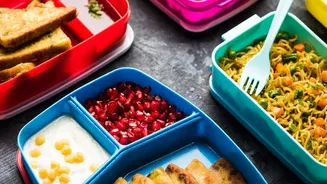
A delicious sauce ties everything together. A simple dressing of tahini, lemon juice, and water is a classic option. You can also try a peanut-lime dressing, a dollop of hummus, or your favorite salsa. Preparing a jar of your chosen sauce at the beginning of the week makes daily assembly even faster. By prepping each component separately, you can mix and match throughout the week to keep your lunches exciting and your recovery on track.