




The Allure of Natural Cleaning
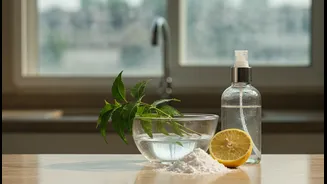
In recent years, many households have embraced natural cleaning solutions. The logic is appealing: using simple ingredients like vinegar, baking soda, and lemon juice feels safer for our families and better for the environment. These products reduce exposure
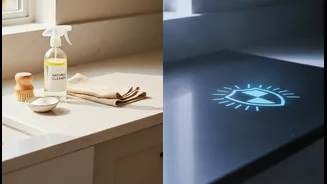
to harsh synthetic chemicals, which can cause respiratory irritation and other health issues, especially in poorly ventilated homes. For everyday tasks like wiping down a dusty shelf or cleaning a minor spill, natural cleaners are often a fantastic, eco-friendly choice. They get the job done without the overpowering fumes and long list of unpronounceable ingredients, offering peace of mind.
Monsoon's Hidden Health Threats
The monsoon season, however, changes the game entirely. The persistent dampness and high humidity create a perfect breeding ground for a host of unwelcome guests. Mould and fungi flourish on walls, in cupboards, and on damp clothes, releasing spores that can trigger allergies, asthma attacks, and respiratory infections. Bacteria thrive on constantly moist surfaces in kitchens and bathrooms. Furthermore, stagnant water becomes a nursery for mosquitoes spreading diseases like dengue and malaria, while contaminated water can bring illnesses like typhoid and gastroenteritis into our communities and homes. These aren't minor cleaning issues; they are significant health risks.
Reality Check: Cleaning vs. Disinfecting
This is where a crucial distinction comes in: the difference between cleaning and disinfecting. Cleaning, which is what most natural solutions do, is the process of physically removing dirt, grime, and some germs from surfaces. It's an important first step. Disinfecting, on the other hand, is about killing nearly 100% of germs, including harmful bacteria and viruses, using chemical agents. During the high-risk monsoon season, simply cleaning a surface might not be enough to eliminate the pathogens that cause serious illness. Sanitizing is a middle ground, reducing germs to a safe level, but disinfection is the most thorough process for killing pathogens.
Where Natural Cleaners Can Fall Short
While vinegar and tea tree oil have some antimicrobial properties, they are often not potent enough to qualify as effective disinfectants against the robust bacteria and viruses that become more prevalent during the monsoon. Studies show that while some natural products can be effective alternatives, they may require more effort and still not match the germ-killing power of registered chemical disinfectants, especially for deep cleaning needs. When someone in the house is sick, or when dealing with high-risk areas like a kitchen surface after handling raw meat or a bathroom affected by dampness, relying solely on a DIY natural spray can create a false sense of security.
When Disinfection Becomes Non-Negotiable
Knowing when to switch from cleaning to disinfecting is key to a healthy home during the rains. Proper disinfection is essential in several scenarios. High-traffic areas like doorknobs and light switches that are touched frequently should be disinfected regularly. Kitchens, especially counters, sinks, and chopping boards, require disinfection to prevent foodborne illnesses. Bathrooms are hotspots for mould and bacteria due to constant moisture and should be cleaned with a disinfectant. Any area that has been exposed to floodwater or shows signs of mould growth must be disinfected thoroughly to prevent health risks. Finally, if a family member is ill, disinfecting surfaces helps prevent the spread of infection to others.
Using Chemical Disinfectants Safely
Opting for a powerful disinfectant doesn't mean you have to fill your home with toxic fumes. Modern disinfectant cleaners are effective without some of the harsh ingredients of the past. The key is to use them responsibly. Always ensure good ventilation by opening windows and doors while cleaning. Wear gloves to protect your skin. Most importantly, read and follow the product label's instructions, especially regarding how long the disinfectant needs to sit on a surface—known as 'dwell time'—to work effectively. Never mix different cleaning chemicals, particularly bleach and ammonia, as this can create dangerous gases.