




The Hidden Dangers in Synthetic Colours
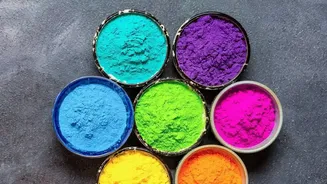
Traditional rangoli powders, while bright and easily available, can pose significant risks to pets. Many synthetic colours contain chemicals and artificial dyes that can be harmful if inhaled or ingested by a curious dog or cat. These powders can cause
skin irritation, respiratory problems, and digestive upset. Pets are particularly vulnerable because they explore the world with their noses and mouths, making it easy for them to accidentally consume or breathe in the fine particles. Some low-quality powders may even contain toxic heavy metals. This is why opting for natural, non-toxic alternatives is the safest way to include this beautiful art form in your celebrations without compromising the well-being of your animal companions.
A Floral Foundation: Pet-Safe Petals
Flower petals are a fantastic, safe, and beautiful base for any pet-friendly rangoli. They offer vibrant colours and wonderful textures without the risks associated with powders. Many common flowers are considered non-toxic to both cats and dogs. Good choices include the petals of roses, marigolds, sunflowers, gerbera daisies, asters, and zinnias. Roses provide lovely reds and pinks, while marigolds offer brilliant yellows and oranges. However, it's equally important to know which flowers to avoid. Lilies, for instance, are extremely toxic to cats. Other flowers to keep out of your design include chrysanthemums, daffodils, and tulips, which can cause digestive issues if eaten.
From Your Kitchen to Your Courtyard
Your kitchen pantry is a treasure trove of safe and natural colourants. Rice flour is a traditional and ideal choice for creating the white base of your rangoli. For a brilliant yellow, nothing beats turmeric powder. You can mix it with rice flour to help it spread more evenly. For reds and pinks, consider using dried and powdered beetroot or hibiscus petals. Ground red lentils (masoor dal) can also create a lovely red hue. For green, you can dry and grind spinach, mint, or coriander leaves. Brown tones can be achieved with coffee powder or cinnamon. Most of these spices, like turmeric and cinnamon, are safe for dogs in the small quantities used for rangoli. However, always avoid powders like onion, garlic, and cocoa, which are toxic to pets.
Go Dust-Free with Creative Alternatives
If you want to completely avoid the risk of your pet inhaling powders, there are several dust-free rangoli methods. One popular option is to use coloured rice. You can create this by mixing uncooked rice grains with a few drops of pet-safe food colouring and letting it dry completely. Another beautiful alternative is a 'wet' rangoli. This can be made by creating a paste from rice flour and water, which you can then use to draw your design. You can add natural colourants like turmeric to this paste as well. These methods are not only safer by eliminating airborne particles but also create a unique and textured look. You can also incorporate whole grains and seeds, like millet or flax, into your design for added dimension.
Tips for a Pet-Proof Masterpiece
Even with safe materials, it's wise to take a few extra precautions. Choose a location for your rangoli that is in a low-traffic area of your home to minimize the chances of it being disturbed. While creating your design, it's a good idea to keep your pets in another room or occupied with a toy to prevent them from walking through your work-in-progress. Once your rangoli is complete, supervise your pet around it, especially if they are particularly curious. Though the ingredients are non-toxic, it's best to discourage them from eating parts of your artwork. By combining safe materials with smart placement, you can ensure the festive decor remains a source of joy, not stress.