




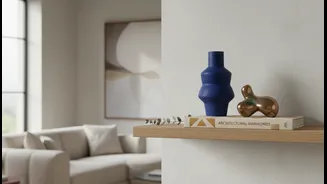


Step 1: Master the Art of Layered Lighting
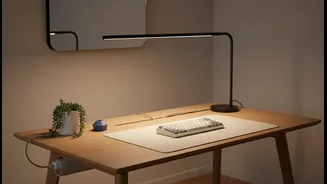
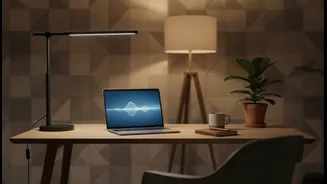
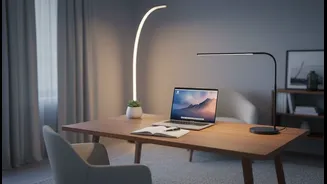
The single overhead fixture common in many rooms is often inadequate and creates harsh shadows. To truly brighten a dark workspace, think in layers. First, address ambient light. If natural light is scarce, a powerful, diffused ceiling light or a tall
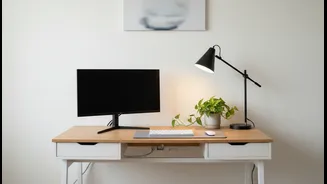
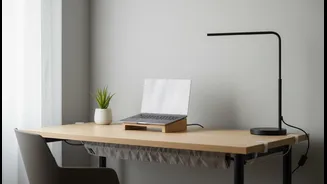
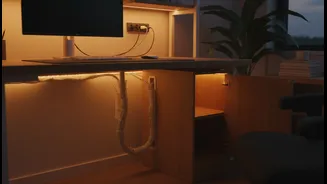
floor lamp can illuminate the entire room. The key on a budget is choosing energy-efficient LED bulbs with the right colour temperature—a 'daylight' bulb (around 5000K) can make a space feel brighter and more energising. Next, add task lighting. An adjustable desk lamp is non-negotiable for focused work, preventing eye strain. Look for slim, minimalist models that don't take up valuable desk space. Finally, consider accent lighting, which is surprisingly affordable. Self-adhesive LED light strips can be placed under shelves or behind your monitor to create a soft glow that reduces glare and adds depth, making the space feel larger and more dynamic.
Step 2: Use Reflection and Colour Strategically
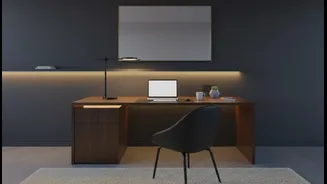
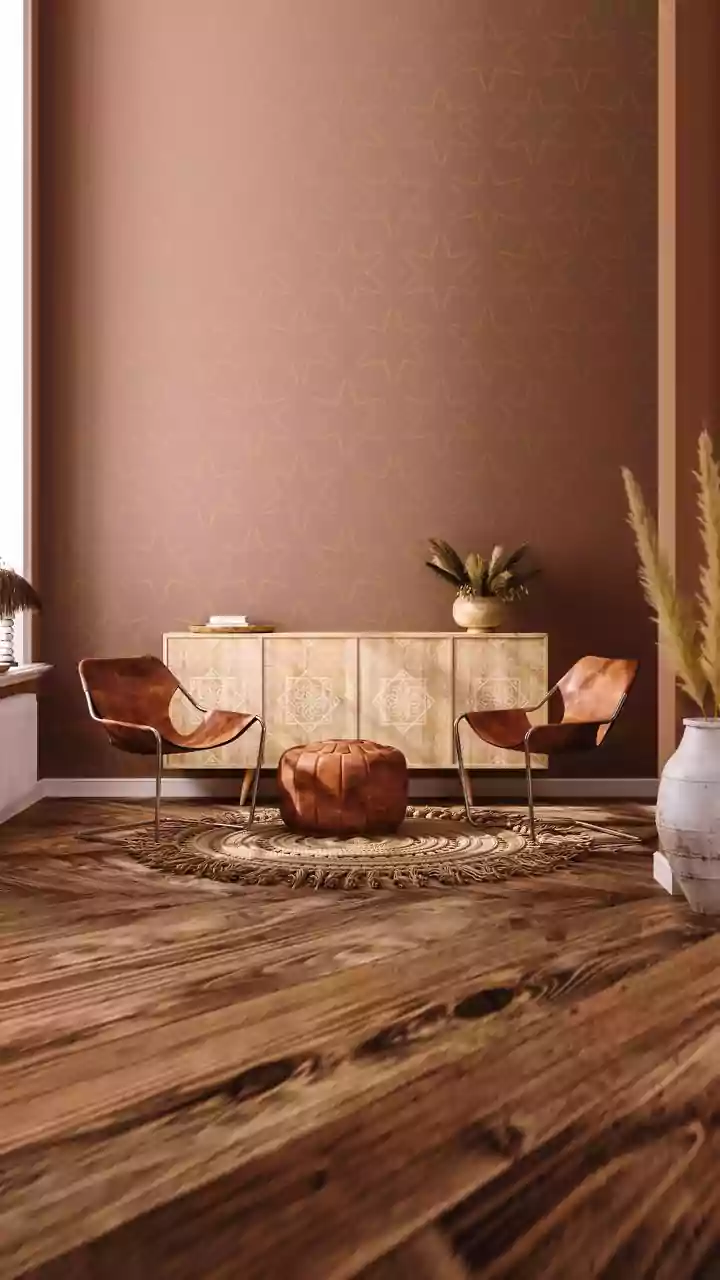
Mirrors are a classic interior design trick for a reason: they bounce light around a room, creating an illusion of depth and brightness. A large, simple-framed mirror placed on the wall opposite your main light source (whether a window or a lamp) can dramatically amplify its effect. You don't need an expensive, ornate piece; a basic, full-length mirror from a budget retailer can be a game-changer. Beyond mirrors, your choice of paint and decor is crucial. While stark white is an option, it can feel cold in a room with little natural light. Instead, consider off-whites with a slight warm undertone, very light greys, or soft pastel colours. The finish matters, too; an eggshell or satin finish will reflect more light than a flat matte. Keep the colour palette simple and neutral to adhere to minimalist principles and create a serene, uncluttered visual field.
Step 3: Declutter and Curate Functional Decor
Minimalism is fundamentally about keeping only the essentials, and this is the most budget-friendly step of all. A cluttered desk and floor make a space feel smaller and more chaotic. The first task is to ruthlessly declutter: digitize paperwork, discard unused items, and find a proper home for everything. A simple method is to remove everything from your desk and only put back what you use daily; everything else can be stored or discarded. Once you have a clean slate, invest in smart, vertical storage like floating shelves or a simple wall-mounted pegboard to get items off your desk. When it comes to decor, be intentional. Instead of numerous small trinkets, choose one or two items you love, like a single plant for a touch of nature or a favourite piece of simple art. This 'less is more' approach ensures every item has a purpose, contributing to a calm, focused, and visually lighter workspace.