


The Kitchen Science of Salt
The magic behind this trick is a process you might remember from school: osmosis. When you sprinkle salt on vegetables, you create a highly concentrated salty layer on their surface. Nature loves balance, so the water inside the vegetable cells, which
is less concentrated, moves out through the cell walls to try and dilute the salt on the outside. This process effectively pulls a surprising amount of water out of the vegetable. Unlike with meats where you might wait for a brine to be reabsorbed, with vegetables the goal is simply to get the excess water out before you start cooking or serving them raw.
Why This Changes Your Cooking Game
Removing this excess moisture has several fantastic benefits. Firstly, it concentrates the vegetable's natural flavour. With less water, what remains is pure, intense vegetable taste. Secondly, it drastically improves texture. For dishes where you want a good sear or browning, less water is your best friend. Water creates steam, which is the enemy of crispiness and browning because it prevents the pan from getting hot enough for that delicious Maillard reaction to occur. This is crucial for things like roasted potatoes or pan-fried brinjal (eggplant). Lastly, it prevents soggy dishes. For vegetables with high water content like lauki (bottle gourd), zucchini, or cucumber, drawing out moisture beforehand means your curries, gratins, or raitas won't end up swimming in a diluted, watery sauce.
Your Step-by-Step Guide to Salting
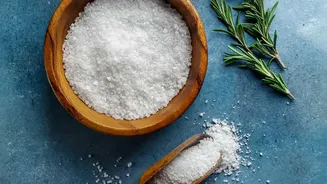
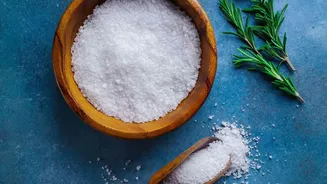
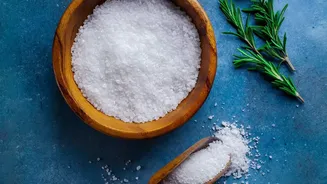
Using this technique, often called disgorging, is simple. First, chop, slice, or grate your vegetables as required by your recipe. Place them in a colander in the sink. Sprinkle them with salt—a good rule of thumb is about one teaspoon of kosher or coarse salt per pound of vegetables. Toss them well to ensure an even coating. Then, just wait. For most vegetables, 30 to 60 minutes is enough time to see little beads of water form and drip away. You will be surprised by the amount of liquid that collects underneath the colander. Before cooking, you can choose to either pat the vegetables dry with a clean cloth or paper towel, or give them a quick rinse under cold water to remove the excess salt, making sure to pat them very dry afterward.
Perfect for These Everyday Vegetables
This technique is a lifesaver for many vegetables common in Indian kitchens. For brinjal (eggplant), salting collapses its spongy air pockets, meaning it will absorb less oil when fried and won't be as greasy. Making a cucumber raita? Salting grated cucumber first prevents it from turning the yogurt into a watery mess. For cabbage used in coleslaw or other salads, pre-salting helps it stay crisp and less watery for longer. Watery vegetables like zucchini, tomato, and various gourds benefit immensely, especially when they are being used in baked dishes like tarts or pies, or even in a dry sabzi where you want to control the moisture level precisely. It also works to tenderise tougher greens like kale, making them pleasant to eat raw.
When to Skip the Salt Soak
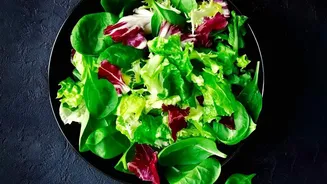
While powerful, this technique isn't for every situation. You should avoid salting vegetables in advance when you want to maintain their natural high water content and crispness for immediate eating, such as in a delicate green salad. Salting leafy greens too early will cause them to wilt and become soggy. Another key exception is mushrooms. Because they are so porous and lack the rigid cell structure of other vegetables, salting them early causes them to release all their water at once, leading to a rubbery, shrunken result. It is best to cook mushrooms until they start browning and then add salt towards the end of the cooking process. For dishes like a quick stir-fry where you want a crisp-tender texture, it is often better to cook over high heat and salt at the end.