The world of 'ancient grains' can seem intimidating, filled with unfamiliar names and complicated cooking instructions. But what if your entry point was a trusted, humble ingredient already sitting in many Indian kitchens? Enter ragi.
What Are 'Ancient Grains' Anyway?
First, let's demystify
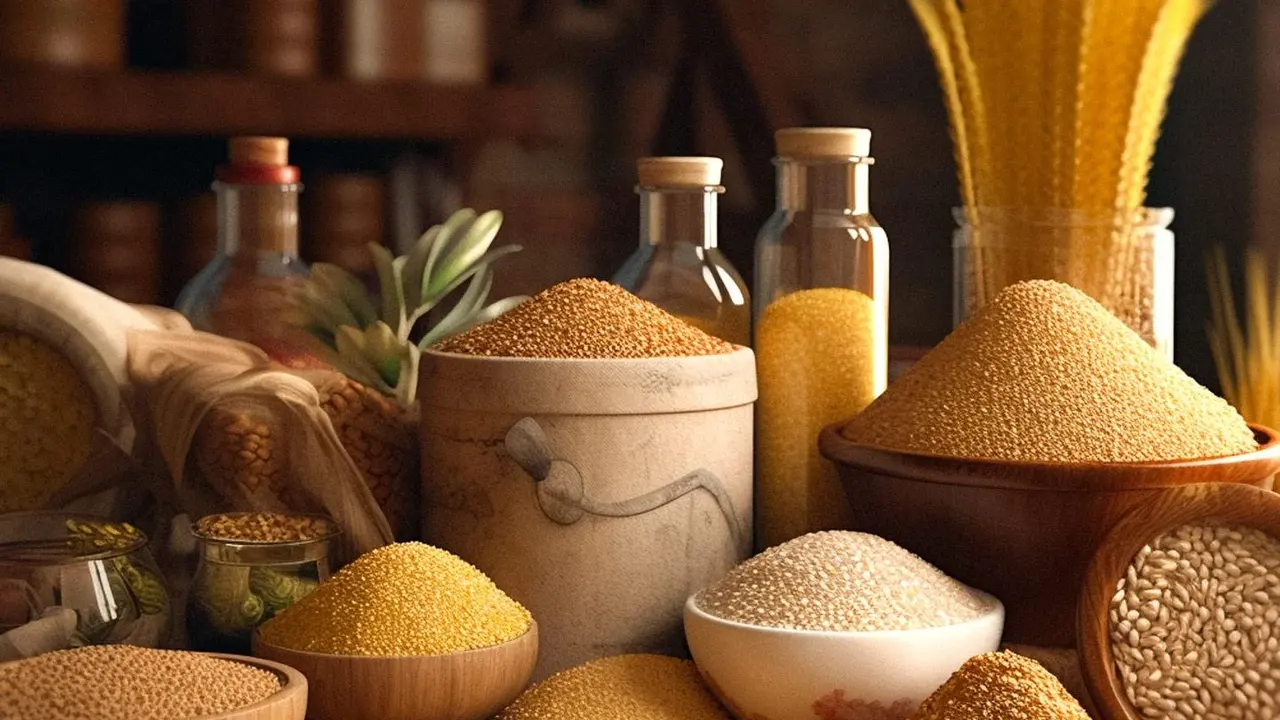
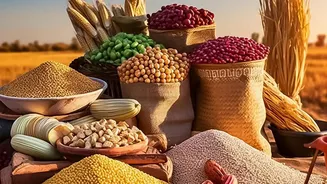
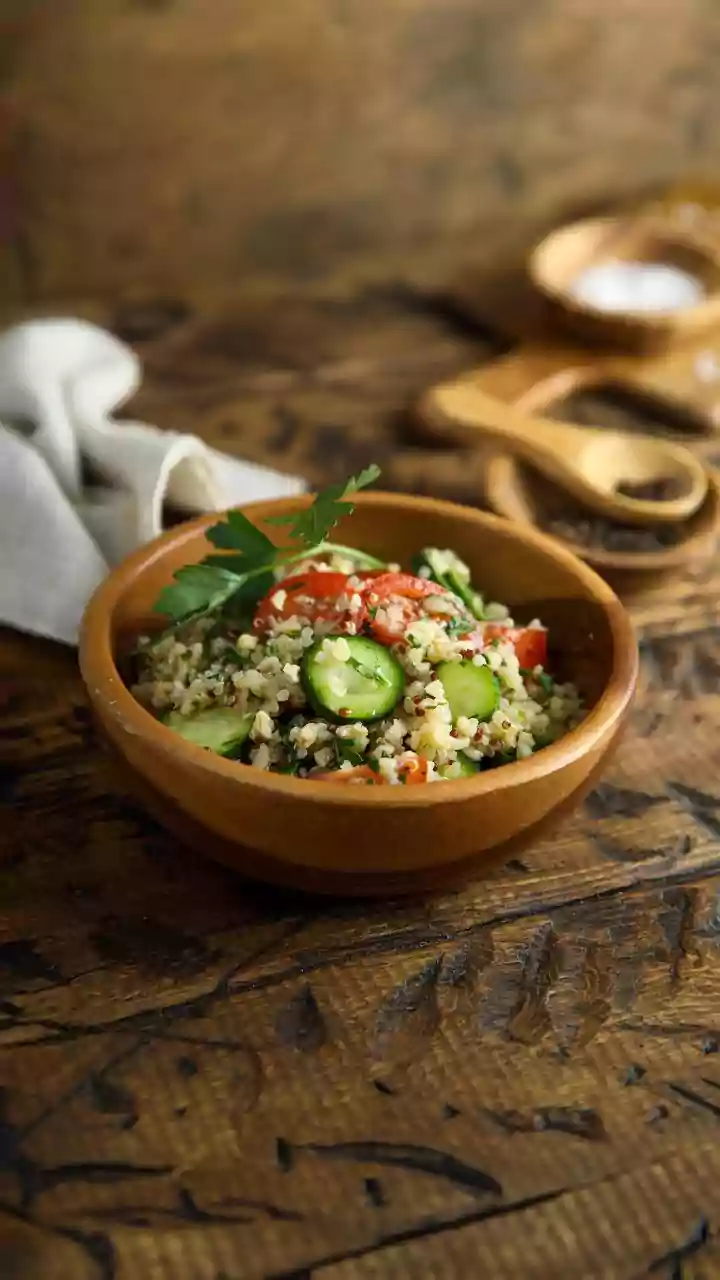
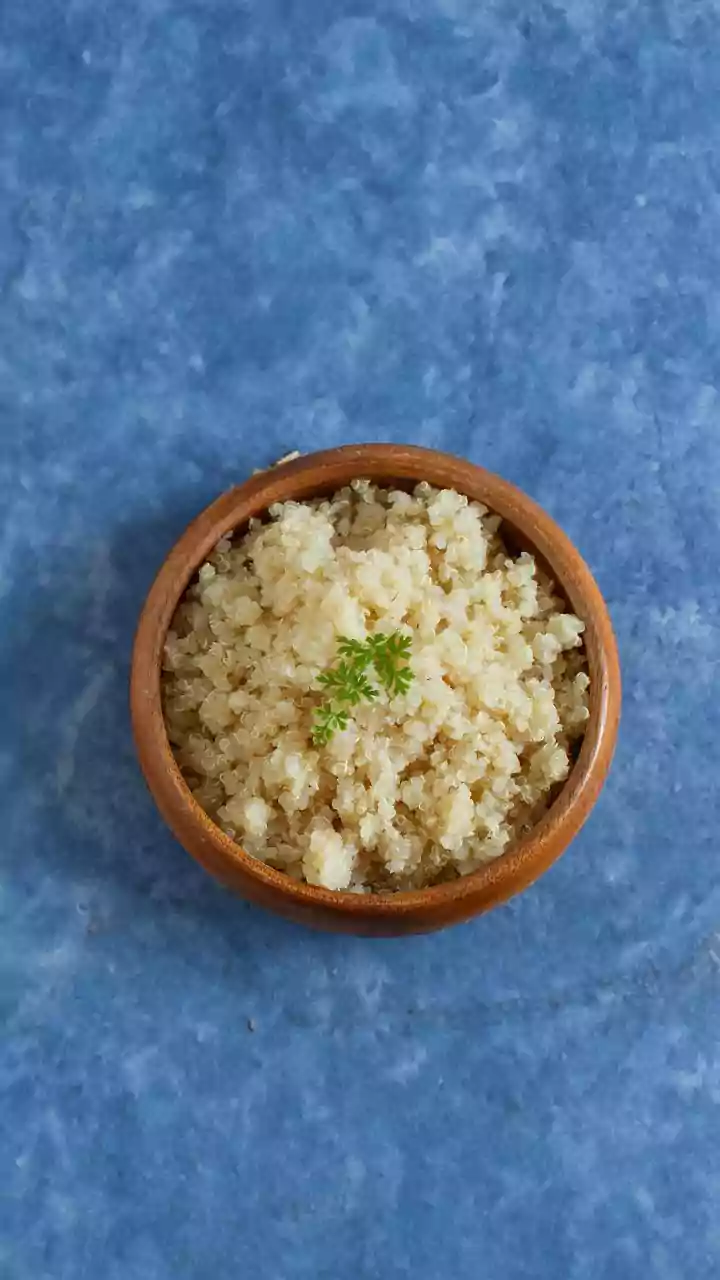
the term. 'Ancient grains' isn't a strict scientific classification. It's a popular name for a group of grains and seeds that have been cultivated the same way for centuries, without the intensive selective breeding that has created modern wheat or corn. Think of them as plants that have remained true to their origins. This category includes grains like quinoa, amaranth, spelt, and a wide variety of millets. In India, we have been consuming many of these for generations; they are only now being rediscovered for their incredible health benefits and rustic appeal. These grains are often celebrated for being more nutrient-dense and flavourful than their modern, highly processed counterparts.
Why Ragi Is the Perfect Starting Point
For anyone in India, ragi, or finger millet, is the ideal gateway to the world of ancient grains. Why? Because it’s familiar. You’ve likely heard of ragi malt or seen ragi rotis. This familiarity removes the intimidation factor. More importantly, ragi is a nutritional powerhouse. It is naturally gluten-free and packed with calcium, making it excellent for bone health. It's also a fantastic source of iron and dietary fibre. The high fibre content aids in digestion, promotes a feeling of fullness to help with weight management, and can help regulate blood sugar levels. Unlike some exotic grains that come with a hefty price tag, ragi is widely available and affordable across the country, making it an accessible choice for every household.
Simple Ways to Welcome Ragi to Your Plate
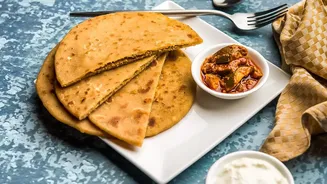
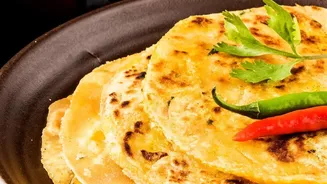
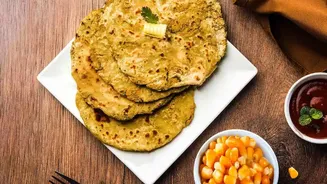
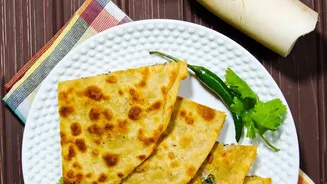
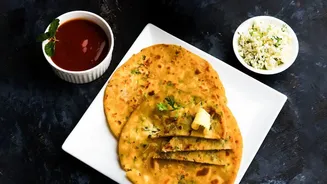
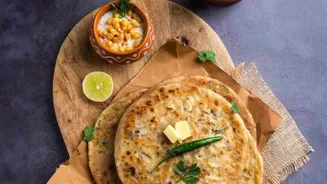
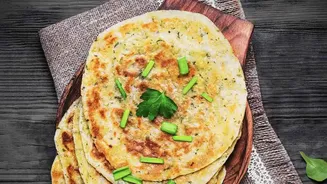
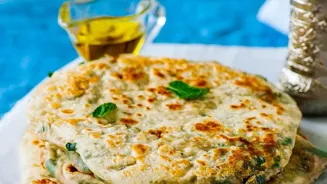
As a beginner, you don't need to master complex recipes. The easiest way to start is by incorporating ragi flour into foods you already make. Try swapping out a portion of your regular atta with ragi flour when making rotis or chapatis. Start with a 1:4 ratio of ragi to wheat flour and gradually increase it as you get used to the taste and texture. Ragi also makes wonderful, earthy-tasting pancakes or cheelas. Just mix ragi flour with water or buttermilk, add finely chopped onions, green chillies, and coriander, and cook like a regular pancake. Another simple trick is to add a tablespoon of ragi flour to your morning smoothie for a fibre and nutrient boost, or use it as a thickener for soups and gravies. These small additions make a big nutritional difference without requiring new cooking skills.
Tips for Cooking with Ragi Flour
Ragi has a distinct, somewhat dense character that is good to understand. Because it's gluten-free, it doesn't have the same binding properties as wheat flour. This is why mixing it with other flours is a great technique for beginners, especially for making breads or rotis, as it makes the dough easier to handle. The flavour of ragi is earthy and slightly nutty, which pairs well with jaggery, cardamom, and fruits like bananas. When making ragi malt or porridge, continuous stirring is key to prevent lumps and achieve a smooth consistency. Don't be afraid to experiment with flavours. Its robust taste stands up well to spices, making it suitable for both sweet and savoury dishes.
Beyond Ragi: Other Indian Grains to Try Next
Once you feel comfortable with ragi, the journey doesn't have to end. The Indian culinary landscape is rich with other ancient grains waiting to be explored. Jowar (sorghum) is a fantastic gluten-free grain that can be used to make soft rotis, or 'bhakri'. Bajra (pearl millet) is another popular choice, especially during winter months, known for its warming properties and used in flatbreads and khichdi. Then there's rajgira (amaranth), which is often used during fasting periods. Its tiny seeds can be popped like popcorn or used as a flour in laddoos and other sweets. Exploring these grains not only diversifies your diet but also connects you to a deeper, more traditional way of eating.