





Beyond the Pantry Car
For decades, mealtime on a train meant a choice between pantry car fare, station vendors, or whatever you packed from home. Today, that experience has been completely overhauled by digital meal planning. Indian Railways' eCatering service has created
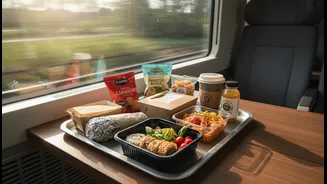
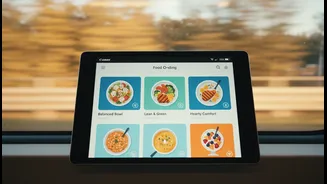
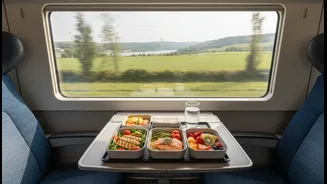
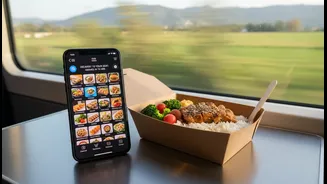
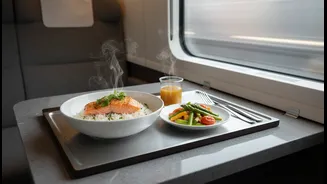
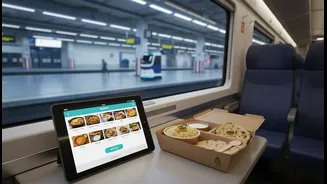
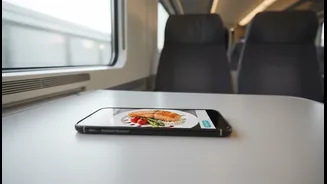
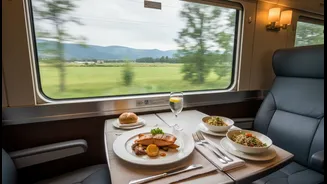
an entire ecosystem where passengers can order food from a wide array of restaurants and have it delivered directly to their seats. This isn't just a minor convenience; it represents a fundamental shift in passenger service. Using their PNR number, travellers can access a diverse menu through the official IRCTC eCatering app, 'Food on Track', or its website. This platform aggregates hundreds of FSSAI-approved restaurants across the country, offering everything from local thalis and biryanis to pizzas and Chinese food. The service has exploded in popularity, with daily meal bookings now a common practice for a large number of passengers. This digital shift caters to modern demands for choice, quality, and hygiene, moving far beyond the limited options of the past.
Your Meal at Your Station
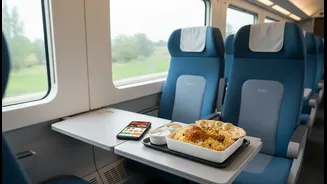
The magic of this new system lies in its logistics: station-specific delivery. Authorized partners like Zoop and Travelkhana have become key players, building networks of over 2,500 restaurants across more than 700 stations. These services have even integrated with WhatsApp, making ordering as simple as sending a message. Passengers can text their PNR number to a dedicated WhatsApp number, select a station for delivery, choose a restaurant, and place an order without ever leaving the chat app. The system is designed to be intelligent. By linking the order to the train's real-time running status via the PNR, delivery is synced with the train's actual arrival time, not just its schedule. This dynamic tracking minimizes the risk of missed deliveries if a train is delayed. Some platforms even offer a 'pay after delivery' feature to build trust. This level of personalization—getting a hot, fresh meal from a specific restaurant delivered to your seat at a designated station—was unimaginable just a few years ago.
The New Engines of Growth
This digital transformation in catering is closely linked to another powerful trend: the rising travel demand from India's Tier-2 and Tier-3 cities. As infrastructure like roads and rail connectivity improves, these smaller urban centers are becoming major hubs of economic activity and travel. Reports indicate that much of India's future growth in hospitality and travel is happening in these emerging cities, with roughly half of new hotel investments now focused there. Residents of cities like Lucknow, Surat, Coimbatore, and Jaipur are increasingly travelling for business and leisure. These travellers are digitally savvy and carry the same expectations for convenience and choice as their metro counterparts. For them, the railway is a vital lifeline, and services must evolve to meet their needs. The expansion of e-catering networks into non-metro stations is a direct response to this demographic shift. Platforms are specifically pushing to cover routes and stations that are crucial for connecting smaller cities, ensuring passengers there have the same access to modern amenities as those travelling between major metropolitan areas.
A More Connected Journey
Taken together, these trends paint a picture of a more responsive and user-centric Indian Railways. What started with online ticketing, which now accounts for nearly 88% of all reserved bookings, has expanded into a comprehensive digital passenger experience. From booking tickets and checking the live status of a train to ordering food and providing feedback, the entire journey is becoming more integrated and manageable through a smartphone. This digital layer does more than just add convenience; it helps make the system more efficient and equitable. A passenger boarding from a small town now has access to the same quality and variety of food as someone boarding from a major city. The ability to plan meals, track orders in real-time, and rely on a service that adapts to the train's schedule reflects a deeper commitment to passenger satisfaction. It signals a move away from a one-size-fits-all approach to a system that recognizes and caters to the individual needs of millions of diverse travellers across the country.