



The E-Bike's Biggest Hurdle
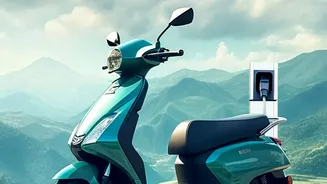
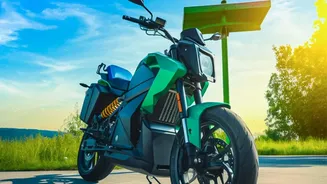
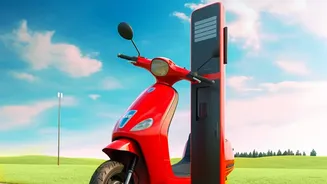
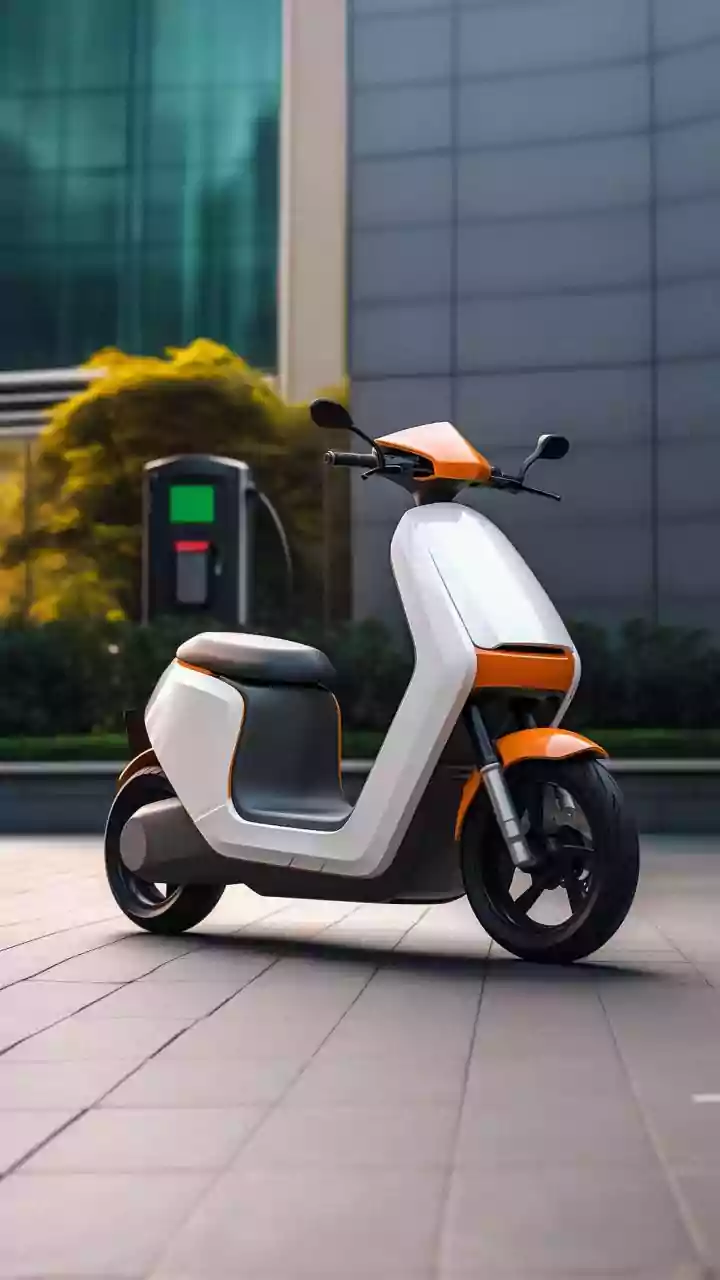
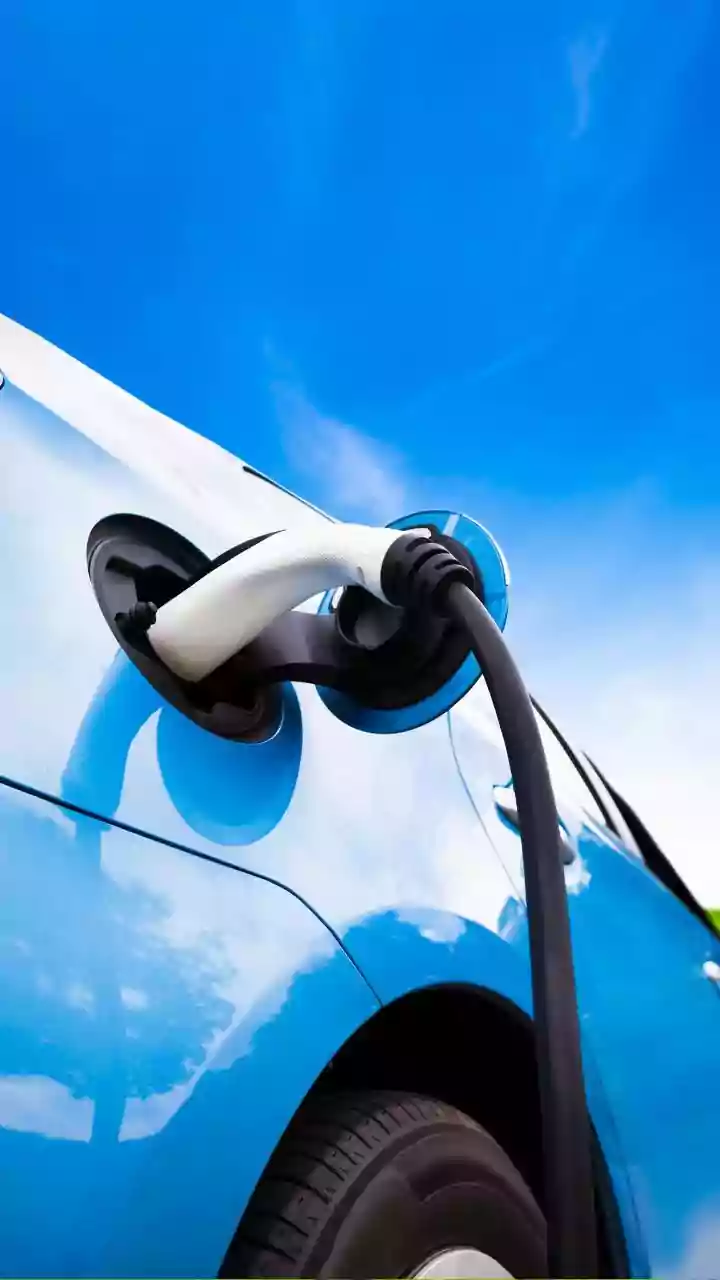
Electric bikes and scooters are rapidly becoming a common sight on Indian roads, offering a cleaner, quieter alternative to traditional petrol-powered vehicles. However, their widespread adoption faces a significant bottleneck: the battery. Conventional
lithium-ion batteries, the current industry standard, come with a list of drawbacks. They can be expensive, rely on mined materials like graphite and lithium which have environmental and supply chain costs, and possess safety risks, including a tendency to overheat. Furthermore, their charging times can be lengthy, a major inconvenience for daily commuters. These challenges have sent researchers on a global quest for a better, more sustainable alternative.
A Solution from the Fields
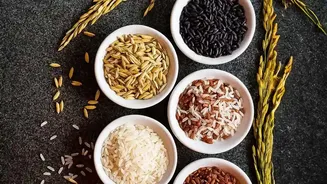
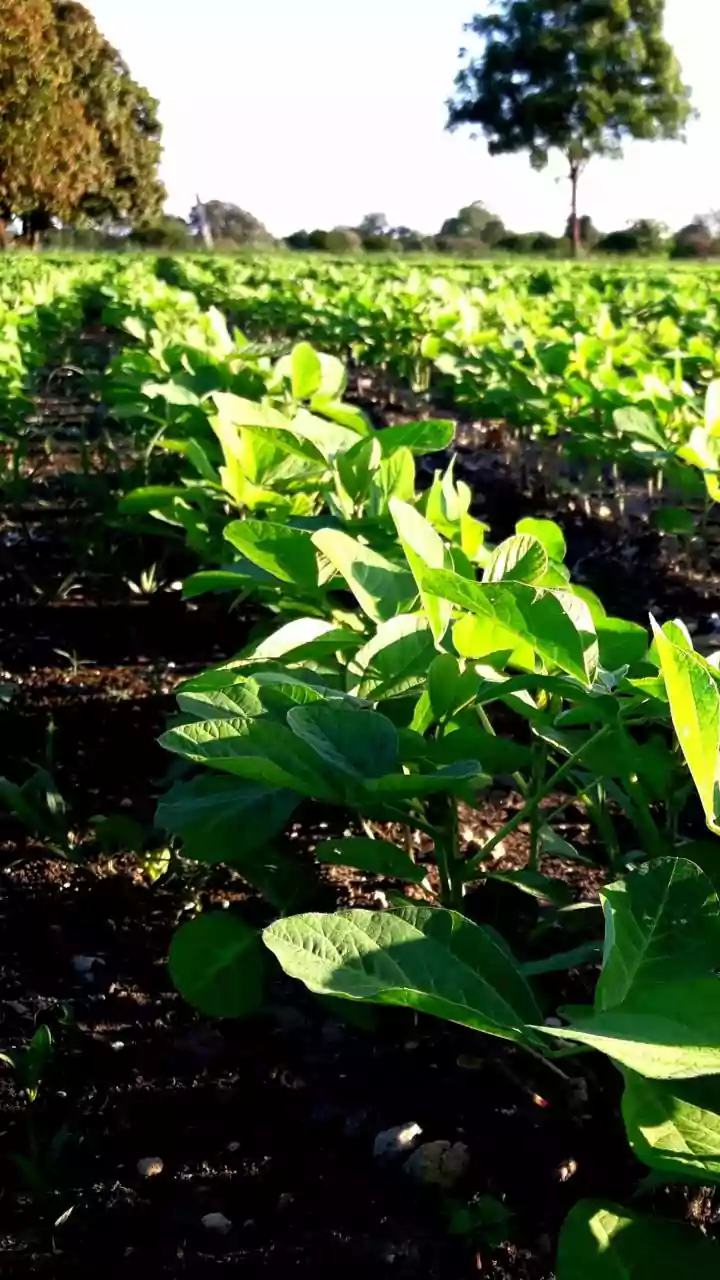
The answer, it turns out, might be growing in our fields. Researchers are now developing a groundbreaking process to convert agricultural leftovers—such as rice husks, sugarcane bagasse, corn stalks, and coconut shells—into a high-performance material for batteries. This innovation tackles two problems at once: it finds a valuable use for the millions of tonnes of agricultural residue generated annually, which is often burned, contributing to air pollution, and it creates a sustainable component for next-generation batteries. Indian startups, like the IIT-Roorkee incubated Indi Energy, are at the forefront of this technology, developing sodium-ion batteries that use this bio-waste.
From Farm Waste to Battery Anode
The magic lies in transforming this biomass into something called 'hard carbon'. The process typically involves pyrolysis, where the agricultural waste is heated to high temperatures in an environment without oxygen. This procedure burns off volatile materials and leaves behind a carbon-rich substance. This hard carbon is an ideal material for a battery's anode—the negative terminal that stores ions during charging. Unlike the highly ordered structure of graphite, the disordered and porous structure of hard carbon derived from biomass creates more space and pathways for ions to move and be stored. This unique structure is the key to its superior performance.
The Safety and Speed Advantage
This new-age anode material offers significant advantages in safety and speed. Batteries using hard carbon anodes, particularly sodium-ion batteries, are more stable at high temperatures. Research indicates they can tolerate heat up to 60 degrees Celsius, a significant improvement over the 40-degree limit for some lithium-ion counterparts, making them inherently safer and less prone to fire—a critical concern in India's hot climate. The porous architecture of the hard carbon also facilitates faster ion transport. This means the battery can be charged much more quickly. For instance, Odisha-based startup Nexus Power claims their batteries made from crop residue protein can be charged in as little as 10 minutes.
A Greener Future for Mobility
The environmental benefits are immense. By upcycling agricultural waste, this technology creates a circular economy, providing farmers with a potential new income stream for their crop residue. It reduces our dependence on mined materials like graphite, the production of which carries a significant environmental footprint. Lignin, a natural polymer found in plant waste, is a key ingredient in this process and is being recognized as a sustainable alternative to the synthetic chemicals and fossil-based materials used in traditional batteries. This shift towards bio-based components promises to make the entire lifecycle of an EV battery, from production to disposal, dramatically cleaner.
The Road to Mass Adoption
While the technology is incredibly promising, with some startups already creating prototypes and gaining recognition, the path to large-scale commercialization has its challenges. Perfecting the manufacturing process to be cost-effective, energy-efficient, and scalable is the next major hurdle. Researchers are continuously working to improve the efficiency and capacity of these bio-batteries to match or exceed the performance of their lithium-ion predecessors. However, the potential is undeniable. With India's vast agricultural output and booming EV market, batteries born from farm waste could become a cornerstone of the country's clean energy future, powering millions of e-bikes with a solution that is both technologically advanced and deeply rooted in the land.