


The Trend Lighting Up Your Feed
If you've scrolled through Instagram or TikTok lately, you might have seen them: mesmerising videos of a white, starchy paste being piped into intricate little shapes on a sheet, left to bake in the sun, and finally, plunged into hot oil where they explode
into crispy, white puffs. This is the sandige reel phenomenon. Food bloggers and home cooks across India are showcasing how they transform a common kitchen surplus—leftover cooked rice—into a beloved traditional snack. These short, satisfying videos are more than just food porn; they're a visual guide to a practice that is both deeply traditional and incredibly modern.
A Crunchy Link to the Past
Sandige, also known as vathal, vadam, or fryums, are a cornerstone of South Indian cuisine, but variations exist across the country. They are essentially sun-dried edibles, designed to preserve vegetables and starches for the lean months. For generations, summer holidays in many Indian homes meant mothers and grandmothers gathering on terraces, laying out sarees or plastic sheets, and spending days preparing a year's supply of these crunchy delights. Making rice sandige (or arisi vathal) was the ultimate act of culinary frugality. Not a single grain of rice was to be wasted. That leftover rice from a large family meal was seen not as a problem to be solved, but as the foundation for a future treat.
The Ultimate Zero-Waste Hack
The resurgence of sandige is perfectly timed for the growing zero-waste movement. While the term 'zero waste' might seem like a new, urban concept, the principles behind it—resourcefulness, respecting ingredients, and avoiding waste—have been embedded in Indian cooking for centuries. Turning leftover rice into sandige is a prime example. It prevents food from ending up in landfills, where it would decompose and release methane, a potent greenhouse gas. Instead of buying packaged snacks that contribute to plastic pollution, this practice allows you to create a delicious, preservative-free treat with something you already have. It’s a closed-loop system in your own kitchen, championed by our ancestors long before it became a hashtag.
How to Make Your Own Sandige
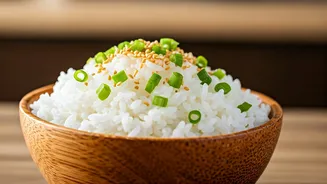
Intimidated? Don't be. The process is surprisingly simple, though it requires patience and a good bit of sunshine. Start with your leftover cooked rice (a cup or two is perfect for a small batch). Blend it into a smooth, thick paste, adding a tiny bit of water if needed. Mix in your flavourings—salt is essential, but you can also add cumin seeds, asafoetida (hing), or finely chopped green chillies for a kick. Transfer this paste into a piping bag, a thick Ziploc with a corner snipped off, or even a traditional murukku press. Pipe small, coin-sized dollops onto a clean plastic sheet or a greased plate. Now for the most important ingredient: sunlight. Leave the sheet out in the hot, direct sun for two to three days, or until the sandige are bone-dry, translucent, and peel off easily. Bring them inside at night to protect from dew.
From Sun-Kissed to Perfectly Puffed
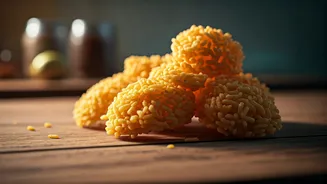
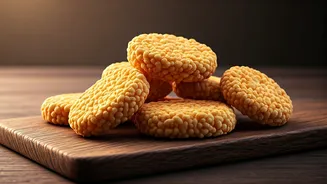
Once your sandige are completely dried, they can be stored in an airtight container for months. The magic happens when you're ready to eat them. Heat some oil in a kadai or pan until it's very hot. Drop a few sandige in, and watch in awe as they instantly puff up, triple in size, and turn a brilliant white. The transformation takes mere seconds. Scoop them out with a slotted spoon, let them drain on a paper towel, and enjoy. They are the perfect crunchy accompaniment to a simple meal of dal and rice, a satisfying tea-time snack, or just something to munch on while you contemplate your culinary genius.