





The Basics: What a Weaker Rupee Really Means
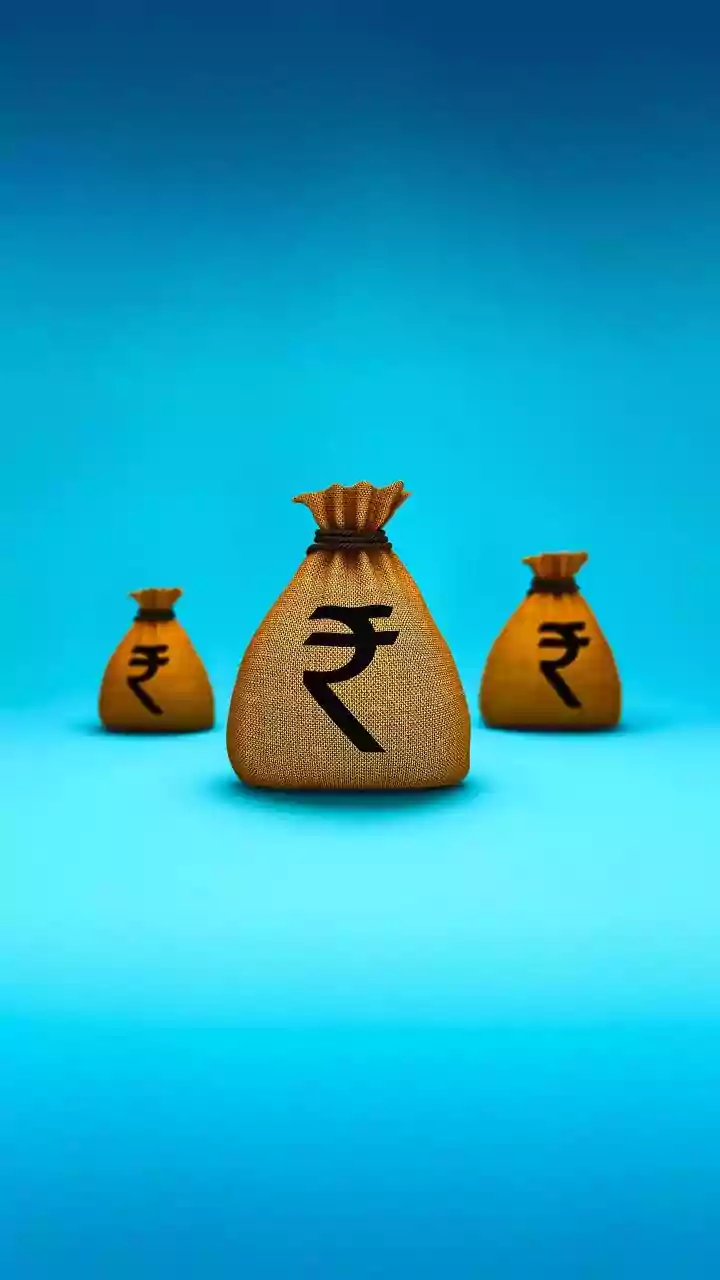
When you hear that the Rupee has 'weakened' or 'depreciated' against the US Dollar, it simply means you need more Rupees to buy one dollar. For instance, if the rate moves from ₹85 to ₹95 per dollar, your purchasing power abroad effectively shrinks. That
trip to the US or Europe you budgeted for a few months ago could now cost 10-20% more in Rupee terms, even if the prices in dollars or euros haven't changed at all. This currency fluctuation affects every part of your spending, from the moment you book your ticket to the last souvenir you buy.
Your Flight Ticket: The First and Biggest Hit
International flight tickets are often priced in US Dollars or other major foreign currencies behind the scenes. Even if you pay in Rupees on an Indian website, the final amount is calculated based on the prevailing exchange rate. A depreciating Rupee means the base fare in dollars translates to a higher cost in your bank account. A 10% slide in the Rupee's value can lead to a significant jump in airfare, sometimes making it the single largest unforeseen expense. This is why a trip that seemed affordable can quickly feel out of budget before you've even packed your bags.
Hotels, Food, and Daily Expenses
Once you land, the impact continues. Your hotel bill, pre-booked or paid at the counter, will cost more in Rupees if the currency has weakened since you planned your budget. The same applies to every meal, taxi ride, and museum ticket. A coffee that costs €5 is more expensive when the Rupee is weak against the Euro. Over a week-long trip, these small increases add up. A family that budgeted ₹5,00,000 for a US trip might find their costs swelling by ₹30,000 or more just due to currency movements. Destinations with currencies pegged to the US dollar, like the UAE, or those with strong currencies like the UK and Eurozone nations, feel the pinch the most.
The Student and Shopper Dilemma
The effect of a weaker Rupee extends beyond tourism. For Indian students studying abroad, it means tuition fees and living expenses become more expensive, putting a strain on education loans and family budgets. For travellers looking forward to shopping, a weaker Rupee diminishes the appeal of buying foreign brands. That designer bag or latest gadget will require you to shell out more Rupees than you might have anticipated, eroding potential savings. Every international transaction on your Indian credit or debit card also attracts a forex markup fee, which can be around 2.5% to 3.5%, adding another layer of cost.
Smart Strategies to Soften the Blow
While you can't control global currency markets, you can make smarter choices. Consider travelling to countries where the Rupee holds its value or has a more favourable exchange rate, such as Vietnam or destinations in Eastern Europe. Booking flights and hotels well in advance can sometimes lock in costs before further depreciation occurs. Using a multi-currency forex card is often more economical than using a regular credit or debit card, as it can offer better exchange rates and lower transaction fees. When paying by card abroad, always choose to be charged in the local currency, not Indian Rupees, to avoid high 'Dynamic Currency Conversion' (DCC) fees.