




The quest for a long and healthy life is ancient, but new research suggests a surprising key may lie in our diet: protein. Could eating less of this essential macronutrient actually slow down ageing? Let’s dive into the fascinating science.
The Big Idea: Less Protein, More Life?
For decades,
calorie restriction has been the most robustly studied dietary intervention for extending lifespan in laboratory animals like yeast, worms, and mice. However, sticking to a significantly lower-calorie diet is challenging for most humans. This has led scientists to ask a different question: what if it’s not just the number of calories that matters, but where they come from? A growing body of evidence from animal studies suggests that restricting protein, even without reducing overall calories, can offer similar benefits for health and longevity. A recent major review of over 350 studies found compelling evidence that lower protein intake could slow biological ageing and improve metabolic health across various organisms. This has sparked intense interest in understanding exactly how this process works.
Your Body's Internal Nutrient Radar
At the heart of this research are 'nutrient-sensing pathways'. Think of these as a sophisticated radar system inside your cells, constantly monitoring the availability of nutrients like glucose and amino acids (the building blocks of protein). This system tells your body when to be in 'growth and storage' mode versus 'repair and maintenance' mode. When nutrients are abundant, especially certain amino acids from protein, these pathways signal cells to grow, divide, and build. When nutrients are scarcer, the pathways shift gears, activating cellular clean-up processes like autophagy, where damaged parts of the cell are recycled. It is this switch to repair and maintenance that scientists believe is linked to healthier ageing.
Meet the Key Players: mTOR and IGF-1
Two of the most important nutrient-sensing pathways are known as mTOR (mechanistic target of rapamycin) and the Insulin/IGF-1 pathway. High levels of amino acids, particularly, activate mTOR, which acts as a master growth switch. Persistent activation of mTOR is one of the most well-documented accelerators of ageing in model organisms because it suppresses those crucial cellular repair functions. Similarly, the IGF-1 pathway signals for growth and storage. By restricting protein, especially specific amino acids, the activity of these 'pro-growth' pathways is reduced. This dampening effect is thought to allow the body to enter a more protective state, enhancing stress resistance and promoting longevity.
It's About Specific Amino Acids, Too
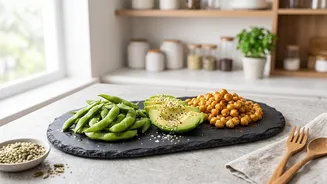
The research is becoming even more specific, suggesting it might not be about all protein, but about particular amino acids. Methionine, an essential amino acid found in high quantities in animal proteins like meat and eggs, is a primary focus. Restricting just methionine has been shown to mimic many of the lifespan-extending effects of broader dietary restriction in animal studies. Other amino acids, like isoleucine and valine, are also being investigated. This suggests that the type of protein we eat could be just as important as the total amount. Diets higher in plant-based proteins, which tend to have a different amino acid profile, have been associated with lower mortality in some large observational studies.
A Word of Caution: The Protein Paradox
Before you clear your pantry of all protein, it's crucial to understand the other side of the story. While protein restriction shows promise in mid-life, the rules can change as we age. For older adults, adequate protein intake is critical for maintaining muscle mass and strength, a condition known as sarcopenia. Losing muscle can lead to frailty, falls, and a loss of independence. For this reason, many experts recommend that adults over 65 actually consume more protein to combat age-related muscle loss. Therefore, the idea of protein restriction is not a one-size-fits-all solution and must be balanced against the very real risks of protein deficiency, especially in the elderly, the frail, or those who are physically active.