



Start with the Right Plants
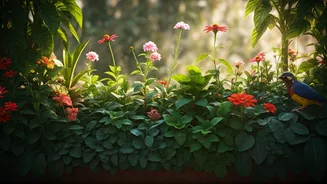
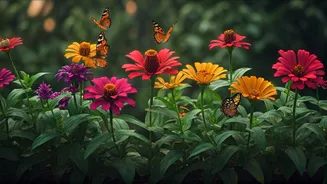
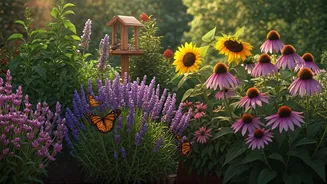
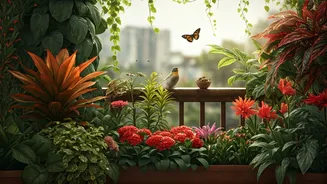
Plants are the foundation of any ecosystem, big or small. To attract wildlife, you need to provide food and shelter. Focus on native flowering plants that local birds and insects have co-evolved with. Bright, nectar-rich flowers are a magnet for sunbirds,
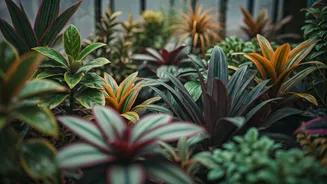
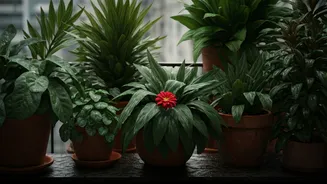
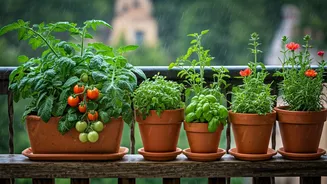
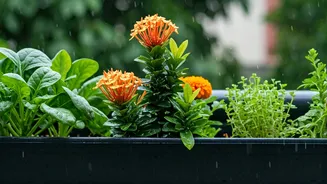
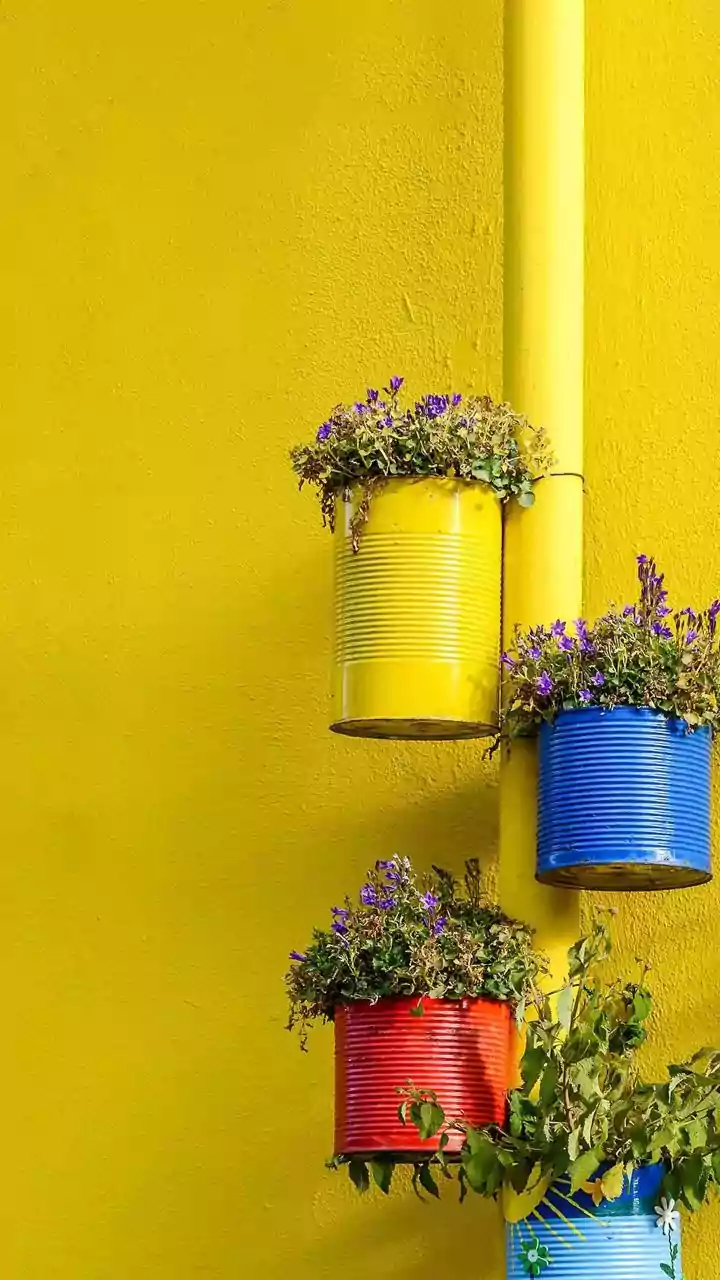
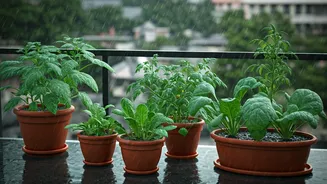
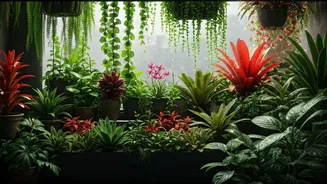
bees, and butterflies. Consider plants like hibiscus, marigold, lantana, and pentas, which are hardy and thrive in pots. Aromatic herbs and plants like curry leaves (meetha neem) or basil (tulsi) not only add to your kitchen supplies but also attract a variety of small insects, which in turn become food for birds. For a multi-layered habitat, include a mix of flowering shrubs, a small fruiting plant if space allows, and perhaps a climber like the passion flower (krishna kamal), which provides beautiful blooms and dense foliage for shelter.
Just Add Water
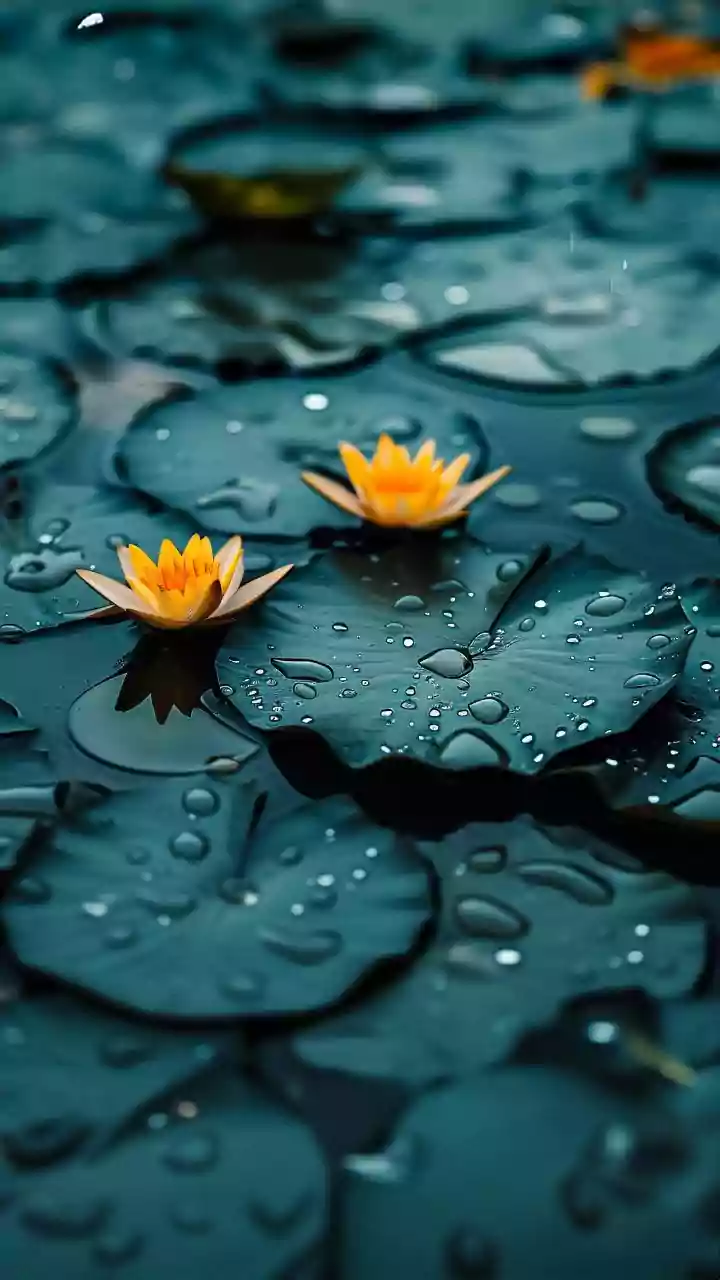
A reliable source of fresh water is often the single most effective way to attract birds to your balcony. In a bustling city, finding a clean puddle to drink from or bathe in can be a challenge for birds. You don't need a fancy fountain; a simple, shallow vessel is perfect. An earthen bowl (a wide clay diya or a terracotta saucer) is an excellent choice as it keeps the water cool and provides a non-slip surface for birds to grip. Place it in a semi-shaded spot where birds will feel safe from predators. Remember to change the water daily to keep it fresh and prevent mosquitoes from breeding. Within days, you might be rewarded with the sight of sparrows, mynas, or bulbuls stopping by for a quick splash and a drink.
Offer Food, but Thoughtfully
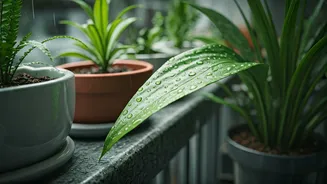
While plants provide the best natural food source, you can supplement it with a bird feeder, especially during the lean days of heavy rain. However, this comes with responsibility. Avoid simply throwing scraps onto the floor, as this can attract rodents and larger, more dominant birds like pigeons, which can scare away smaller species. Instead, use a dedicated bird feeder. Fill it with a high-quality mix of grains like millet (bajra) and sunflower seeds to attract sparrows, finches, and munias. Place the feeder in a location that is visible to you but offers the birds a quick escape route into a nearby plant or tree. Most importantly, clean the feeder regularly to prevent the spread of disease.
Create Shelter and Perches
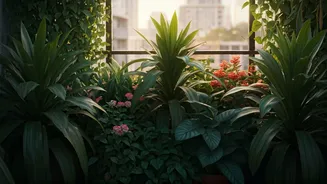
Wildlife needs to feel safe to visit your balcony. Dense foliage from your potted plants is the best form of natural shelter. Arrange your pots to create clustered, leafy corners where small birds can hide, rest, and preen their feathers away from the prying eyes of crows or cats. You can also add simple perches. A strategically placed bamboo stick lodged between two pots or a small, dead branch placed inside a large planter can serve as a perfect lookout spot or a place to rest after a bath. This mimics a natural environment and gives birds a sense of security, encouraging them to stay longer.
Ditch the Chemicals
This is non-negotiable. If you want to create a sanctuary, you must ensure it is safe. Pesticides and chemical fertilisers are toxic to birds, bees, butterflies, and other beneficial insects. A single spray can undo all your hard work, poisoning the very creatures you wish to attract. Embrace organic gardening methods. For pests like aphids, a simple soap-water solution or a spray of neem oil works wonders without causing collateral damage. Use natural fertilisers like compost or vermicompost to nourish your plants. A chemical-free balcony is a healthy balcony, creating a truly safe and welcoming space for wildlife to flourish.