



The Heart of the Mediterranean Plate
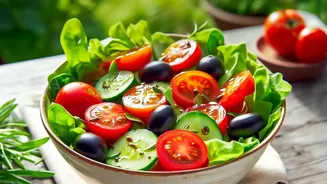
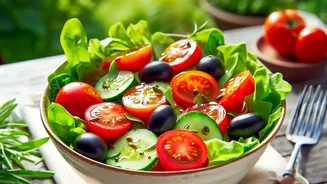
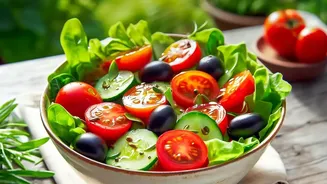
Known in Greece as 'Horiatiki', or village salad, a classic cucumber and tomato salad is celebrated for its simplicity and reliance on fresh, seasonal produce. This combination isn't about complex techniques; it's a farmer's meal, born from what was available
and refreshing during hot summer months. The core idea is to let the natural flavours of sun-ripened tomatoes and crisp cucumbers shine, enhanced by little more than good olive oil, herbs, and perhaps some red onion and feta cheese. This approach captures the essence of the Mediterranean diet: using whole, minimally processed ingredients to create dishes that are both delicious and nourishing.
A Nutritional Powerhouse
Together, cucumbers and tomatoes offer a wealth of health benefits. Tomatoes are famously rich in lycopene, a powerful antioxidant responsible for their red colour, which is linked to reduced risks of heart disease and certain cancers. They also provide significant amounts of vitamins C and A. Cucumbers, which are about 95% water, are incredibly hydrating and a great source of vitamin K, important for bone health. This low-calorie, high-fibre combination helps with weight management by making you feel full and supports overall health by providing anti-inflammatory compounds.
Myth-Busting: A Bad Combination?
You may have heard a popular myth that cucumbers and tomatoes should not be eaten together. The claims usually suggest that their different digestion times cause bloating or that an enzyme in cucumber destroys the vitamin C in tomatoes. However, there is little scientific evidence to support these concerns for most people. While cucumber does contain an enzyme that can break down vitamin C, this effect is not significant in the context of normal digestion, as stomach acid largely deactivates it. For the vast majority of people, this combination is perfectly healthy and a staple of one of the world's most celebrated diets.
Choosing the Best Varieties
The quality of your salad depends entirely on the quality of your ingredients. For tomatoes, look for ripe, firm, and fragrant options. Varieties like Roma or plum tomatoes are great because they are meaty and have fewer seeds, which prevents the salad from becoming watery. Heirloom and Campari tomatoes offer wonderful sweetness and depth of flavour. For cucumbers, English or Persian varieties are often recommended. They have thin, edible skin and very few seeds, which means they are less bitter and have a crisp, refreshing crunch without the need for peeling.
Preparation for Peak Flavour
How you prepare the vegetables makes a big difference. To avoid a soggy salad, some chefs recommend scooping the seeds out of both the cucumbers and tomatoes. For cucumbers, peeling is optional, especially with thin-skinned varieties like English or Persian cucumbers. Slicing the red onion thinly helps it add flavour without overpowering every bite. A classic Mediterranean dressing is simple: high-quality extra virgin olive oil, a splash of red wine vinegar, and a sprinkle of dried oregano. Dressing the salad just before serving ensures the vegetables stay crisp and vibrant.
Building a Complete Salad
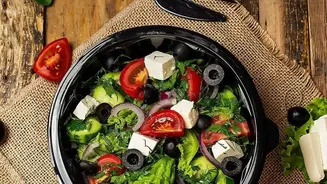
While cucumber and tomato are the stars, other ingredients complete the classic Mediterranean salad. Thinly sliced red onion adds a pungent bite, while Kalamata olives provide a briny, savoury element. A generous block of feta cheese, traditionally made from sheep's milk, adds a creamy, tangy richness. Fresh herbs like parsley, dill, or oregano are essential for a bright, fresh taste. For a more substantial meal, consider adding chickpeas, grilled chicken, or avocado to turn this classic side into a balanced main course.