

Setting the Stage for a Sensory Journey
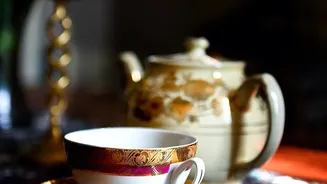
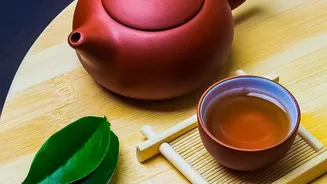
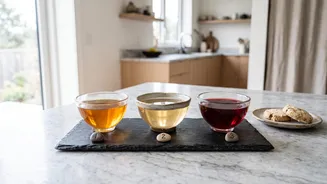
A tea tasting is much simpler to organize than it sounds. The goal is to compare a few different teas side-by-side, noticing the differences in aroma, colour, and taste. You don't need much: a kettle, small matching cups to ensure a fair comparison, the teas themselves,
and perhaps some simple note cards for guests who want to jot down their thoughts. Plan to taste between three and five teas, moving from the most delicate to the most robust flavours to avoid overwhelming the palate. This progression allows each tea's unique character to shine. The atmosphere should be relaxed, encouraging conversation and shared discovery.
Understanding the Six Tea Families
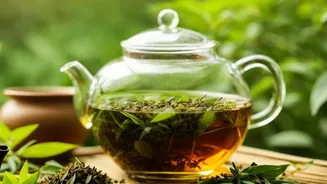
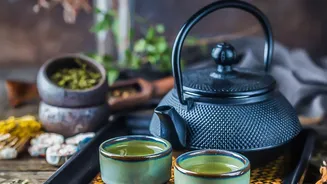
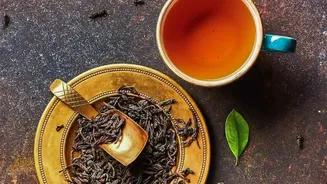
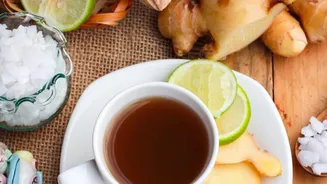
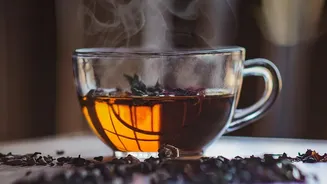
All 'true' teas originate from a single plant, Camellia sinensis. The incredible diversity in flavour comes from how the leaves are processed. Knowing the main categories is the first step to building a balanced tasting menu. White tea is the least processed, offering delicate, subtle, and often floral notes. Green tea is unoxidized, which preserves its fresh, vegetal, or grassy character. Oolong tea is partially oxidized and represents a vast spectrum, from light and floral to dark and roasted. Black tea is fully oxidized, resulting in bold, malty, and robust flavours. Pu-erh is a fermented tea, prized for its deep, earthy, and complex profile. Finally, herbal tisanes are not technically teas but infusions of herbs, flowers, or fruits, and they are naturally caffeine-free.
Curating for Every Guest's Palate
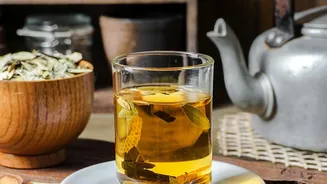
The key to a successful tasting is variety. Think about your guests' existing tastes. For the coffee lover who enjoys bold flavours, a malty Assam black tea is a perfect gateway. For someone who prefers lighter, more refreshing drinks, a Japanese Sencha green tea with its grassy notes or a delicate Silver Needle white tea will be a revelation. If you have an adventurous guest, an earthy Pu-erh or a complex, smoky Oolong can be an exciting discovery. And for those who avoid caffeine or enjoy soothing flavours, a classic peppermint, calming chamomile, or a fruity rooibos blend is essential. Offering a familiar option like Earl Grey provides a comfortable starting point for less experienced tea drinkers.
The Art of Brewing and Presentation
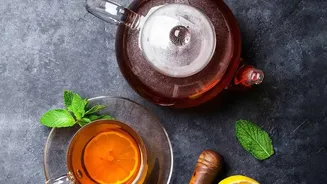
How you brew the tea is just as important as the tea itself. Using the correct water temperature and steeping time is crucial for extracting the best flavour. Delicate teas like white and green varieties require cooler water (around 70-80°C) to prevent bitterness, while black and herbal teas can handle boiling water (95-100°C). A general rule is to steep for 1-3 minutes for green tea, 3-5 minutes for black tea, and 5 minutes or more for herbal infusions. Before guests arrive, arrange your cups and label each tea. When it's time to taste, you can pass around the dry leaves for guests to smell, which adds another sensory layer to the experience. Pouring the brewed tea into white or light-coloured cups helps everyone appreciate the different hues of the liquor.
Perfect Pairings to Complement the Sips
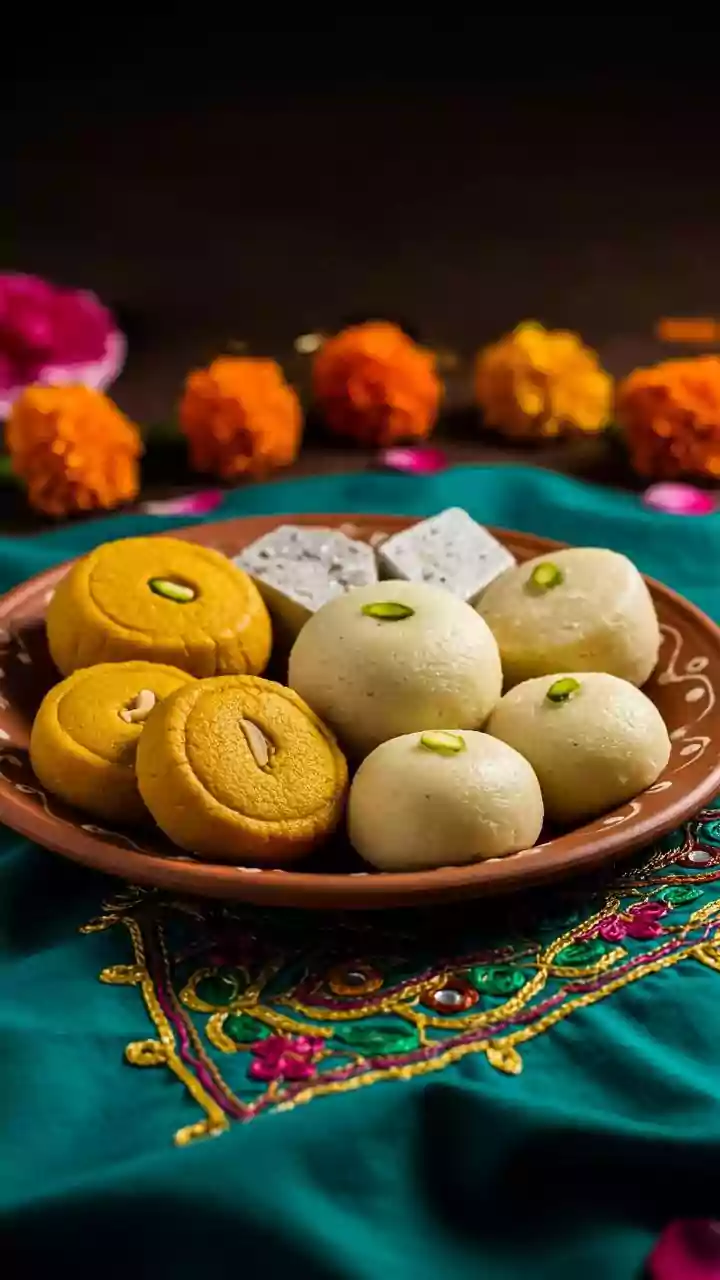
While tea is the star, simple food pairings can elevate the experience. The principle is to match intensity: delicate teas with light foods, and robust teas with richer fare. Neutral-flavoured snacks like plain crackers or simple butter biscuits work well throughout the tasting as they cleanse the palate without interfering with the tea's flavour. For specific pairings, consider serving light salads or white fish with white tea. Green tea's vegetal notes complement seafood or even a simple finger sandwich with cucumber. Hearty black teas can stand up to richer foods like chocolate desserts or roasted meats. Herbal teas are versatile and pair wonderfully with cakes and scones.