




The Shift from Carbs to Consciousness
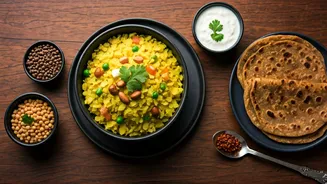
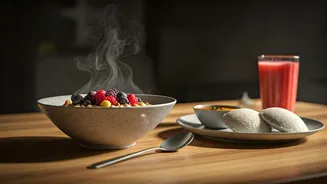
For generations, Indian mornings have been fuelled by delicious, comforting, and often carb-dominant breakfasts. Think fluffy idlis, crisp dosas, hearty parathas, and savoury poha. While these dishes are culinary treasures, a growing wave of health-consciousness,
particularly in urban India, is prompting a rethink. The post-breakfast slump, that familiar feeling of lethargy an hour or two after a carbohydrate-rich meal, has many searching for a more sustainable source of energy. This isn't about abandoning tradition, but rather augmenting it with a deeper understanding of nutrition. The modern goal is to start the day not just with a full stomach, but with fuel that lasts, and protein is proving to be the answer.
Why Protein Is the Morning MVP
So, what’s the big deal with protein in the morning? The science is compelling and surprisingly simple. Firstly, protein is the king of satiety. It keeps you feeling full and satisfied for longer than carbohydrates or fats, which helps curb mid-morning cravings for unhealthy snacks. Secondly, it plays a crucial role in stabilising blood sugar levels. A high-carb meal can cause a rapid spike and subsequent crash in blood sugar, leading to energy dips and brain fog. A protein-rich breakfast provides a more gradual, steady release of energy. For the growing number of Indians incorporating fitness into their lives, a morning dose of protein is also vital for muscle repair and growth after a workout.
The New Indian Breakfast Menu
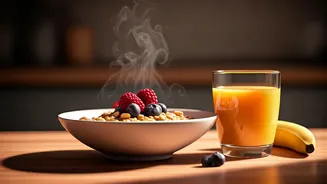
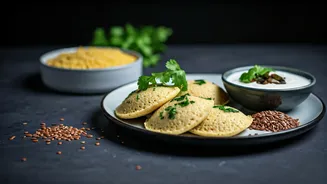
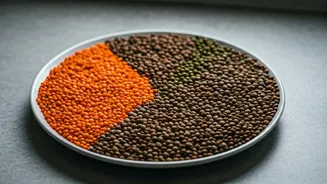
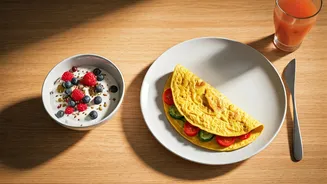
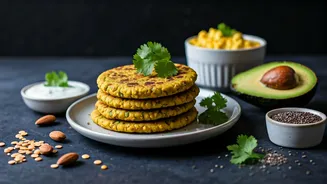
This trend isn't just about chugging a chalky protein shake (though that’s an option for some). It's about creatively incorporating protein into the first meal of the day. The humble egg has seen a massive resurgence, prepared as bhurji, omelettes, or simply boiled. Dairy, particularly paneer and Greek yoghurt, is another star. A simple bowl of Greek yoghurt with fruit and nuts, or a quick paneer bhurji with whole-wheat toast, has become a go-to for many. Even traditional recipes are getting a protein boost. Moong dal or besan chillas (savoury lentil pancakes) are gaining popularity over their rice-based counterparts. Adding a handful of sprouts to poha or upma is another easy hack. The goal is to make protein the anchor of the meal, not just an afterthought.
The Market Responds in a Big Way
Where consumers go, the market follows. The demand for convenient protein has created a booming industry in India. Supermarket aisles are now filled with products that were once niche. High-protein breakfast cereals, protein-fortified oats, peanut butter with added whey, and an endless variety of protein bars are readily available. The protein powder market, once the exclusive domain of bodybuilders, has gone mainstream. Brands now offer plant-based options (pea, soy, brown rice) and flavoured whey proteins designed to be mixed into smoothies, shakes, or even baked goods, catering to a wider demographic that includes busy professionals, active women, and vegetarians looking to supplement their intake.
Finding Your Balance
While the benefits are clear, it's important to approach this trend with balance. Nutrition is not a one-size-fits-all game. Demonising carbohydrates is not the answer; our bodies need them for energy. The key is balance and quality. Opting for complex carbs like whole grains over refined flour is a smart move. For most people, getting protein from whole food sources—like eggs, dairy, lentils, legumes, and nuts—is the best approach. Supplements can be a convenient tool, especially for those with high requirements or time constraints, but they shouldn't replace real food. The real win of this trend is the shift towards more mindful eating, encouraging people to think about what’s on their plate and how it makes them feel.