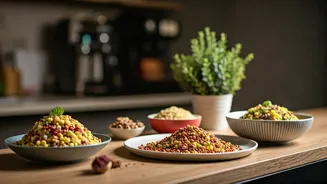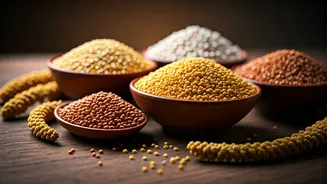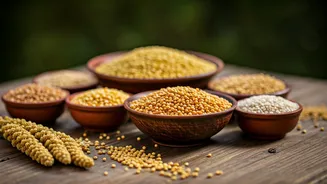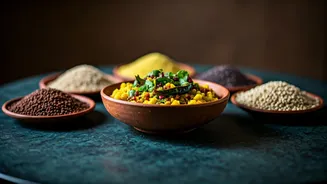


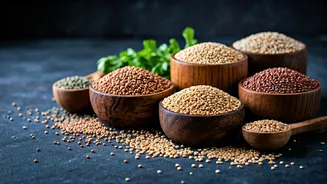
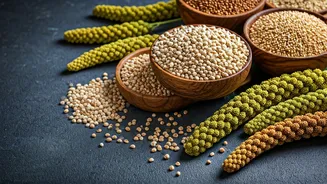


The Great Millet Revival
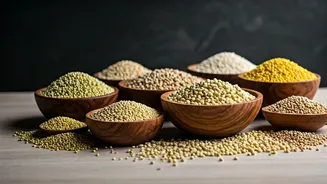
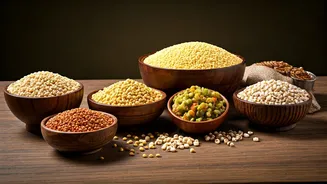
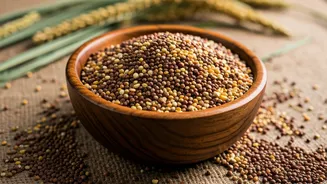
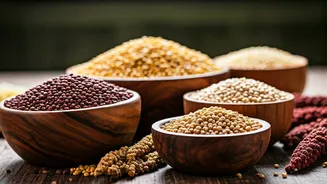
Not long ago, millets like jowar (sorghum), bajra (pearl millet), and ragi (finger millet) were often dismissed as coarse grains or food for rural areas. That perception is rapidly changing. A powerful combination of health consciousness, government advocacy,
and culinary innovation is putting these nutrient-dense grains back in the spotlight. While historical data shows a long-term decline in millet consumption since the Green Revolution favored wheat and rice, recent trends indicate a significant resurgence in interest. The United Nations declaring 2023 as the 'International Year of Millets,' at India's suggestion, provided a major catalyst, sparking nationwide awareness and curiosity.
A Nutritional Powerhouse
So, why the sudden love for millets? The answer lies in their impressive nutritional profile. Millets are naturally gluten-free, making them an excellent choice for people with celiac disease or gluten sensitivity. They are packed with dietary fiber, which aids digestion, promotes a feeling of fullness, and can help with weight management. With a lower glycemic index than refined grains, millets release sugar into the bloodstream more slowly, which is beneficial for managing blood sugar levels, particularly for those with diabetes. Furthermore, they are rich sources of essential minerals like iron, calcium, magnesium, and phosphorus, helping to combat anemia and support bone health.
From Government Push to Kitchen Creativity
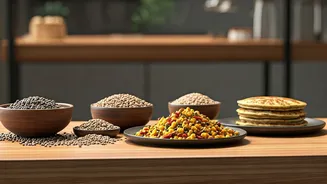
The revival isn't just a grassroots movement. The Indian government has actively promoted millets, now branded as 'Shree Anna' (the mother of all grains), through various initiatives. These include increasing the Minimum Support Price (MSP) for millet farmers, including millets in the Public Distribution System (PDS), and running awareness campaigns. This top-down push has met a bottom-up wave of culinary creativity. Urban kitchens and innovative food startups are transforming how Indians eat millets. No longer limited to traditional rotis and porridge, millets are now found in everything from breakfast cereals, pasta, and pizza bases to cookies, energy bars, and even dosa mixes. Brands like Tata Soulfull, Slurrp Farm, and 24 Mantra Organic are making millet-based products accessible and appealing to modern consumers.
How to Join the Movement
Incorporating millets into your diet is easier than ever. You don't have to overhaul your entire eating habits overnight. A simple approach is to substitute one grain-based meal a day with a millet alternative. You could start by replacing white rice with foxtail or barnyard millet, which have a similar texture. Try making upma or khichdi with little millet for a light and nutritious dinner. For breakfast, ragi dosas or pancakes are a fantastic option. You can also blend bajra or jowar flour into your regular chapati atta to boost its fiber content. The versatility of these grains means they can be seamlessly integrated into dishes you already love.
Challenges on the Road Ahead
Despite the growing momentum, the path to making millets a mainstream staple has its hurdles. Decades of focus on wheat and rice have shaped agricultural practices and consumer tastes. Challenges include the need for better seed quality, improving low crop productivity, and developing more efficient processing technologies to reduce the effort required for preparation. Public awareness, while growing, still has a long way to go to translate into regular, widespread consumption. For many, taste preferences and the convenience of rice and wheat remain significant barriers. Overcoming these requires sustained effort in farmer support, supply chain development, and consumer education.