



The Essence of Sawan Fasting
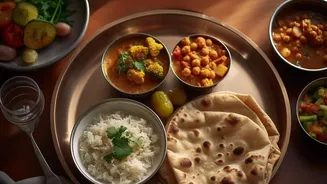
The Sawan vrat (fast) is more than just abstaining from food; it's a practice of purifying the mind and body. The diet followed is 'sattvic', meaning it comprises pure, light, and easy-to-digest foods that promote calmness and mental clarity. During this
monsoon month, Ayurvedic wisdom suggests that our digestive system is weaker, making a light diet beneficial. This is why regular grains like wheat and rice, along with tamasic (stimulating) ingredients like onion and garlic, are avoided. Instead, the focus shifts to fruits, dairy, and a special category of flours and seeds that provide energy without being heavy.
Makhana: The Divine Powerhouse
Makhana, or fox nuts, are a fasting superstar for a reason. These puffed lotus seeds are incredibly light yet filling. They are rich in protein and fibre, which provide sustained energy and prevent hunger pangs during a long day of fasting. Being gluten-free and low in calories, makhana is gentle on the digestive system. They are also a good source of essential minerals like magnesium and potassium, which help maintain muscle function and energy levels. Traditionally considered a 'pure' food, roasted makhana serves as a perfect sattvic snack that aligns with the spiritual goals of the fast, keeping the body nourished and the mind clear.
Kuttu: The Versatile Pseudo-Cereal
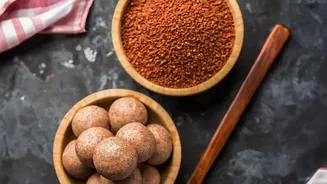
Kuttu, or buckwheat, is a staple during fasting periods like Sawan and Navratri. Despite its name, buckwheat is not a type of wheat; it's a gluten-free pseudo-cereal, which is why it's permitted during fasts when grains are forbidden. Kuttu ka atta (buckwheat flour) is a nutritional powerhouse, packed with high-quality protein containing all essential amino acids, dietary fibre, and minerals like magnesium. Its low glycemic index ensures a slow and steady release of energy, preventing the sugar crashes associated with refined flours. This makes it ideal for maintaining stamina. Its versatility allows for the preparation of everything from puris and parathas to cheelas, making vrat meals both wholesome and delicious.
Rajgira: The Royal Grain of Fasts
Rajgira, also known as amaranth or 'the royal grain', is another pseudo-cereal that is highly valued in fasting diets. Like kuttu, it is naturally gluten-free and permissible during Sawan. Rajgira is celebrated for its exceptional protein content, which is crucial for muscle repair and energy. It is also rich in iron, calcium, and magnesium, supporting bone health and preventing the fatigue that can accompany fasting. The high fibre content in rajgira aids digestion and promotes a feeling of fullness, helping to manage appetite effectively. From fluffy parathas to nutrient-dense ladoos, rajgira provides a robust nutritional foundation for those observing the vrat.
Tradition Meets Modern Wellness
The preference for makhana, kuttu, and rajgira during Sawan is a perfect example of ancient wisdom aligning with modern nutritional science. These foods are not just traditional choices but also check all the boxes for a healthy, contemporary diet. They are gluten-free, high in protein and fibre, and loaded with essential minerals. This combination helps in managing weight, controlling blood sugar levels, and promoting heart health. So, while devotees follow these dietary rules for spiritual reasons, they are also inadvertently embracing a diet that is incredibly beneficial for their overall physical well-being, making the Sawan fast a truly holistic practice.