



Rajasthan's Living Museum
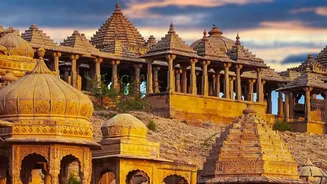
While the tourist trail in Rajasthan typically winds through the regal forts of Jaipur and the lakes of Udaipur, the semi-arid region of Shekhawati offers a different kind of magic. Comprising towns like Mandawa, Nawalgarh, and Fatehpur, this area is famed
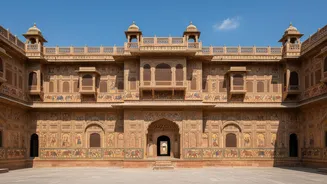
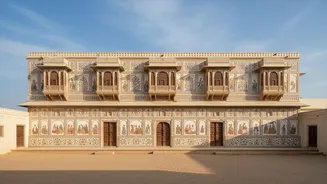
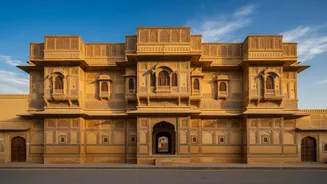
for its spectacular collection of havelis, or traditional mansions. Built predominantly by wealthy Marwari merchants in the 18th and 19th centuries, these structures were a symbol of their prosperity. But what makes them extraordinary is that their walls—both inside and out—are covered in elaborate fresco paintings, earning Shekhawati the nickname 'the open-air art gallery of India'. These murals depict everything from mythological tales and religious figures to scenes of daily life and the arrival of modern technologies like trains and cars, brought back in the minds of the traders.
A Heritage Reclaimed and Reopened
For decades, many of these architectural gems were left abandoned and fell into disrepair as merchant families migrated to commercial hubs like Kolkata and Mumbai. However, a significant shift is underway. A growing number of these havelis are being meticulously restored, either by the original families or by hospitality groups who see their immense cultural value. This restoration movement is breathing new life into the region. Some havelis have been converted into museums, like the Dr. Ramnath A. Poddar Haveli Museum in Nawalgarh, which meticulously preserves its art. Many others have been transformed into boutique heritage hotels, allowing travelers to not just see the art but to live within it. Properties like Castle Mandawa and Vivaana Culture Hotel offer an atmospheric stay, complete with frescoed courtyards and antique furniture. This revival is not just about preserving buildings; it's about making this unique heritage accessible once again.
The Unexpected Joy of the Off-Season
Traditionally, the peak season to visit Rajasthan is during the cool winter months from October to March. Summers are notoriously harsh, with temperatures often soaring above 40°C. However, the headline's claim of a flourishing off-season is rooted in this new wave of restored havelis. These air-conditioned heritage hotels provide a cool and comfortable sanctuary from the daytime heat, making a summer or monsoon visit not only possible but enjoyable. Visiting during the low season, from April to September, means encountering far fewer tourists. This allows for a more personal and unhurried exploration of the towns and their art. You can wander the quiet lanes of Fatehpur or Mandawa, often having entire havelis to yourself. Furthermore, travel and accommodation are often available at a significant discount, making it a budget-friendly option for culture seekers. The monsoon months of July and August also bring a surprising transformation, as brief showers wash the dust away and add a hint of green to the arid landscape.
Beyond the Painted Walls
A trip to Shekhawati offers more than just architectural admiration. It's an immersion into a slower, more authentic Rajasthani way of life. The region is a hub of traditional craftsmanship, and the restoration projects themselves are helping to revive ancient skills. Local conservation groups, like The Shekhawati Project, are working to train a new generation in the unique 'arayish' fresco technique, ensuring this art form does not disappear. Travelers can engage with the local culture through village walks, sampling regional cuisine, and experiencing the warm hospitality that defines the area. Festivals, such as the Vedaranya Heritage and Healing Festival held in Ramgarh, further animate the region, filling historic courtyards with music, art installations, and performances that connect the past with the present. It’s a chance to see heritage not as a relic, but as a living, breathing entity.