




The Rise of Creative Veg
For decades, vegetarian fine dining in India often felt like an afterthought—a predictable rotation of paneer, mushrooms, and mixed vegetables in various gravies. But a seismic shift is underway. Driven by a new generation of health-conscious diners,
global food trends, and a desire for culinary innovation, chefs across the country are putting plants at the centre of the plate. This isn't just about replacing meat; it's about celebrating vegetables, grains, and legumes in their own right. The result is a vibrant 'fusion' cuisine where Indian flavours meet international techniques and ingredients, creating dishes that are both familiar and thrillingly new.
1. Jackfruit: The Meaty Imposter
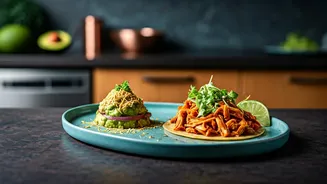
Raw jackfruit, or 'kathal,' has long been a staple in Indian curries. Its fibrous, meat-like texture makes it the perfect candidate for a plant-based makeover. Today, you'll find it starring as a convincing substitute for pulled pork in tacos, bao buns, and sliders. Chefs slow-cook the jackfruit with smoky barbecue sauces or spicy Goan vindaloo masalas, creating a tender, flavour-packed filling that satisfies even the most ardent meat-eaters. This fusion of a humble local vegetable with popular global street-food formats is a prime example of the trend's ingenuity. Look for it in trendy cafes and modern Indian bistros in cities like Mumbai and Bengaluru.
2. Chaat Gets a 'Superfood' Upgrade
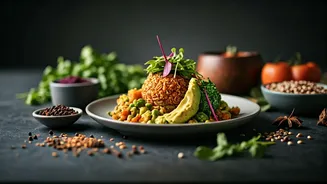
Chaat is the soul of Indian street food, a perfect explosion of sweet, sour, spicy, and crunchy. The new wave of fusion chaat keeps the soul intact but swaps traditional ingredients for modern, health-forward ones. Imagine a deconstructed papdi chaat where the papdi is replaced with crispy kale, or a bhel puri studded with quinoa and pomegranate seeds. Perhaps the most ubiquitous example is the avocado chaat. Creamy avocado is mashed or diced and mixed with tangy chutneys, onions, and sev. It's a delightful blend of Mexican guacamole and Indian street-side genius, offering a creamy, refreshing, and entirely novel chaat experience.
3. Millets Go Global in a Bowl
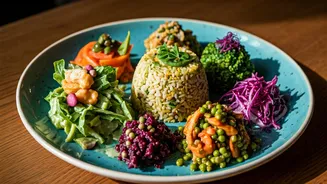
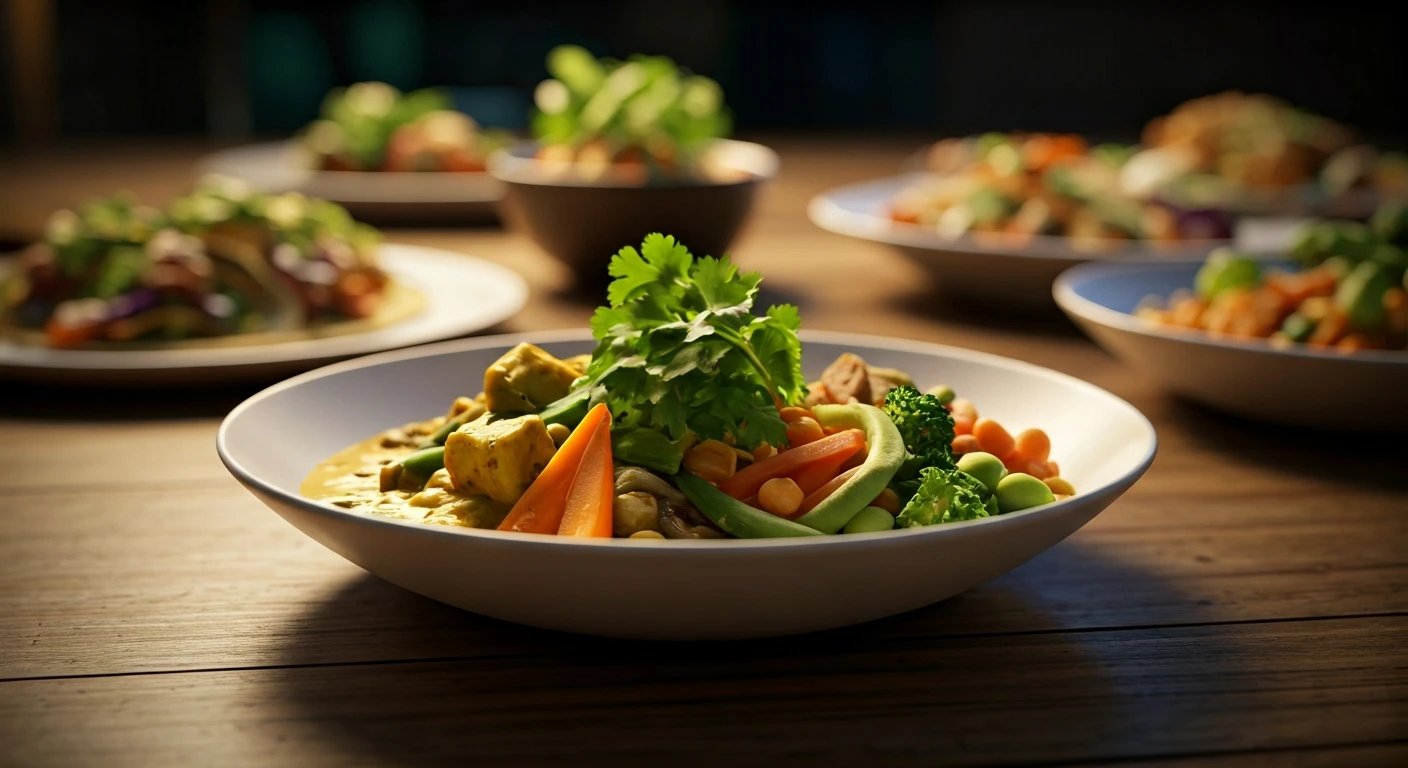
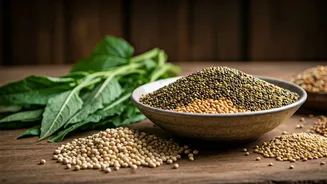
Once considered rustic 'village food,' millets like jowar, bajra, and ragi are now celebrated for their nutritional benefits. Chefs are using these ancient Indian grains as a base for trendy 'Buddha bowls.' These one-bowl meals combine a grain base with roasted vegetables, a plant-based protein like chickpeas or tofu, and a flavourful dressing. The fusion happens in the flavour profile. You might find a bajra bowl with a Mediterranean-style lemon-tahini dressing and falafel, or a foxtail millet bowl with a spicy Thai peanut sauce and stir-fried greens. It’s a complete, customisable meal that beautifully marries Indian staples with international health food trends.
4. Mushrooms Beyond the Masala
Mushrooms have always been a part of Indian cooking, but usually swimming in a thick gravy. The new approach treats different mushroom varieties with the respect they deserve, using European techniques to highlight their unique textures and earthy flavours. You might find dishes like a portobello mushroom steak served with a tamarind glaze, a wild mushroom galette (an open-faced tart) spiced with garam masala, or creamy shiitake risotto infused with saffron. This elevation of the humble mushroom from a curry ingredient to the star of the dish is a hallmark of modern plant-based cooking in India.
5. Tempeh and Tofu with a Desi Twist
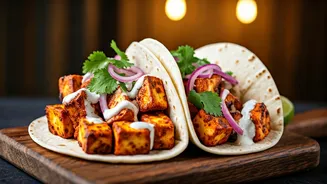
Tofu and its fermented cousin, tempeh, are staples of East and Southeast Asian cuisine. While tofu has been available in India for a while, chefs are now moving beyond stir-fries and incorporating these proteins into distinctly Indian preparations. Imagine tandoori tofu skewers, marinated in the same fiery red masala as paneer tikka, or tempeh crumbled into a spicy keema pav. Some restaurants are even using tempeh in rich, regional curries like a Chettinad or Malabar preparation. This cross-cultural adoption gives vegetarians and vegans exciting new protein options that are packed with familiar, beloved Indian flavours.