

Saturn Takes Centre Stage
The star of the late-August sky is undoubtedly Saturn. While its official opposition—when it is at its closest and brightest for the year—is on October 4, 2026, the ringed planet is already a magnificent sight. It will be visible for most of the night,
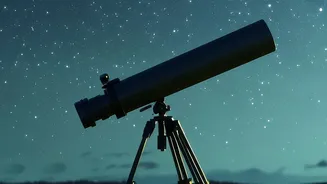
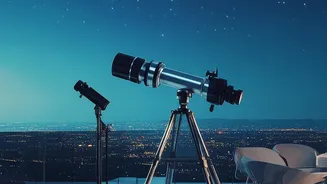
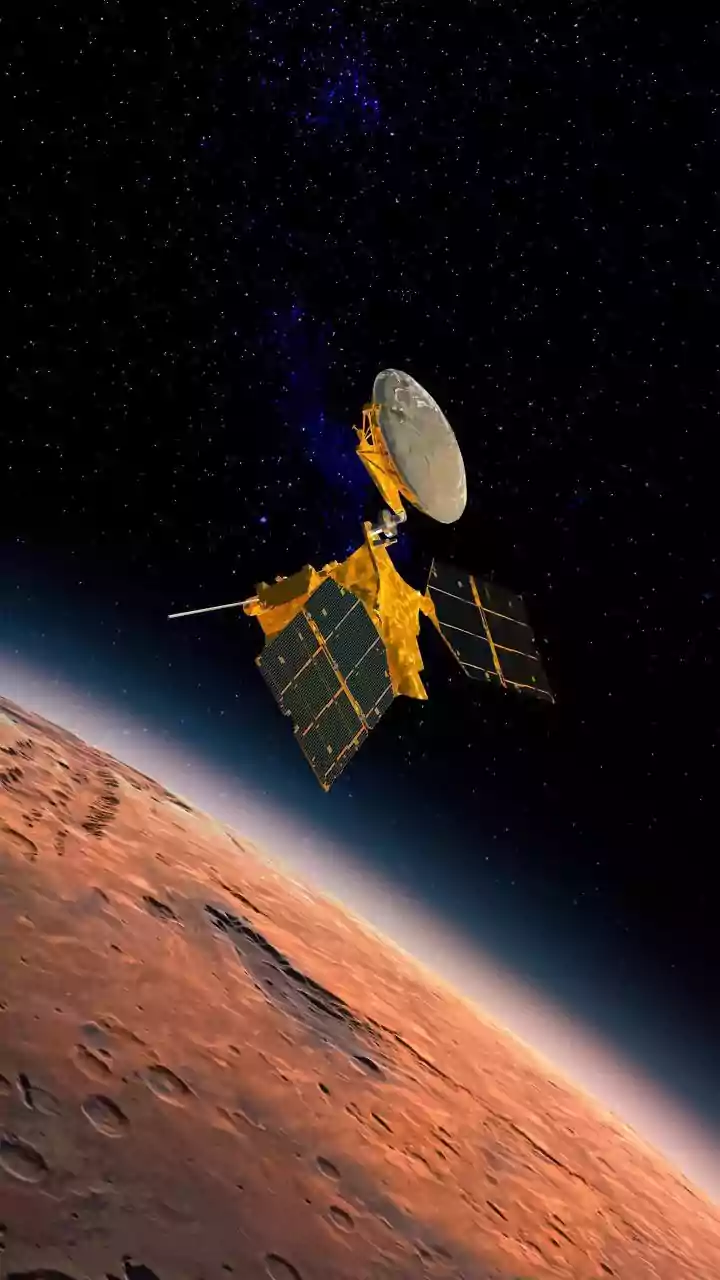
rising in the east around sunset and tracing a path across the sky. Look for a bright, steady, yellowish point of light. Unlike twinkling stars, planets shine with a constant glow. Even a basic pair of binoculars can reveal that Saturn is not just a point of light, and a small telescope will begin to show its iconic rings, a truly unforgettable sight. Mars will also be visible as a distinct, reddish point of light in the pre-dawn sky.
A Faint Echo of Shooting Stars
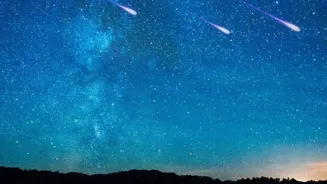
While the Perseids grabbed the headlines, they aren't the only meteor shower active in August. The Kappa Cygnids, a minor shower, remain active until around August 28. Though its peak was around August 17, you might still catch a stray shooting star originating from the constellation Cygnus. This shower is known for producing only a few meteors per hour, but they are often slow-moving and can be surprisingly bright fireballs. It’s a game of patience, but a rewarding one if you spot one of these late-season meteors. The best time to look is after midnight, in a sky free from moonlight and city glare.
Trace the Summer Triangle and a Scorpion
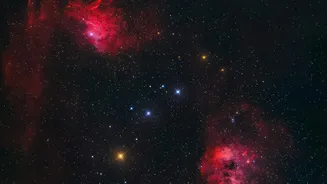
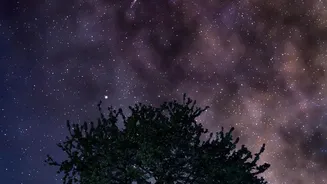
Late summer is a fantastic time to learn some key constellations. Look high overhead for the Summer Triangle, an asterism (a simple pattern of stars) composed of three of the brightest stars in the sky: Vega, Deneb, and Altair. This trio is so bright it can be spotted even from suburban areas. In the southern part of the sky, look for the distinctive J-shape of Scorpius, the scorpion. Its heart is marked by the bright, reddish star Antares. To the east of Scorpius lies Sagittarius, which looks more like a teapot than an archer. This region of the sky is where the dense, bright core of our own Milky Way galaxy is located, appearing as a faint, hazy cloud from a truly dark location.
Essential Tips for a Great Night Out
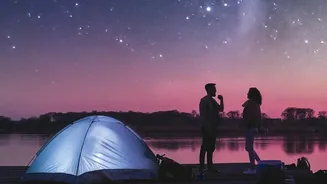
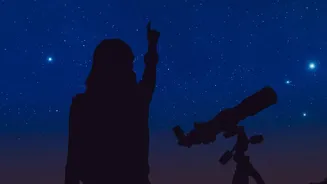
To make the most of your stargazing session, planning is key. The biggest obstacle for most people in India is light pollution. Head as far away from city lights as you can; national parks, remote villages, or high-altitude spots like those in Ladakh or Spiti Valley are ideal. Plan your viewing around the New Moon phase when the sky is darkest. The Full Moon on August 28 will wash out fainter stars, so the days leading up to it are better for deep-sky viewing. Give your eyes at least 20-30 minutes to fully adapt to the darkness—and that means putting your phone away. A red-light torch is helpful for finding your way without ruining your night vision. Finally, get comfortable. A reclining chair or a blanket on the ground will save your neck from craning, allowing you to relax and simply enjoy the view above.