








The Rise of a Gentle Giant
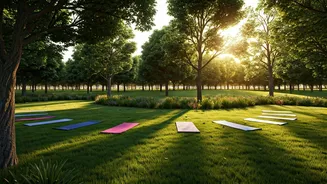
Across India's bustling cities, a new wellness trend is gathering quiet momentum. From Lodhi Garden in Delhi to Cubbon Park in Bengaluru, massive, open-air yoga events are drawing crowds not for intense Vinyasa flows or headstand challenges, but for something
far more subtle: slow spinal decompression. These gatherings are less about athletic feats and more about therapeutic release. Participants, ranging from young tech professionals to retirees, are seeking a gentle, mindful antidote to the posture-damaging effects of modern life—long hours hunched over desks, endless screen time, and the pervasive stress that tightens our shoulders and compresses our spines.
What is Slow Spinal Decompression?
The term might sound clinical, but the practice is deeply intuitive. Slow spinal decompression in a yoga context refers to a series of gentle, sustained movements designed to create space between the vertebrae. Think less about rapid contortions and more about deliberate, mindful lengthening. Key postures include Marjaryasana-Bitilasana (Cat-Cow Pose), which gently mobilises the spine, Adho Mukha Svanasana (Downward-Facing Dog) to lengthen the entire back body, and simple, supported twists that release tension in the thoracic and lumbar regions. The 'slow' aspect is crucial. By holding gentle stretches and moving with the breath, muscles that have been chronically tensed are given time to relax, allowing the spine to elongate and decompress naturally. This process helps to hydrate the spinal discs, improve nerve function, and alleviate the nagging, low-grade back pain that plagues so many.
The Power of the Outdoors
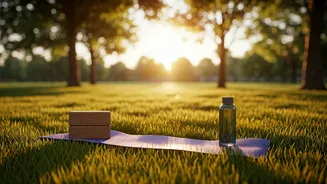
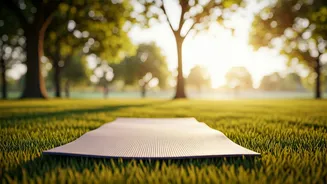
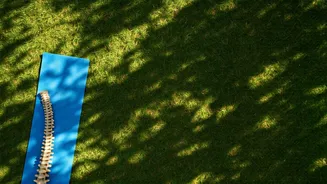
While these movements could be done in a studio, taking the practice outdoors adds a powerful dimension. The feeling of open space overhead psychologically counters the sense of being cramped and confined. Practising on grass offers a more forgiving, grounding surface than a hard floor. Moreover, the benefits of 'green exercise' are well-documented. Exposure to natural light helps regulate circadian rhythms and boosts Vitamin D production. The fresh air is an obvious plus, but studies also show that being in nature can lower cortisol levels, reduce blood pressure, and improve overall mood. The sensory experience—the feeling of a cool breeze, the sound of birds, the smell of damp earth—enhances the meditative quality of the practice, making it a holistic reset for both body and mind.
Strength in Numbers
Perhaps the most surprising element of this trend is its communal nature. In an age of personalised fitness apps and solo home workouts, why are people flocking to practise with hundreds of strangers? The answer lies in the power of collective energy, or 'satsang'. Moving and breathing in unison with a large group creates a palpable sense of connection and shared intention. It transforms a personal wellness pursuit into a community event. For many, seeing so many others prioritise their health is deeply motivating. The group setting provides a sense of accountability and encouragement without the pressure of a competitive environment, fostering a supportive atmosphere where everyone is focused on the shared goal of feeling better in their own bodies.
A Remedy for Modern Ailments
Ultimately, the popularity of these events speaks volumes about our current needs. The focus on spinal health directly addresses the physical toll of a digital-first, sedentary lifestyle. 'Tech neck', rounded shoulders, and lower back pain are no longer niche complaints; they are the default state for a significant portion of the urban workforce. These events offer a practical, accessible solution. They represent a conscious choice to disconnect from screens and reconnect with the body, nature, and community. It’s a quiet rebellion against the fast-paced, high-stress demands of city living—a collective, slow exhale under an open sky.