







An Unprecedented Surge in Power Demand
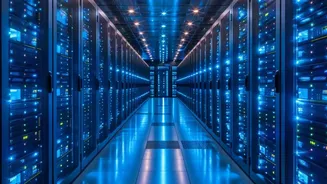
The backbone of the modern digital world is the data center, a vast, power-hungry facility packed with servers that store, process, and distribute the information we use every day. While these centers have always been significant energy consumers, their
environmental impact has recently exploded. A new study published in November 2026 in the journal Nature Sustainability found that emissions from the largest 'hyperscale' data centers in the United States are now two to three times higher than they were in 2018. Another analysis estimates that overall US data center carbon emissions have seen a threefold increase since 2018 estimates. This dramatic rise means the carbon footprint of these facilities is growing at a pace that alarms climate scientists and policymakers alike. The electricity consumed by just 403 of these massive centers in the year leading up to April 2025 was enough to power nearly seven million American homes and generated carbon dioxide emissions equivalent to the entire country of Denmark.
The Artificial Intelligence Accelerator
The primary catalyst for this insatiable energy appetite is the global boom in artificial intelligence. Training and running large language models and generative AI tools requires immense computational power, far exceeding that of traditional cloud services. According to the International Energy Agency (IEA), the global electricity consumption by data centers could double between 2022 and 2026, with AI being a primary driver. A single complex AI query can use nearly ten times the electricity of a simple Google search. This has created a technological gold rush, with companies racing to build and expand 'AI factories', facilities specifically designed for these intensive workloads. The IEA is tracking the buildout of 93 such sites globally, noting that their combined capacity grew tenfold in just two years. In the US, electricity use by data centers jumped from 1.9% of the national total in 2018 to 4.4% in 2023, with projections suggesting it could reach as high as 12% by 2028.
Big Tech's Green Paradox
This surge creates a difficult paradox for the tech giants. Companies like Google, Microsoft, and Amazon have invested billions in renewable energy and have pledged to run their operations on 100% clean power. However, the sheer speed and scale of the AI boom are outpacing the availability of green energy. As a result, many new data centers are being powered by fossil fuels. A recent Harvard study found that about 54% of the electricity powering US hyperscale data centers came from sources like natural gas and coal. This has led to an uncomfortable reality: even as companies increase their renewable portfolios, their overall emissions are rising. Microsoft, for example, reported that its emissions have increased by nearly 30% since 2020. The IEA warns that if current trends continue, global data center carbon emissions could climb by 70% by 2030, with the US expected to rely on natural gas for about 60% of its data center power needs.
The Hunt for Sustainable Solutions
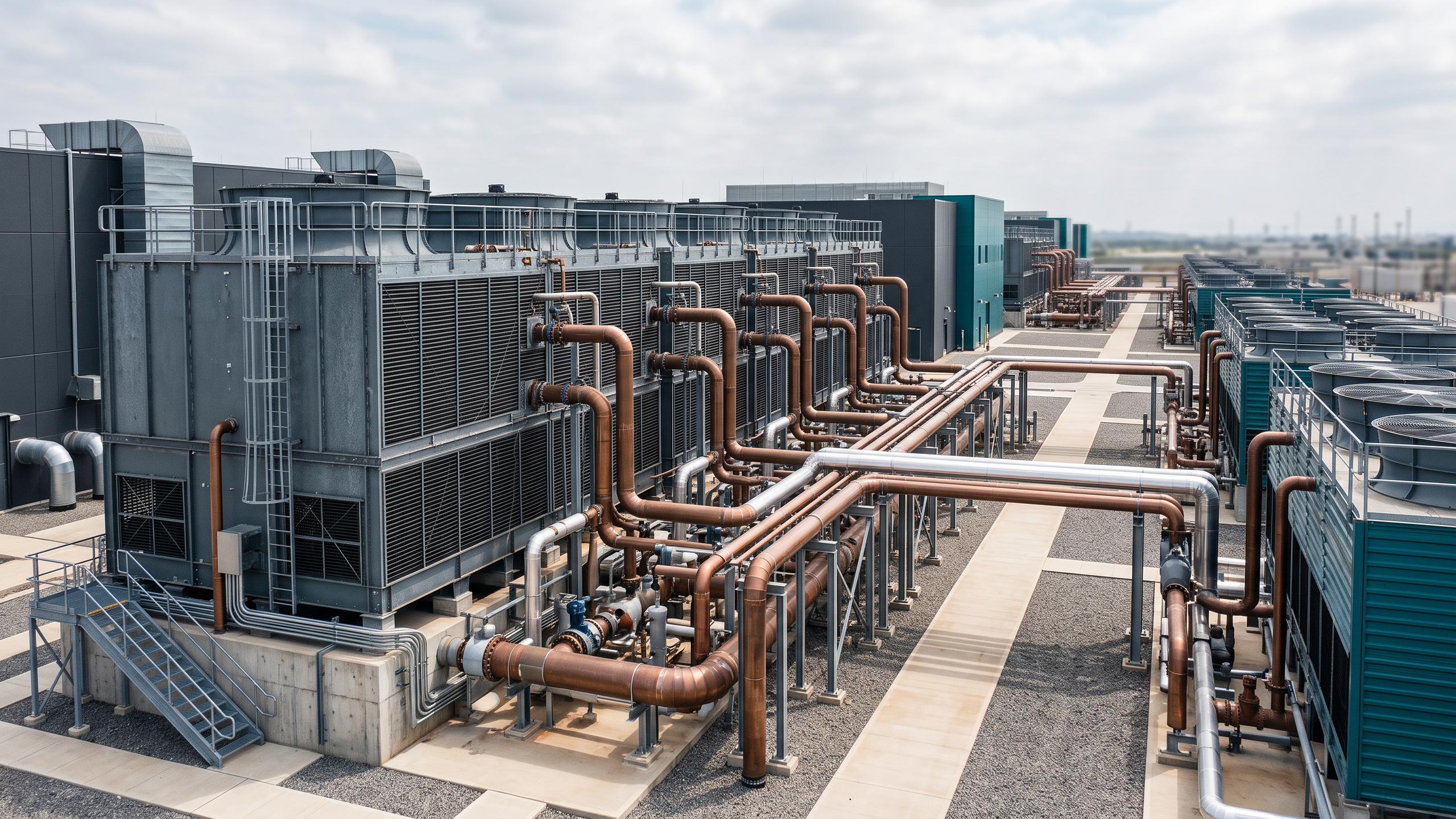
The industry is not standing still in the face of this challenge. A multi-pronged effort is underway to make computing more efficient and less environmentally damaging. This includes designing more energy-efficient chips and hardware, developing advanced cooling systems that use less power, and optimizing AI models to require less processing. The physical location of data centers is also a key strategy. Building facilities in cooler climates reduces the energy needed for cooling, while placing them near large-scale renewable energy sources like wind or solar farms can help power them cleanly. However, the unceasing demand for power is forcing some operators to take unconventional steps, like building their own natural gas plants to guarantee a stable electricity supply, a move that locks in emissions for the foreseeable future. The challenge is immense, as the efficiency gains are struggling to keep up with the exponential growth in demand.