





The Great Monsoon Migration
For years, the script for a monsoon getaway was predictable: head to the nearest hill station and embrace the rain-soaked greenery. Destinations in Himachal Pradesh and Uttarakhand were perennial favourites. However, recent years have seen this tradition
fraught with peril. Increasingly frequent and intense rainfall has led to a surge in landslides, flash floods, and prolonged road closures. News reports of stranded tourists and treacherous journeys have become a monsoon staple, with authorities often issuing travel warnings for popular spots like Shimla, Manali, and Nainital during peak rainy months. This has left many city dwellers, desperate for a break from the urban heat and humidity, searching for destinations that offer mountain vistas without the life-threatening risks associated with saturated slopes.
An Escape to the Rain Shadow
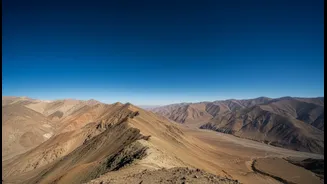
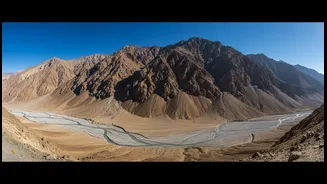
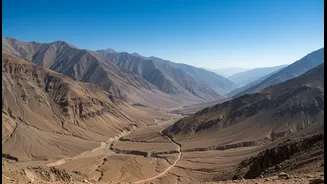
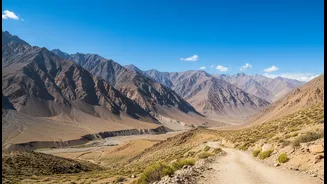
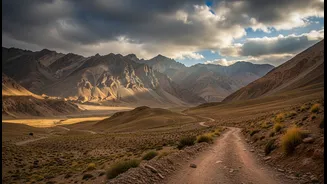
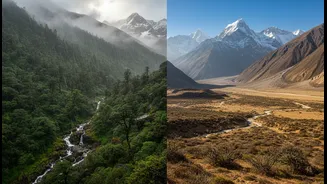
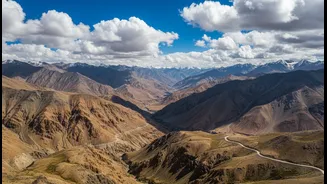
Enter Ladakh and Spiti Valley. Geographically, these regions are a world away from the lush, monsoon-drenched slopes of the lower Himalayas. Tucked behind the main Himalayan range, they lie in a 'rain shadow' zone. This means the towering mountains block the moisture-laden monsoon clouds that travel up from the Indian Ocean. While the southern slopes of the Himalayas get drenched, the clouds have exhausted most of their moisture by the time they cross the peaks, leaving Ladakh and Spiti arid and dry. The result is what geographers call a 'cold desert'. For a traveller, this translates to clear blue skies, bright sunshine, and minimal rainfall, even in the peak monsoon months of July and August, creating a safe haven for tourism.
A Different Kind of Beauty
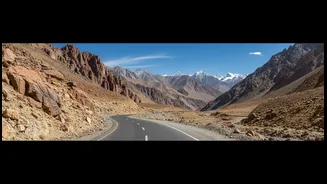
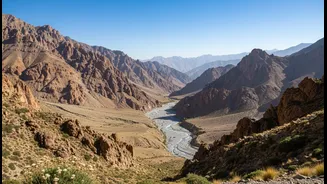
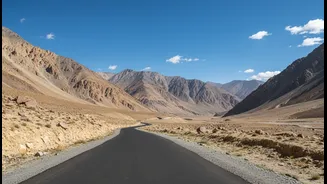
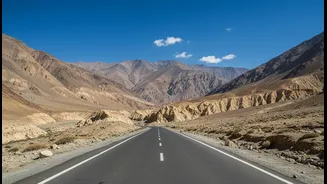
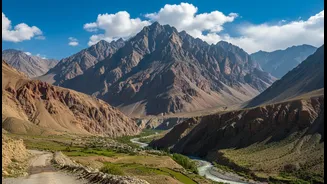
A monsoon trip here subverts all expectations. Instead of the conventional green, travellers are greeted by a dramatic panorama of barren, multi-hued mountains, deep gorges, and impossibly blue rivers and lakes. The landscape is stark but stunningly beautiful. The focus shifts from chasing waterfalls to exploring ancient, white-washed monasteries perched precariously on cliffs, driving over some of the world's highest motorable passes like Khardung La, and experiencing a unique Tibetan-Buddhist culture. The dry weather makes it ideal for activities that are often impossible elsewhere during monsoon, such as trekking, river rafting in the Zanskar, and stargazing in the clear night skies. This unique offering is drawing a growing number of visitors, with Ladakh reporting a significant surge in tourist arrivals.
The Journey Is Part of the Adventure
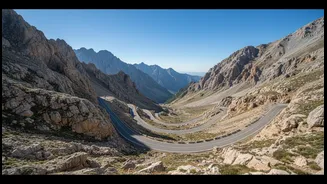
Getting to these high-altitude havens is an adventure in itself. The two primary road routes are the Manali-Leh Highway and the Srinagar-Leh Highway. A similar route connects Shimla to Kaza in Spiti Valley. While the destinations themselves are dry, the initial stretches of these highways pass through regions that do receive heavy monsoon rains. Travellers must be prepared for potential delays on the lower-altitude sections due to landslides or water crossings, especially on the approach to Manali or through parts of Kinnaur. However, once you cross the high passes like Rohtang or Zoji La, the landscape and weather transform dramatically. For many, this epic road trip, with its changing scenery and sense of crossing into another world, is a primary attraction.
Is It Completely Risk-Free?
While Spiti and Ladakh offer a much safer alternative to landslide-prone regions, the trip is not without its challenges. The primary health concern is Acute Mountain Sickness (AMS), caused by the high altitude. It's crucial for travellers to acclimatise properly by ascending gradually and staying hydrated. The roads, though mostly dry within Ladakh and Spiti, can be rugged and demanding. While the internal roads connecting places like Nubra Valley and Pangong Lake are generally open, it's wise to build buffer days into your itinerary to account for any unexpected roadblocks on the access highways. Despite the 'rain shadow' effect, climate change has introduced light, unpredictable drizzles even in these deserts, so carrying a waterproof layer is advisable.