

The Forager's First Rule: Certainty Is Everything
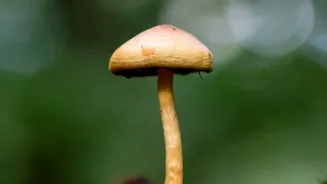
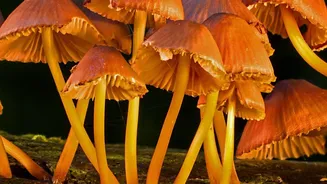
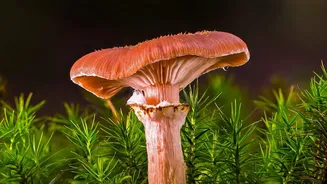
The single most important rule of consuming monsoon mushrooms is absolute identification. Wild mushrooms that grow naturally during the rainy season can be especially risky because many poisonous varieties closely resemble edible ones. Some parts of India
have regional delicacies like Rugda in Jharkhand or Gavti Almi in Goa, which are foraged by local tribal communities with generational knowledge. Unless you are an expert or accompanied by one, it is safest to avoid picking mushrooms from forests, fields, or roadsides. There are no simple home tests to distinguish a safe mushroom from a toxic one. Features like colour, shape, or whether animals eat them are unreliable indicators. The rule is simple: if you have even a shadow of a doubt, do not eat it.
Buying Smart: How to Select Fresh Mushrooms
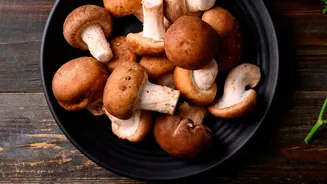
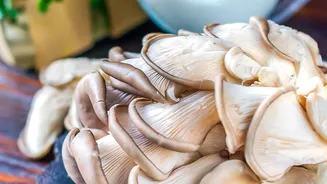
For most people, the safest option is to buy commercially cultivated mushrooms from a trusted, hygienic store. But even store-bought mushrooms need careful inspection, as high monsoon humidity can make them spoil faster. Look for mushrooms that are firm, plump, and dry. Avoid any that appear slimy, sticky, discoloured with dark spots, or have a strong, unpleasant odour. If they look mushy or collapsed, they are past their prime. Buy only what you plan to cook within a day or two and refrigerate them as soon as you get home to maintain freshness.
The Cleaning Ritual: To Wash or Not to Wash?
Proper cleaning is crucial, especially during the monsoon when mushrooms can harbour more dirt and microbes. The best practice is to clean them just before cooking. Avoid washing them before storage, as the added moisture will accelerate spoilage. For cultivated mushrooms like button or oyster, a gentle brushing or wipe with a damp cloth is often enough. If they are very dirty, a quick rinse under cool water is fine, but don't soak them. Mushrooms are like sponges and will absorb water, which can lead to a soggy texture when cooked. After rinsing, pat them dry thoroughly with a paper towel or let them air dry for a bit before they hit the pan.
Cooking for Safety and Flavour
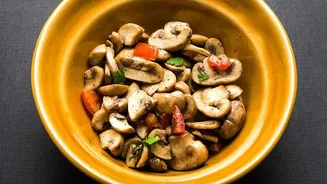
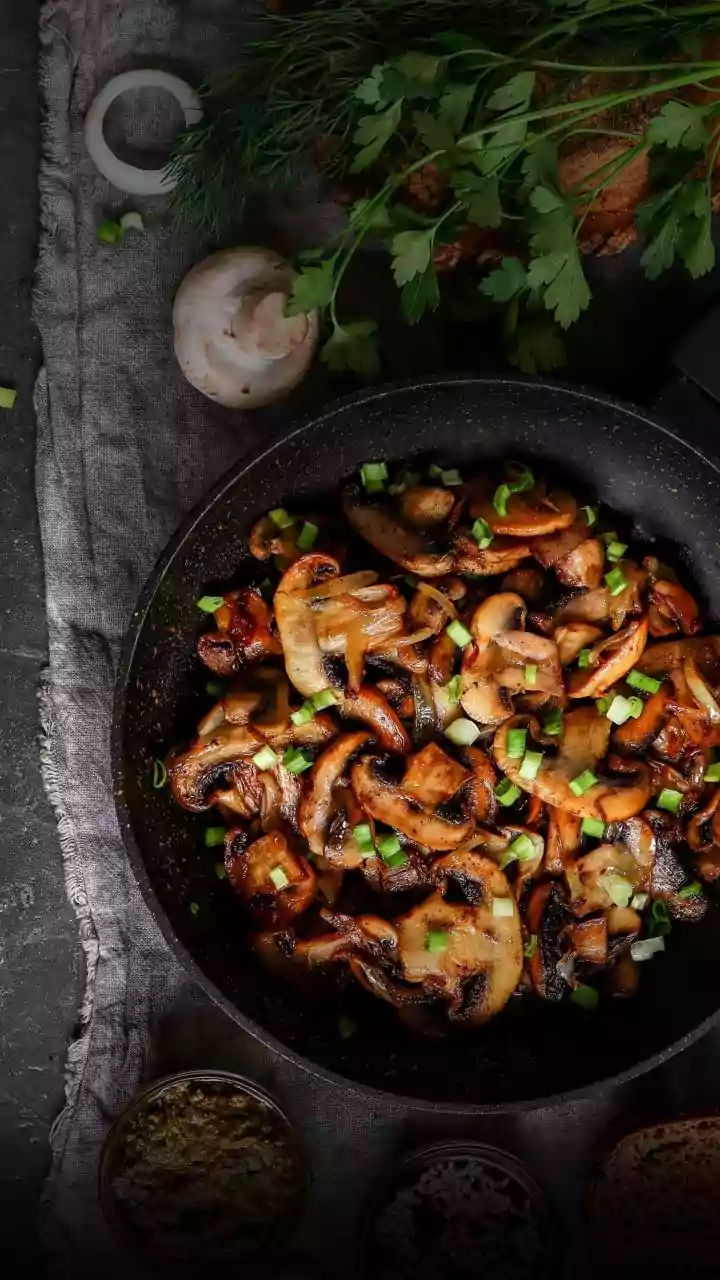
Thorough cooking is a non-negotiable step. Cooking helps destroy many harmful microorganisms and also improves the digestibility of mushrooms. Never eat wild or even cultivated mushrooms raw. Some dangerous toxins are only neutralised by heat. When cooking, don't overcrowd the pan. Cooking in a single layer over medium-high heat allows the mushrooms' natural water content to evaporate, preventing them from becoming rubbery or slimy. Wait to add salt until the mushrooms have started to brown and release their moisture. Adding salt too early draws out water too quickly, steaming the mushrooms instead of sautéing them and leading to a rubbery texture.
Know the Symptoms of Poisoning
In the unfortunate event that someone consumes a poisonous mushroom, symptoms can appear anywhere from 20 minutes to 24 hours later. Early signs often include nausea, severe stomach cramps, vomiting, and diarrhoea. In some severe cases, there can be a deceptive period of apparent recovery before major organ damage becomes evident. If you suspect mushroom poisoning, do not wait for symptoms to worsen. Seek immediate medical attention at the nearest hospital. If possible, take a sample of the mushroom that was consumed, as this can be critical for identification and proper treatment.