



The Secret to a Perfect Pakora
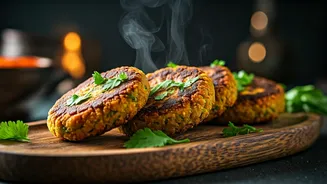
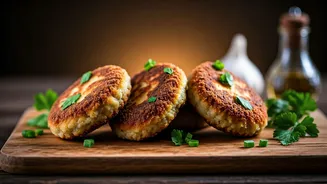
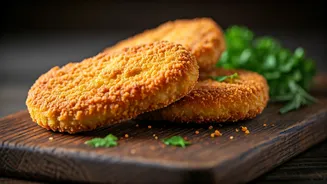
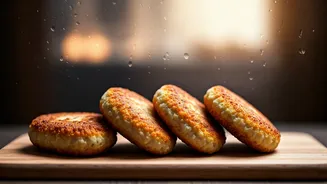
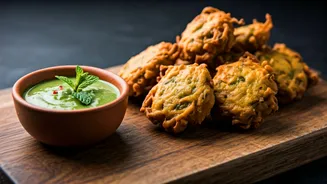
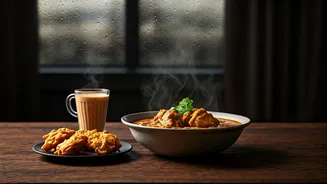
A truly great pakora is all about texture: a shatteringly crisp exterior that gives way to a soft, flavourful interior. This delightful contrast doesn't happen by accident. The key lies in the batter and the choice of ingredients. Traditional pakora batter is made
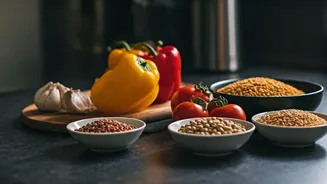
with besan (gram flour), which has a nutty flavour and is naturally gluten-free. [5, 6] However, the real secret to achieving an unbeatable crunch is the addition of a second flour. Rice flour or cornflour are excellent choices; they are lighter than besan and don't absorb as much oil, resulting in a crispier, less greasy fritter. [6, 15] A common recommendation is a blend of 70% besan for flavour and binding, and 30% rice flour for that desirable crunch. [6]
Crafting the Ultimate Crispy Batter
The consistency of your batter is crucial. A batter that is too thick will lead to dense, doughy pakoras, while one that is too thin won't coat the vegetables properly and will turn soggy. [3] Aim for a consistency that is thick but still able to evenly coat your chosen ingredients. A clever trick is to add your vegetables to the dry flour mix first, allowing them to release their natural moisture before you add any water. [10] When you do add water, use it sparingly and make sure it's ice-cold. [1] Cold water helps keep the batter light and creates a temperature shock when it hits the hot oil, contributing to a crispier finish. [1] For an extra boost of crispiness, some cooks swear by adding a tablespoon or two of hot oil directly into the batter just before frying. [4, 19]
Frying for Flavour and Crunch
Your choice of oil and frying technique can make or break your pakoras. An oil with a high smoke point is essential for deep frying. [7] Options like ghee, avocado oil, and refined coconut oil work well. [9, 11] Many traditionalists prefer mustard oil for its authentic flavour and high smoke point. [7] Heat the oil over a medium flame; oil that is too cool will result in greasy, oil-logged pakoras, while oil that is too hot will burn the outside before the inside is cooked. [2, 3] A simple test is to drop a small amount of batter into the oil. If it sizzles and rises to the surface steadily, the temperature is perfect. [12] Fry the pakoras in small batches to avoid overcrowding the pan, which lowers the oil temperature. [8, 12] Drop the batter in uneven, rustic shapes rather than perfect spheres; the scraggly edges will become extra crispy. [1]
Beyond the Onion: Pakora Variations
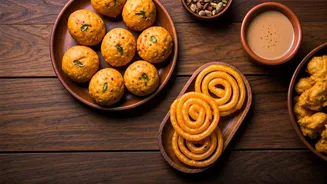
While onion pakoras are a classic for a reason, the possibilities are nearly endless. Finely sliced potatoes, spinach leaves, and cauliflower florets are all popular and delicious choices. [8, 13] For best results, ensure your vegetables are patted completely dry before being added to the batter, as excess moisture is the enemy of crispiness. [3] You can also try paneer cubes for a protein-rich option, or even green chillies for a spicy kick. [6] No matter what you choose, slicing the vegetables thinly or grating them ensures they cook through quickly and evenly. [8, 13]
The Perfect Partner: Fresh Mint Chutney
No plate of pakoras is complete without a vibrant green chutney to cut through the richness. A classic mint chutney is simple to make and bursts with fresh flavour. In a blender, combine fresh mint leaves (stems removed), fresh coriander leaves, a green chilli, a small piece of ginger, and a few garlic cloves. [22, 23] To this, add a pinch of salt, a little sugar to balance the flavours, and a squeeze of fresh lime juice for tanginess. [23] Some recipes also include ingredients like roasted cumin powder for earthiness or a spoonful of yoghurt or a few cashews for a creamier texture. [22, 23] Adding ice cubes or using ice-cold water while blending can help the chutney retain its bright green colour. [20, 23] Blend everything to a smooth paste, and your perfect dipping sauce is ready.