





More Than Just a Health Trend
The shift towards plant-based gelato is being driven by a perfect storm of consumer trends. A significant portion of the Indian population—around 60%—is estimated to be lactose intolerant, making dairy-free options a necessity for many. This, combined
with a growing vegan movement and heightened awareness around health and wellness, has created a fertile ground for change. Consumers are increasingly seeking desserts that align with their lifestyle choices without sacrificing indulgence. The Indian vegan food market has seen remarkable growth, with dairy alternatives leading the charge. This isn't just about avoiding dairy; it's about embracing a modern, conscious approach to eating that has urban consumers, especially millennials, seeking out plant-forward options.
The Science of Creaminess, Reimagined
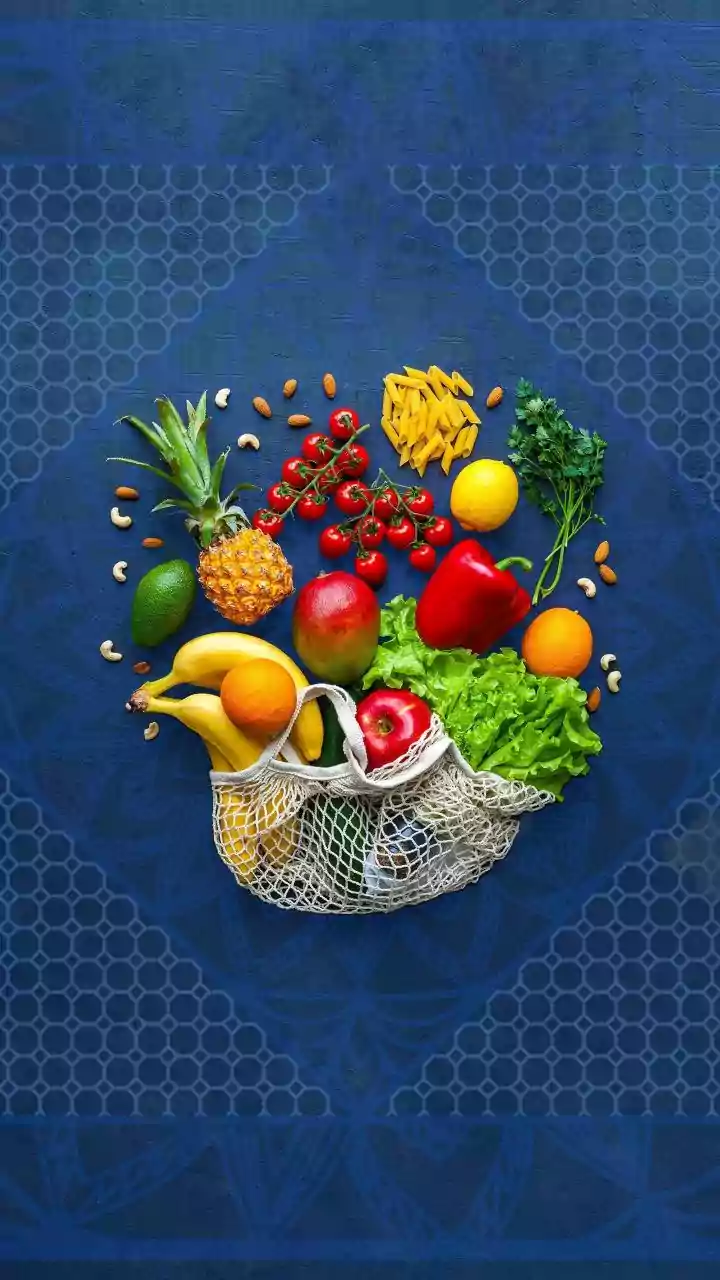
Creating the rich, dense, and creamy texture of traditional gelato without milk fat is a significant culinary challenge. Milk provides structure, smoothness, and a unique mouthfeel that is difficult to replicate. However, today’s chefs are proving to be resourceful innovators. Instead of one single substitute, they are turning to a diverse pantry of plant-based ingredients. Coconut milk is a popular choice for its richness, while cashew cream adds a buttery texture. Oat milk offers a lighter, smoother base, and some creators are even experimenting with nutrient-dense options like avocado and pea protein. The art lies in blending these ingredients to achieve the perfect balance of flavour and texture, turning a potential limitation into an opportunity for creativity. Many brands now specialise in small-batch production, focusing on natural ingredients and avoiding artificial preservatives, which enhances both taste and appeal.
New Twists on Classic Tastes
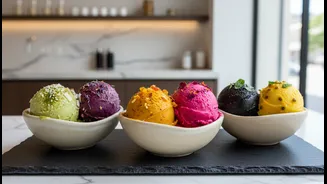
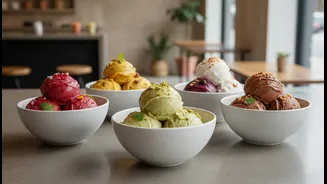
The most exciting aspect of this trend is the flavour innovation. Chefs are not just making vegan versions of vanilla and chocolate; they are completely rethinking what gelato can be. Classic flavours are being reimagined with a plant-based touch. Imagine a Sea Salt Caramel made with a coconut and palm sugar base, or a rich Dark Chocolate gelato that gets its creaminess from nuts and almonds. Even traditional Indian flavours are getting a modern, dairy-free update. Brands are successfully launching flavours inspired by local sweets and spices, such as Paan, Masala Chai, Kesar Pista, and Coconut Jaggery, which resonate deeply with the Indian palate. International chains and homegrown brands alike are part of this movement. Baskin Robbins has introduced vegan versions of Alphonso Mango and Mississippi Mud, while Keventers has also launched dairy-free options. Small artisanal brands like Nomou, Minus 30, and Papacream are pushing the boundaries with unique offerings like Green Tea Matcha and Fig & Walnut.
An Urban Phenomenon
This dessert revolution is primarily unfolding in India’s metropolitan hubs. Cities like Mumbai, Delhi, and Bangalore are at the forefront, with a growing number of dedicated vegan cafes, dessert parlours, and artisanal brands. The high concentration of health-conscious consumers, expatriates, and curious foodies in these cities creates a strong market for such innovations. The rise of quick commerce and food delivery apps has also played a crucial role, making these premium and niche products more accessible than ever before. Consumers in urban centers are often more willing to experiment with new food trends and pay a premium for high-quality, gourmet products that tell a story of craftsmanship and ethical sourcing. This has allowed many small, independent brands to flourish and build a loyal following.