

India's Vigilant Eye on the Sun
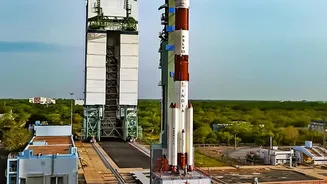
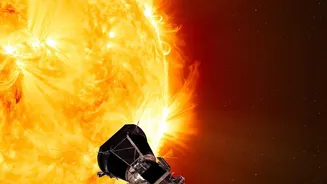
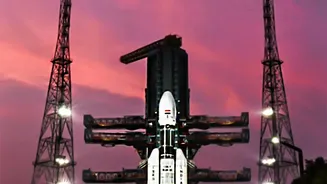
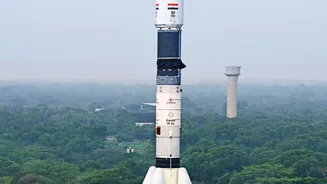
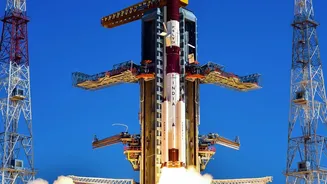
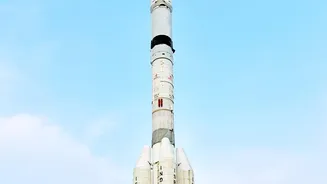
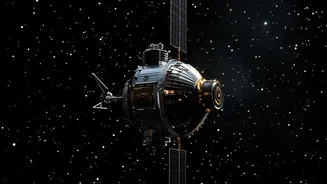
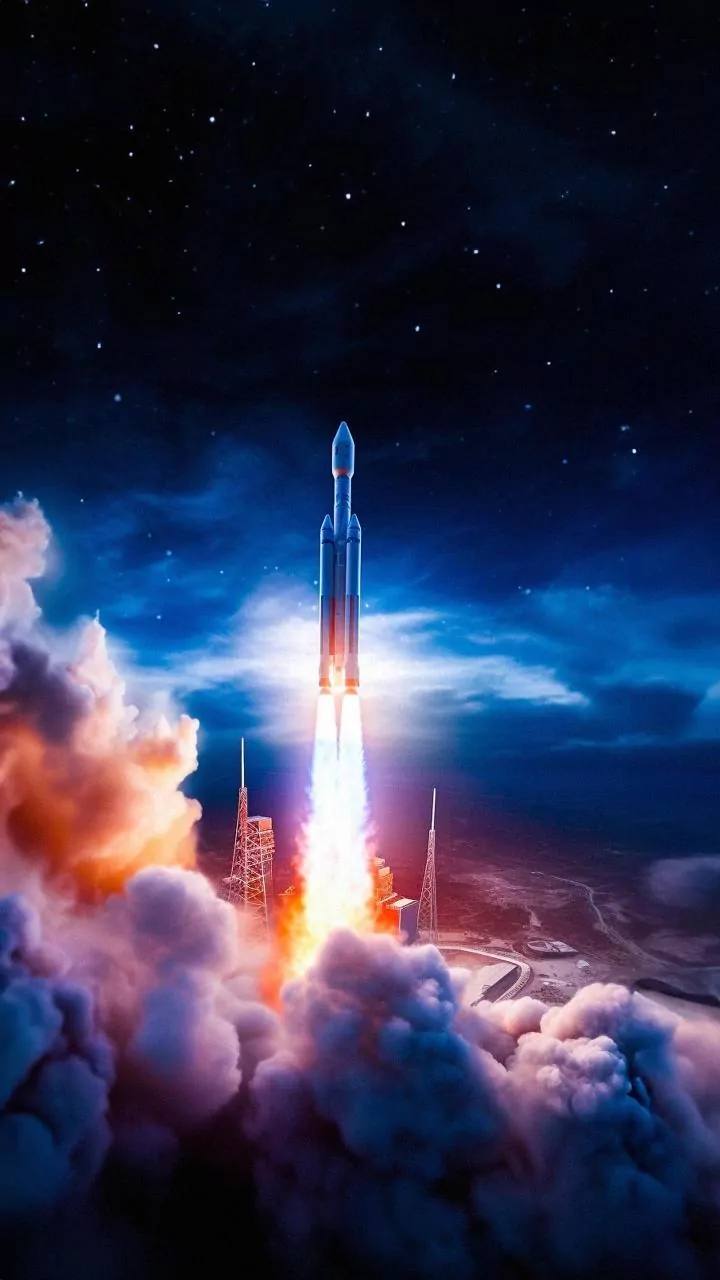
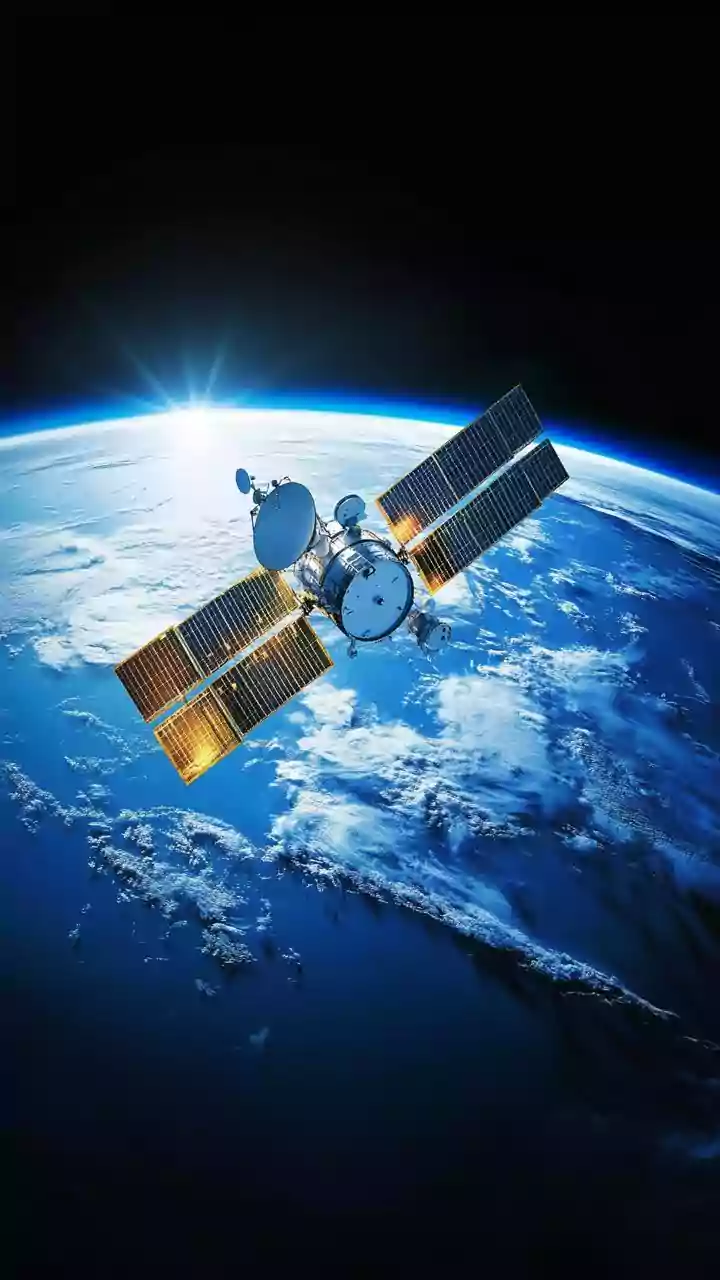
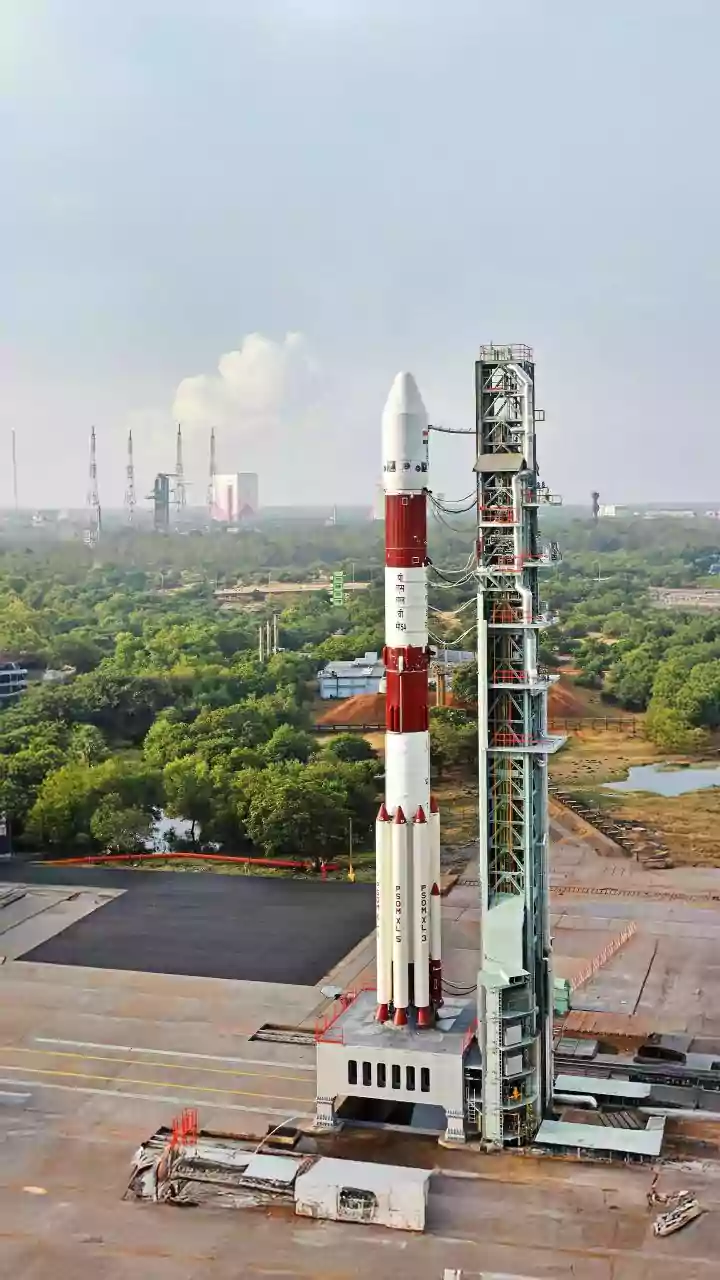
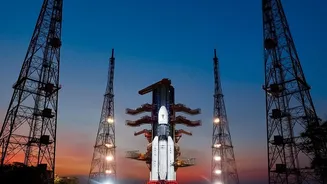
Launched in September 2023, the Aditya-L1 is India’s first space-based observatory dedicated to studying the Sun. After a journey of 1.5 million kilometres, it was successfully placed in a halo orbit around the Sun-Earth Lagrange Point 1 (L1). This unique
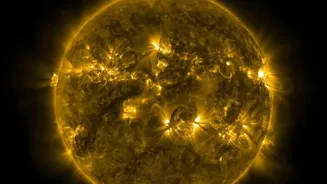
vantage point allows the spacecraft to continuously observe the Sun without any occultation or eclipses, providing an uninterrupted stream of data. The mission is equipped with seven sophisticated payloads designed to study various aspects of the Sun, from its surface to its extended outer layers and the solar wind that permeates the solar system. The primary goal is to better understand solar phenomena like coronal heating, solar flares, and Coronal Mass Ejections (CMEs), which have a direct impact on space weather.
What the Sensors Detected
The latest excitement comes from the Aditya Solar wind Particle Experiment (ASPEX) payload, which includes two key instruments: the Solar Wind Ion Spectrometer (SWIS) and the Plasma Analyser Package for Aditya (PAPA). ISRO reports that these instruments have recorded significant and abrupt spikes in the flow of solar wind particles. Specifically, the SWIS instrument, which has a 360-degree field of view, measured a notable increase in the counts of protons and alpha particles—the primary components of the solar wind. These detections are not just random noise; they represent the successful capture of dynamic events happening on the Sun and are a testament to the high performance of the mission’s instruments. The sensors are working precisely as intended, capturing the high-energy particle streams that are a key focus of the mission.
Decoding the Solar Spikes
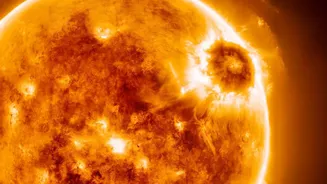
So, what are these 'spikes' and why do they matter? The solar wind is a continuous stream of charged particles flowing from the Sun. While it is always present, its speed, density, and temperature can vary dramatically. The sudden spikes observed by Aditya-L1 are often associated with powerful solar events like Coronal Mass Ejections (CMEs). CMEs are giant eruptions of plasma and magnetic fields from the Sun's corona that can travel through space at immense speeds. When these events are directed towards Earth, they can cause significant geomagnetic storms. By detecting changes in solar wind particles, Aditya-L1 can provide crucial data that helps scientists identify the arrival of these massive solar eruptions. This capability essentially acts as an early warning system for potentially disruptive space weather.
A Mission Performing Perfectly
For ISRO and the Indian scientific community, these initial findings are a resounding success. The detection of these solar wind variations confirms that the ASPEX payload and its components are not only operational but are performing their jobs exceptionally well. The ability to measure the composition and energy of solar wind ions with precision is crucial for achieving the mission's broader scientific objectives. The data from instruments like PAPA and SWIS has already helped researchers analyze CMEs that occurred earlier in 2024, demonstrating their effectiveness in monitoring space weather conditions. These early results are a validation of the complex engineering and scientific planning that went into the Aditya-L1 mission, proving its capability to contribute significantly to our understanding of the Sun.
Why Studying Space Weather is Crucial
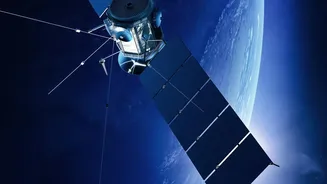
Understanding the Sun and its behaviour isn't just an academic exercise. Space weather, driven by solar activity, can have profound effects on our technologically dependent world. Intense geomagnetic storms caused by CMEs can disrupt satellite operations, affecting communication networks, GPS navigation, and broadcasting services. They can also induce currents in power grids on Earth, potentially leading to widespread blackouts. Astronauts and spacecraft are also at risk from the increased radiation associated with major solar events. By providing continuous and detailed observations from its unique position at L1, Aditya-L1 is a vital new tool in the global effort to monitor and predict space weather, helping to safeguard our critical infrastructure both in space and on the ground.