



The Rise of the Micro-Break
The traditional week-long wellness retreat is making way for a more practical alternative: the micro-break. Professionals facing high-pressure jobs and the threat of burnout are increasingly opting for shorter, more frequent getaways of two to four days.
This trend is driven by a simple reality: finding an entire week is a logistical and financial challenge for many. Short trips, often called 'micro-cations', are easier to plan, more affordable, and cause less disruption at work. Instead of one big annual escape, people are scheduling multiple, smaller resets throughout the year, using them as a tool to manage stress before it becomes overwhelming. Travel experts note this shift reflects a broader change in how we view holidays—less as a rare indulgence and more as a necessary, regular practice for maintaining well-being.
Why Shorter is Proving Smarter
The benefits of these compact wellness trips go beyond convenience. Psychologically, the planning overhead for a short trip is significantly lower, which reduces pre-holiday stress. For those already feeling exhausted, organising a weekend escape is far more manageable than coordinating a long, complex vacation. Research suggests that the positive effects of a holiday are often felt most strongly in the days immediately following it, meaning several short breaks can provide more consistent mood boosts throughout the year than a single long one. These frequent pauses act like pressure valves, releasing accumulated tension and helping to prevent chronic stress from taking root. This makes wellness more of an integrated lifestyle habit rather than a once-a-year event.
What a Wellness Weekend Looks Like
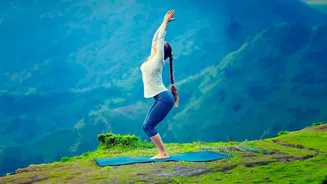
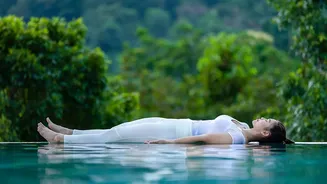
A wellness weekend isn't just a short holiday; it's an intentional escape focused on restoration. These trips are built around activities that calm the nervous system and heal the body. A typical itinerary might include guided meditation, yoga sessions, spa therapies like Shirodhara or Abhyanga, and mindful meals. Many retreats now specialise in addressing modern ailments like digital fatigue and burnout, offering phone-free spaces to encourage guests to disconnect completely. The goal is to return not just rested, but equipped with healthier habits. India, as the birthplace of yoga and Ayurveda, is a global leader in this space, with retreats offering structured, personalised programmes that deliver tangible results even in a short timeframe.
Quick Escapes from Major Cities
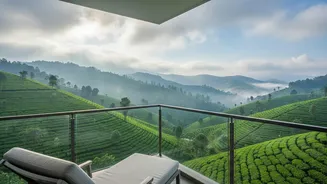
The key to a successful micro-break is minimising travel time. Fortunately, India has a wealth of wellness destinations located just a few hours' drive from major metropolitan hubs. For those in Mumbai and Pune, the Sahyadri Mountains offer accessible luxury retreats in places like Lonavala, Mulshi, and Shillim, overlooking serene lakes and forests. Residents of Delhi NCR can easily reach Rishikesh, the world's yoga capital, in about four hours for a spiritual and restorative weekend in the Himalayan foothills. Down south, those in Bengaluru have options in the tranquil hills of Coorg or at dedicated Ayurveda centres. These locations provide a complete change of scenery and pace, allowing city dwellers to quickly immerse themselves in nature and quiet.
Making the Most of Your Short Retreat
To maximise the benefits of a short wellness holiday, planning is crucial, but it should remain simple. Choose a destination within a comfortable driving distance to avoid travel fatigue. Once there, fully commit to the experience. Setting boundaries with technology is one of the most effective ways to truly disconnect and be present. Many retreats offer guided programmes, which can be immensely helpful in structuring your time for maximum impact. A good retreat will balance scheduled activities like yoga and workshops with ample free time for rest and reflection. The ultimate goal is to carry the sense of calm and the healthy practices you learn back into your daily life, making the effects of your short break last much longer.