



The Unrealistic Ideal of Perfection
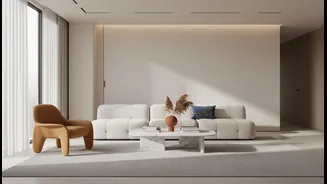
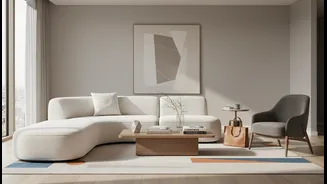
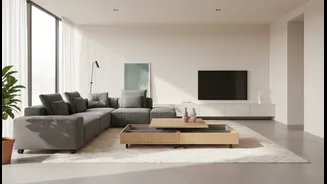
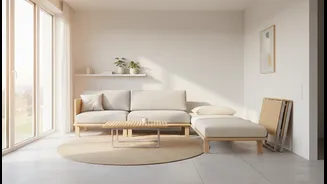
Scroll through any design-focused feed, and you’re met with a sea of pristine, minimalist homes that look more like art galleries than living spaces. This curated ideal has created an unattainable standard, suggesting that a well-designed home is one
devoid of personal effects or the gentle mess of daily life. But experts and seasoned designers agree that a home should be an extension of who you are, complete with your hobbies, collections, and memories. The goal isn't to live in a sterile showroom; it's to create a space that feels authentically yours, where you can truly relax and belong. The most beautiful interiors are often those that show signs of life, telling the story of the people who inhabit them.
The Art of Intentional Imperfection
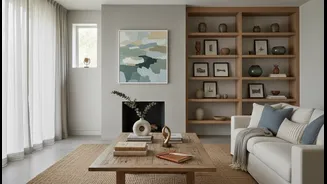
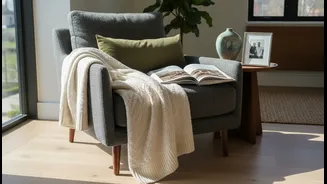
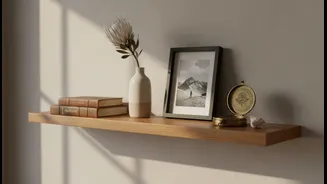
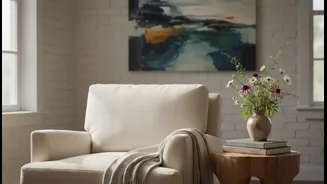
Embracing imperfection doesn't mean surrendering to chaos. It’s about being deliberate. The Japanese philosophy of Wabi-Sabi finds beauty in things that are imperfect, impermanent, and incomplete. In home decor, this translates to celebrating the aged patina on a wooden table, the slight asymmetry of a handmade ceramic vase, or the comfortable wear of a favourite armchair. By choosing items with character and history, you infuse your space with a sense of soul that brand-new, mass-produced items often lack. This approach is about curating, not just collecting. Every object should have a purpose or hold personal meaning, turning potential clutter into a collection of beloved treasures.
Creating Order with a Cohesive Palette
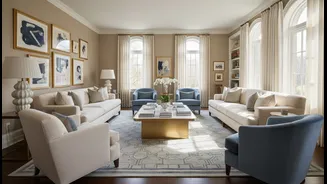
One of the most effective tools for maintaining visual order amidst a collection of personal items is a cohesive color palette. When a consistent thread of color runs through a space, it creates a sense of harmony that ties everything together. This doesn't mean every room must be painted the same color. Instead, choose a foundational neutral and a few complementary accent tones to repeat in different ways across your home. A blue from a cushion in the living room might reappear in a piece of artwork in the hallway or the shade of a kitchen vase. This repetition creates a visual language that makes the entire home feel connected and intentional, allowing for more freedom and personality in your decor choices.
Practical Strategies to Contain the Chaos
Even with a great color scheme, daily life creates clutter. The key is to give that clutter a designated home. Instead of letting keys, mail, and remote controls scatter across surfaces, use stylish trays, bowls, or decorative boxes to group them. This simple trick contains the mess within a defined boundary, turning a chaotic pile into an organized collection. Similarly, baskets are invaluable for stashing away extra blankets, magazines, or children's toys. Clearing your main surfaces of random items is a quick way to reduce visual clutter and restore a sense of calm. You’re not hiding the reality of your life; you’re just giving it a more orderly, aesthetically pleasing frame.
Let Your Home Evolve With You
Finally, a personal home is never truly “finished.” It should be a dynamic space that grows and changes along with you. Don’t be afraid to move furniture, swap out artwork, or update textiles as your tastes evolve. Your home is a canvas for self-expression, not a rigid set of design rules. Allowing your space to be a little bit in-progress is part of its charm. It reflects a life being lived, full of new interests, experiences, and memories. The most important design principle is that your home should make you feel happy and comfortable, and that rarely comes from a place of rigid perfection.