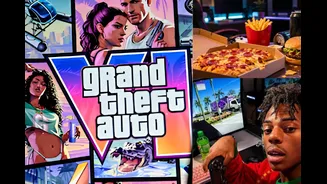




The launch of Grand Theft Auto 6, a video game anticipated for over a decade, is doing more than just keeping players glued to their screens. It's triggering a real-world economic ripple, with US food delivery apps reporting a significant spike in late-night
orders.
The Midnight Order Surge
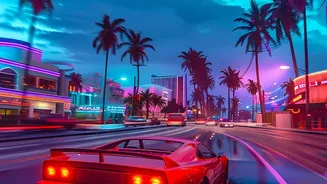
On November 19, as millions of players began exploring the world of Vice City, food delivery apps noticed an immediate shift in consumer behavior. DoorDash reported that between 9 p.m. and 2 a.m. on launch night, orders for items like chips, burgers, fries, and pizza all jumped by over 10%. Energy drink sales climbed by 20%. Uber Eats saw an even more dramatic spike, with orders for certain items like Red Bull Watermelon soaring by 95% and Totino's Pizza Rolls by 54%. The effect was especially pronounced in Miami, the real-life inspiration for the game's setting. The city saw a nearly 25% increase in late-night orders on DoorDash and over 30% on Uber Eats compared to previous weeks.
An Audience Too Engaged to Cook
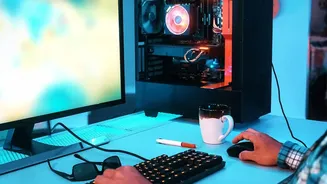
The phenomenon isn't just a coincidence; it's a direct consequence of the immersive nature of modern gaming. After waiting 13 years for a new installment, players are diving into marathon sessions, unwilling to pause for mundane tasks like cooking. Recognizing this, food delivery services planned ahead. Uber Eats specifically curated deals on food that could be eaten one-handed, like McNuggets and boneless wings, so gamers wouldn't have to put their controllers down. The data shows gamers are a valuable demographic, ordering food with high frequency. The GTA 6 launch has simply put a massive spotlight on a trend that has been growing for years: where blockbuster entertainment goes, convenience commerce follows.
A New Playbook for Brands
This event highlights how major cultural moments can create windfalls for adjacent industries. Market intelligence firm Sensor Tower forecasted that the game's launch could drive 50 million extra visits to US food delivery and restaurant apps in its first 30 days. Food brands and delivery platforms are no longer passive observers; they're active participants. Popeyes launched a limited-edition 'Spice City Sandwich', while McDonald's began taking delivery orders on Discord, a popular chat app for gamers. DoorDash and Grubhub offered promotional codes tied directly to the game's launch. These companies understand that tapping into the gamer mindset—offering deals and convenience at peak playing times—is a powerful marketing strategy. It's not just about selling food, but about becoming part of the event itself.
More Than Just Food
The delivery boom extended beyond snacks and meals. DoorDash also reported staggering increases in orders for gaming hardware. During the launch-night rush, demand for controllers and gaming accessories skyrocketed by 450%, while orders for HDMI cables jumped 440%. This indicates that players were not just fueling their bodies but also upgrading their setups at the last minute to ensure the best possible experience. The trend was so significant that nearly a third of Gen Z workers and over a quarter of millennials reportedly planned to take time off work for the launch. This fusion of entertainment, commerce, and lifestyle shows that a single video game release is now a major economic event, powerful enough to alter work schedules and create predictable demand spikes across multiple retail sectors.