






How Your Map Guesses the Future
Before you can outsmart the estimated time of arrival (ETA), it helps to understand how it's calculated. Navigation apps like Google Maps and Waze are technological marvels, blending several data streams to predict your journey. They use a combination
of historical traffic data—knowing that a particular highway is always slow on a Friday afternoon—and real-time information sourced from other users currently on the road. This creates a dynamic prediction that can even account for accidents or slowdowns that have just occurred. The algorithm finds the most efficient path based on these factors, calculating the time it should take to travel each segment of the route. For everyday commutes, this system is remarkably accurate. But holiday travel is a different beast entirely.
The Holiday Havoc Factor
Public holidays and long weekends in India trigger a massive, simultaneous movement of people that standard algorithms can struggle to predict. Highways heading out of major cities become choked, and popular destinations see their local infrastructure overwhelmed. An app’s algorithm might be based on normal weekend traffic, failing to grasp the sheer volume of cars during the Diwali or Christmas holidays. This 'long-weekend economy' means that roads to hill stations, beaches, and pilgrimage sites are packed. Furthermore, the nature of holiday travel is different. It involves more families, which often means more frequent and longer, unplanned stops for food, photos, or just letting the kids stretch their legs. These personal delays are invisible to the app but can add hours to a trip.
What the Algorithm Can't See
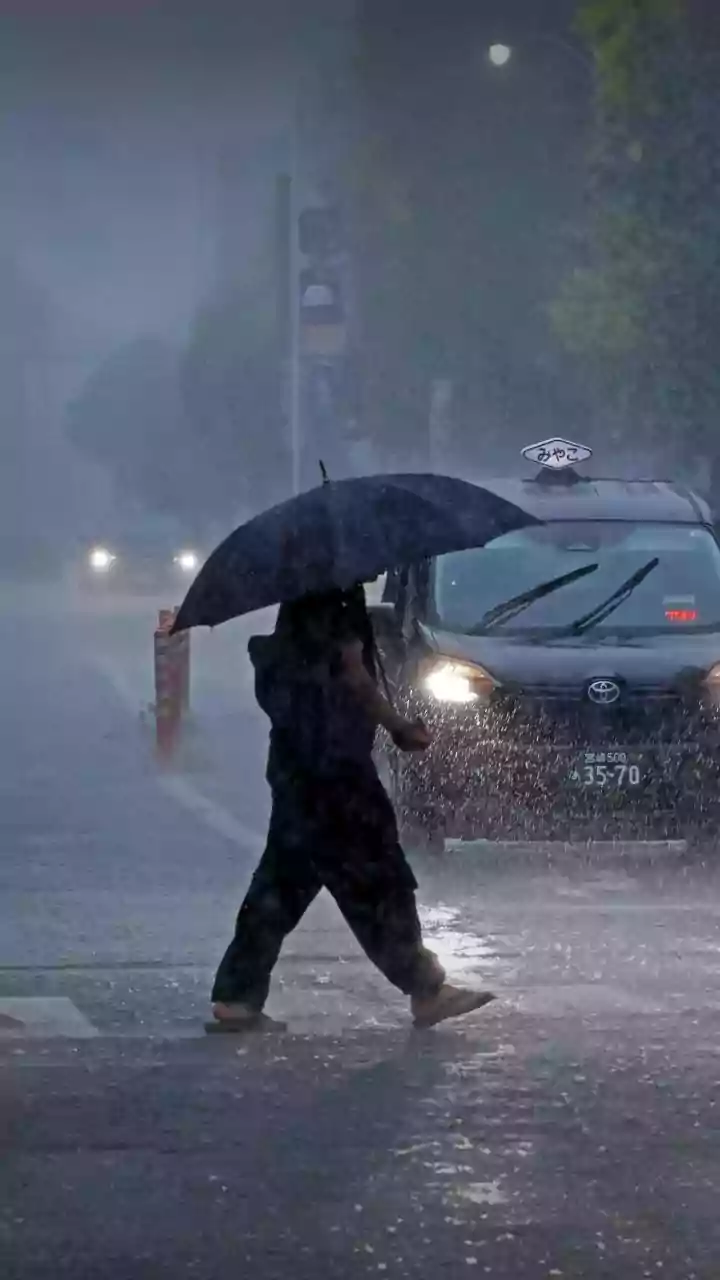
Beyond sheer traffic volume, there are many real-world variables that navigation apps don't fully account for. Poor weather, for example, can dramatically slow down traffic, but its impact is hard for an algorithm to quantify precisely. The quality of the road itself is another factor; a smooth national highway is very different from a winding, pothole-ridden state road, even if the speed limit is technically the same. In rural or remote areas, there may be fewer users providing real-time data, making the app’s traffic predictions less reliable. You also have the 'unpredictables': a local market day causing congestion in a small town, a festive procession blocking a key road, or sudden diversions due to localised issues. An ETA is a sterile calculation; it doesn't account for the colourful, chaotic reality of the open road.
Building a Smarter, Realistic Itinerary
Relying solely on a single ETA is a recipe for stress. Instead, use it as a starting point and build a more robust plan. First, be realistic and flexible. Acknowledge that delays are not just possible, but probable, especially on a long journey. The most crucial step is to build in a buffer. For every two to three hours of estimated driving, add at least 30-45 minutes of buffer time. For a trip that the app says will take 8 hours, plan for it to take 10. This accounts for food stops, fuel breaks, and unexpected traffic. Before leaving, use your map's feature to set a future departure time to see a more predictive estimate for that day and time. It's also wise to have backup plans for overnight stays in case you fall significantly behind schedule.
Your Pre-Trip Intelligence Checklist
Don't leave everything to one app. Triangulate your information. A day or two before you leave, check for news about your route—are there any announced road closures, protests, or major weather warnings? Talk to friends or check online travel forums for recent experiences on the same route. Local knowledge often trumps algorithms. Consider having a second navigation app like Waze or a national alternative on your phone; sometimes one will have better real-time data than another. And never underestimate the value of a physical map or a downloaded offline map. If you lose your network signal in a remote area, having an analogue or offline backup can be a lifesaver, allowing you to find alternative routes without being completely dependent on technology.