






A Taste of Tradition
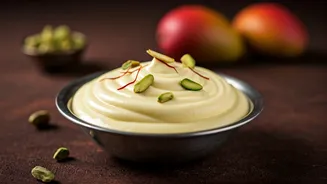
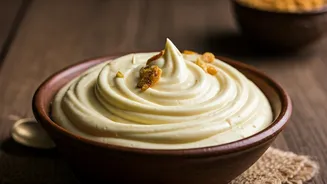
Shrikhand is a beloved dessert with deep roots in western India, particularly in Gujarat and Maharashtra. This deceptively simple dish is made from hung curd (strained yogurt), which gives it a characteristically thick and creamy texture, almost like
a lighter, more ethereal cream cheese. The name itself is believed to be derived from the Sanskrit word 'ksheera' (milk) and the Persian 'qand' (sweet). With a history that may date back to 500 BC, it has been a celebratory staple for centuries, often served during festivals like Gudi Padwa and Janmashtami. Its sweet and slightly tangy profile, enhanced with aromatic spices, makes it a timeless favourite.
Why Is It Trending Now?
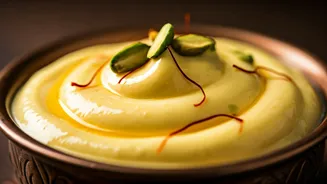
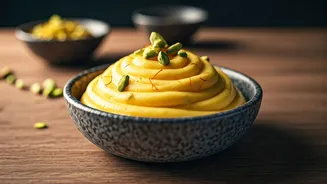
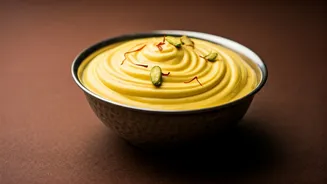
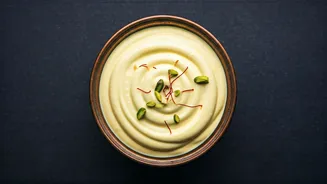
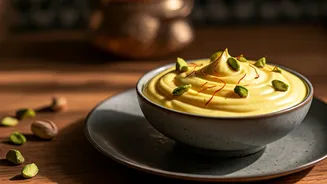
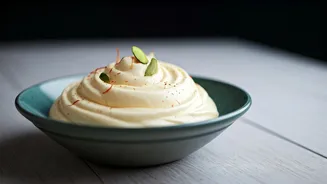
In an age of fleeting digital trends, the resurgence of Saffron Shrikhand is a testament to its enduring appeal. Its vibrant yellow colour, courtesy of the luxurious saffron strands, makes it incredibly photogenic and perfect for social media feeds. Food bloggers and home cooks are drawn to its simple elegance and the comforting nostalgia it evokes. Furthermore, there's a growing movement towards rediscovering and celebrating traditional, homemade recipes. Shrikhand fits perfectly into this narrative—it requires no cooking, uses just a handful of ingredients, and offers a rewarding culinary experience that connects cooks to their heritage.
Your Saffron Shrikhand Toolkit
Before you begin, gather these essential ingredients. The quality of your yogurt is paramount. For the creamiest result, use fresh, full-fat plain yogurt. You will need: 1 kg full-fat plain yogurt (curd) ½ to ¾ cup powdered sugar (adjust to taste) A generous pinch of saffron strands (about 15-20) 2 tablespoons warm milk ½ teaspoon green cardamom powder Chopped pistachios and almonds for garnish (optional) * A large muslin or cheesecloth is also essential for straining the yogurt.
Step-by-Step to Creamy Perfection
The key to perfect shrikhand is properly strained yogurt, known as 'chakka' or hung curd. 1. Prepare the Hung Curd: Place a large strainer over a deep bowl. Line the strainer with a clean muslin cloth. Pour the yogurt into the cloth. Gather the edges, tie them securely, and let it hang in the refrigerator for at least 6-8 hours, or overnight. This allows all the whey (the watery part) to drain out, leaving behind a thick, concentrated curd. You can place a weight on top to speed up the process. 2. Bloom the Saffron: While the yogurt is draining, soak the saffron strands in 2 tablespoons of warm milk. Set it aside for at least 15-20 minutes to allow the saffron to release its beautiful colour and aroma. 3. Whip the Shrikhand: Once drained, transfer the thick hung curd to a mixing bowl. Whisk it well until it is completely smooth and free of lumps. You can use a wire whisk or an electric beater for an extra-creamy texture. 4. Flavour and Sweeten: Add the powdered sugar, cardamom powder, and the saffron-infused milk to the smooth curd. Whisk everything together until the sugar is fully dissolved and the mixture is uniform, creamy, and a pale yellow colour. 5. Chill and Serve: Cover the bowl and chill the shrikhand in the refrigerator for at least an hour. This allows the flavours to meld together. Before serving, garnish with chopped pistachios and almonds. Enjoy it on its own or with hot, fluffy puris.
Tips for Success
To ensure your shrikhand is flawless every time, keep these tips in mind. First, always use full-fat yogurt to achieve the richest, creamiest texture. Second, do not skip the straining process; any remaining whey can make your shrikhand runny. Powdered sugar is preferable to granulated as it dissolves more easily, preventing a grainy texture. Finally, be gentle when mixing. Some traditionalists recommend a 'cut and fold' technique rather than vigorous whisking to maintain the airy texture of the hung curd.