







The Dark Side of 10-Minute Delivery
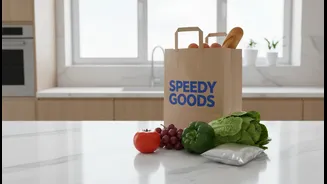
Quick-commerce platforms like Blinkit, Zepto, and Swiggy Instamart operate out of 'dark stores'—small, hyperlocal warehouses designed for speed, not for shoppers. The intense pressure to pack and dispatch orders in minutes can lead to critical lapses
in food safety. Recent regulatory actions and a flood of consumer complaints highlight a worrying trend: the delivery of expired, spoiled, and improperly stored food. In some cases, warehouses have been found to be unhygienic, with items stored improperly and expired goods mixed with fresh stock. The Food Safety and Standards Authority of India (FSSAI) has started to take notice, issuing warnings and notices to major platforms for violations under the Food Safety and Standards Act, 2006. These violations include selling expired products, improper storage, and inadequate grievance redressal.
Your At-the-Door Inspection Checklist
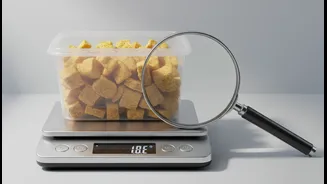
Before you even let the delivery driver leave, take a moment to perform a quick inspection. This is your best opportunity to reject substandard items. For perishable items like meat, dairy, or cut vegetables, check if they feel cold to the touch. Food that should be refrigerated must arrive at a temperature below 40°F (about 5°C). Inspect the packaging of all items. Reject anything that is damaged, opened, or appears to have been tampered with. For frozen goods, look for visible ice crystals on the product, which could indicate it has thawed and been refrozen. Check the 'manufacture' and 'best before' or 'expiry' dates on all packaged goods, especially dairy, bread, and ready-to-eat meals. FSSAI guidelines suggest delivered products should have a significant portion of their shelf life remaining. Trust your senses: if fruits or vegetables look wilted, bruised, or smell off, it's best to refuse them.
Decoding Expiry and 'Best Before'
Understanding food labels is crucial for safety. The 'Expiry Date' is a hard deadline; consuming food past this date is a safety risk. The 'Best Before' date, on the other hand, is about quality. The food is safest to consume before this date, but may still be edible afterward, though its texture and flavour might decline. For quick-commerce orders, you should receive products with a substantial amount of time left before either of these dates. Some platforms have been accused of practices like removing items from refrigeration weeks before expiry to make them appear fresh, which accelerates spoilage. Always check these dates and don't accept items that are too close to their expiration.
Smart Storage After Delivery
Once you accept the delivery, proper storage is key to maintaining food safety. Unpack and refrigerate all perishable items immediately. Germs can multiply rapidly in the 'danger zone' between 5°C and 60°C. Store raw meat, poultry, and seafood on the bottom shelf of your fridge to prevent their juices from dripping onto and contaminating other foods. Keep fruits and vegetables separate, as some fruits produce ethylene gas which can cause other produce to ripen and spoil faster. When storing items, practice the 'First In, First Out' (FIFO) method that warehouses are supposed to use: place new items at the back and bring older items to the front to ensure they are used first.
How to Report an Issue Effectively
If you discover a problem after the delivery—such as spoiled food or an expired product—don't just accept a refund and move on. Taking further steps helps improve the system for everyone. First, take clear photos of the product, the packaging, the expiry date, and the bill. Use the app's customer service function to report the issue, providing all the evidence you have collected. Many consumer complaints note that platforms sometimes only offer a refund without addressing the safety concern. If you are not satisfied with the response, you have the right to escalate the matter. You can file a complaint with your local Food Safety Officer (FSO) or use the FSSAI's 'Food Safety Connect' app. For unresolved issues, you can also file a formal complaint with the National Consumer Helpline or on the e-daakhil portal.