







An Anxious Wait for Rain
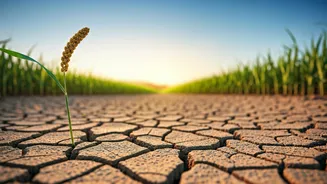
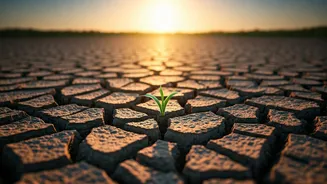
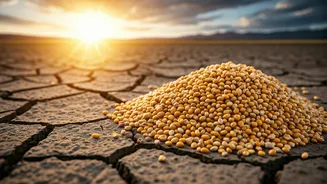
The Indian summer monsoon, the lifeblood for nearly half of the country's farmland, has had a worryingly weak start in 2026. By mid-June, rainfall was significantly below normal, and the India Meteorological Department (IMD) has forecasted that the crucial
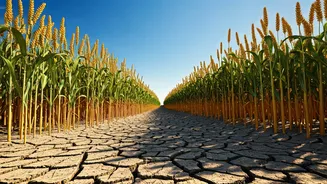
June-to-September season could be 'below-normal', receiving only about 90% of the long-period average. The primary culprit is a developing El Niño, a climatic pattern known to weaken monsoon rainfall over India. With nearly 75% of the country's landmass experiencing an acute rainfall deficiency by late June, concerns are mounting over sowing delays for essential crops, food inflation, and the depletion of water reservoirs.
The Return of an Ancient Super-Grain
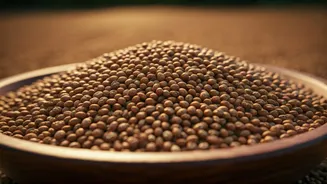
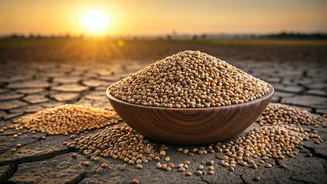
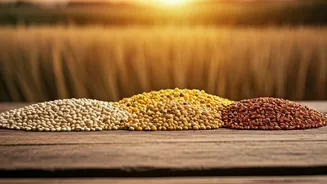
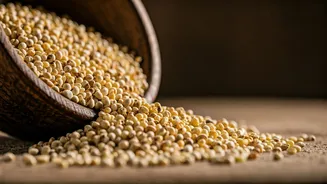
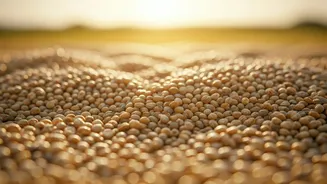
Amid these climate-driven anxieties, a powerful solution is being rediscovered: millets. Known in India as 'Shree Anna', this diverse group of small-seeded grasses, including jowar (sorghum), bajra (pearl millet), and ragi (finger millet), were a dietary staple for centuries. These are not just any crops; they are what experts call 'climate-smart'. Millets are exceptionally resilient, capable of growing in arid, low-rainfall areas and withstanding high temperatures. They require significantly less water than thirsty crops like rice and wheat and need fewer fertilisers and pesticides, making them a win for both the environment and for farmers with limited resources.
More Than Just Drought-Proof
The benefits of millets extend far beyond their climate resilience. Nutritionally, they are powerhouses. Often called 'nutri-cereals', they are rich in protein, dietary fibre, vitamins, and essential minerals like iron, calcium, and magnesium. Many millets have a low glycemic index, making them beneficial for managing blood sugar levels, and they are naturally gluten-free. For farmers, especially smallholders, the lower input costs can mean greater financial security and reduced risk in an era of increasingly unpredictable weather. The revival of these grains offers a pathway to enhancing not just food security, but nutritional security for millions.
A Push from Policy and Plate
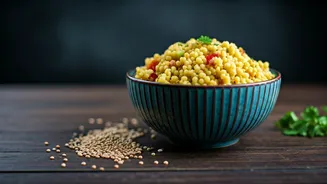
This resurgence is not happening by chance. The Indian government has been actively promoting millets through a multi-pronged strategy. Following the successful UN-designated International Year of Millets in 2023, momentum has continued to build. Initiatives like the National Food Security Mission provide incentives for millet cultivation, and states like Odisha, Rajasthan, and Karnataka have launched their own 'Millet Missions'. Millets are being integrated into the Public Distribution System (PDS) and mid-day meal schemes, creating a stable demand. This policy push is matched by growing consumer awareness, with startups and food companies introducing a range of modern, value-added millet products, from breakfast cereals to ready-to-cook meals.
Challenges on the Road to Revival
Despite the clear advantages and growing momentum, the path to mainstreaming millets is not without hurdles. After decades of decline, rebuilding the entire value chain—from seed supply to processing and marketing—is a significant undertaking. While government data for June 2026 shows a promising increase in acreage for millets like bajra, ensuring that farmers find cultivation consistently profitable is key to sustaining this trend. Overcoming entrenched consumer preferences for rice and wheat and ensuring that millet products are accessible and affordable for all will be crucial for the movement to achieve its full potential.