



The Modern ‘Fibre Gap’ in Our Kitchens
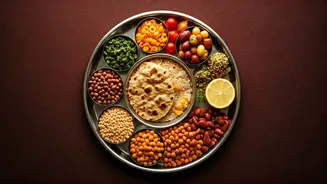
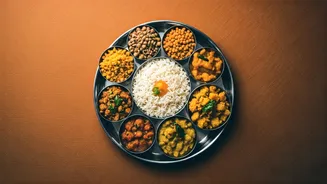
Traditionally, Indian meals were naturally high in fibre. Our plates were balanced with whole grains, lentils, and a generous portion of vegetables. However, modern life has created a significant 'fibre gap'. An increased reliance on refined grains like
white rice and maida, smaller vegetable portions, and the rise of processed convenience foods mean many of us are consuming less than half the recommended daily fibre intake. This shift isn't just a number on a nutritional chart; it impacts everything from our digestion and blood sugar levels to our overall energy and well-being. While our cuisine has the right foundations, our current habits are letting us down.
Reclaiming Our High-Fibre Heritage
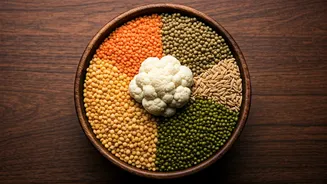
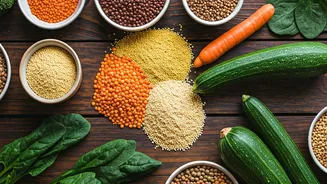
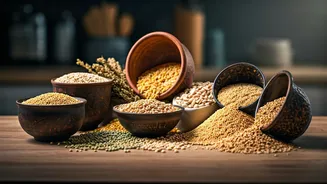
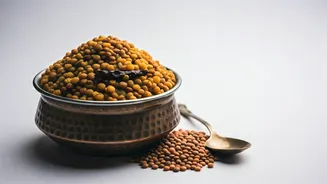
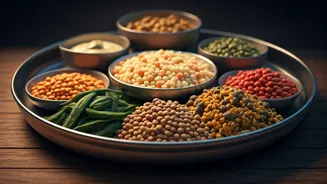
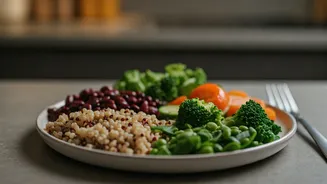
The good news is that we don’t need to look for exotic superfoods to fix this. Our own culinary heritage is packed with high-fibre heroes. Millets like jowar (sorghum), bajra (pearl millet), and ragi (finger millet) were staples long before they became a global trend. These grains are powerhouses of nutrition, offering not just fibre but also essential minerals. Lentils and legumes, the soul of dal and countless curries, are incredibly rich in both soluble and insoluble fibre. From rajma and chana to the humble moong dal, these are everyday ingredients that can easily boost our fibre intake. The solution lies not in abandoning our food, but in consciously re-embracing its most wholesome elements.
Simple Swaps for an Instant Fibre Boost
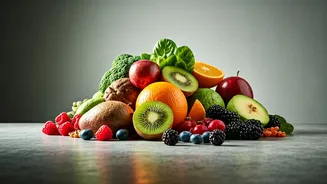
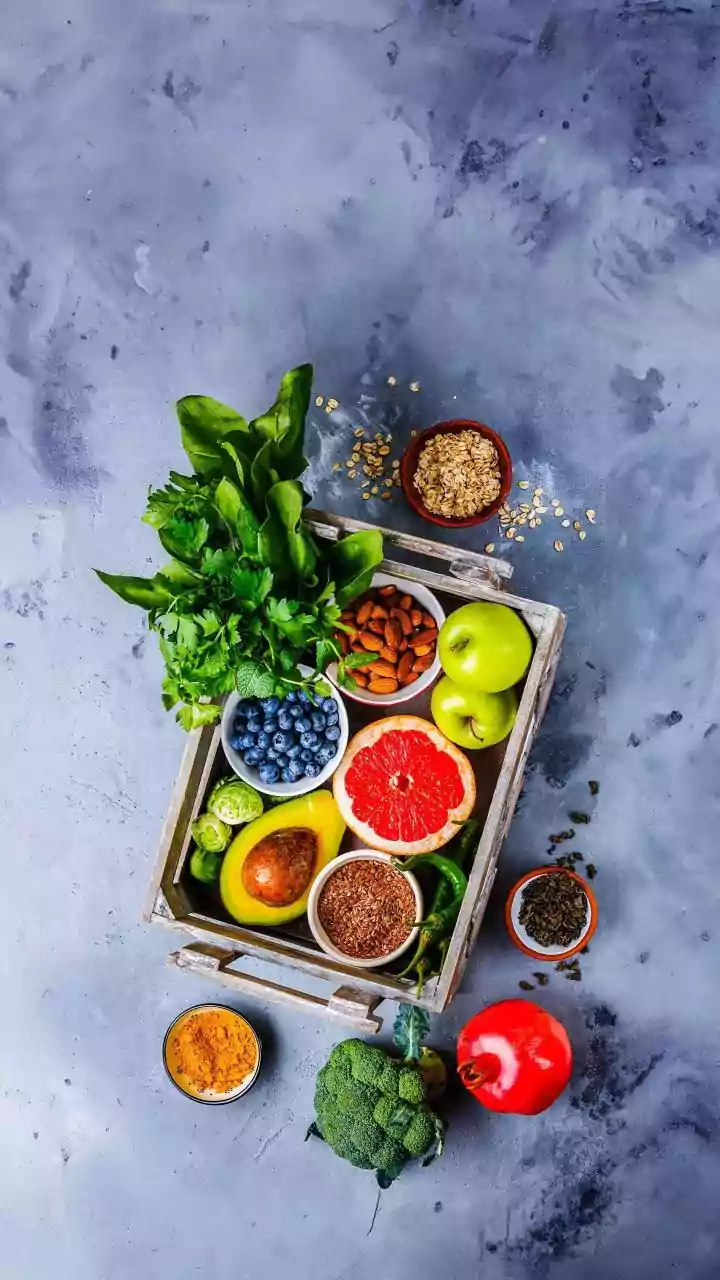
Boosting your daily fibre intake doesn't require a complete diet overhaul. Small, consistent changes can make a huge difference. Start by swapping refined grains for their whole counterparts. Use brown rice instead of white, and opt for whole wheat or multigrain atta for your rotis. When making breakfast, add a handful of vegetables like peas and carrots to your poha or upma. Another easy win is to eat your fruits whole instead of juicing them; an orange has significantly more fibre than its juice. Finally, make friends with seeds. Sprinkling a teaspoon of flaxseeds or chia seeds into your curd, smoothies, or salads is a nearly unnoticeable change that adds a powerful fibre punch.
Beyond Swaps: Creative Recipe Ideas
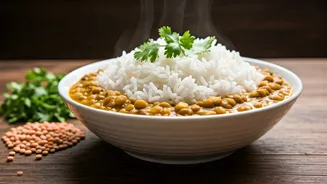
Better fibre-forward food is not just about substitution; it's about innovation. We need recipes that are both healthy and genuinely delicious. Instead of a standard khichdi, try a version made with mixed millets and loaded with vegetables for extra texture and nutrients. Reimagine snacks by making tikkis from spinach and masoor dal instead of just potatoes. You can create a flavourful and satisfying Dahi Bhindi, where the fibre-rich okra is cooked in a spicy yoghurt gravy. For breakfast, move beyond basic oats porridge and try a savoury Oats Upma or a moong dal chilla stuffed with grated paneer and vegetables. Even classic dishes can get a fibre upgrade. A Palak Dal Khichdi combines the goodness of leafy greens with the comfort of a one-pot meal, making it both nourishing and convenient.