





The Rise of the Fourth Meal
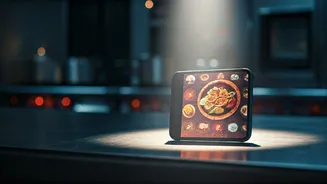
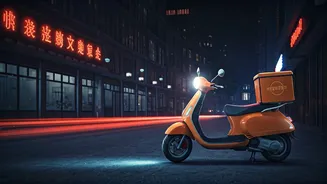
The traditional dinner hour is no longer the final word on food. Across India's urban centres, a new eating occasion has firmly taken root: the late-night meal. Food delivery platforms report that orders placed between 11 pm and 3 am are surging, with
late-night delivery volumes having doubled in the last year alone. This isn't merely a fleeting trend; it's a significant behavioural shift. What was once a niche market for all-night diners and desperate hostelites is now a booming battleground for food tech giants. This growth has been particularly pronounced recently, with events like the FIFA World Cup causing a 12-15% spike in orders as fans tune into late-night matches. However, the foundation for this growth was laid long before, reflecting a fundamental change in urban lifestyles.
Who is the 2 AM Customer?
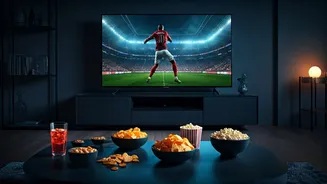
The profile of the late-night diner is diverse, but patterns have emerged. A large portion of this crowd consists of young, urban Indians—students pulling all-nighters, professionals in the tech and service industries working flexible hours, and avid binge-watchers deep into a new series. Industry leaders have noted that the sleep schedule for many young consumers has shifted, with 2 or 3 am becoming the new midnight. This demographic treats the post-dinner window as primetime for both entertainment and consumption. Gaming events and international sports tournaments, which are often broadcast late at night in India, also create predictable surges in demand from friends gathering to watch.
On the Late-Night Menu
When hunger strikes after midnight, comfort and convenience are king. Data from platforms like Swiggy consistently shows that pizzas and burgers are the top choices for late-night orders. These are followed closely by perennial favourites like biryani and snackable items such as chicken rolls and momos. Desserts are also carving out a significant slice of the market, with orders for items like choco-lava cakes, ice cream, and donuts growing rapidly. This trend isn't just about satisfying hunger; it's about affordable indulgence. An order of fries or a brownie can be a small, satisfying reward at the end of a long day, a less-committal spend than a full meal. Packaged foods like ice cream and frozen snacks also see demand spike by as much as 40% during late hours.
The App Strategy
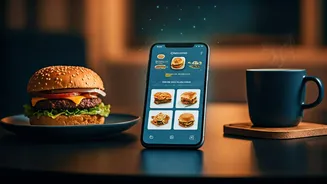
Food delivery apps aren't just responding to this trend; they are actively cultivating it. By analysing vast amounts of user data, platforms can predict demand and ensure restaurants are ready. Companies have expanded their operational hours, with chains like McDonald's and Domino's now delivering until 3 am in many cities. This is supported by an infrastructure of quick-commerce dark stores that can operate 24/7. The apps themselves encourage late-night ordering through dedicated “midnight cravings” sections, special post-dinner discounts, and push notifications timed to hit when your willpower is at its lowest. This strategy transforms a passing craving into a confirmed order, making late-night delivery a core part of their business model rather than an afterthought.
Beyond the Metros
While major cities like Bengaluru, Hyderabad, and Mumbai lead the charge in late-night order volumes, the trend is rapidly spreading to Tier-2 and Tier-3 cities. Places like Surat, Thiruvananthapuram, and Patna are showing robust growth in both the number of late-night orders and the amount spent per order. This expansion signifies that the shift is not just a big-city phenomenon but a broader cultural change driven by increased digital penetration and evolving consumer expectations. While logistical challenges like rider availability in the odd hours remain, the industry is adapting. The market for food services is expanding, not just by adding new users, but by increasing how frequently existing users order, with the late-night window being a key driver of this growth.