






The Old Itinerary: Chasing Photo Opportunities
Not long ago, the ultimate travel goal was to collect passport stamps and photos in front of iconic landmarks. This was the era of 'destination hype,' largely fuelled by social media platforms like Instagram. The perfect shot in a recognisable location
became a form of social currency, driving millions to the same crowded spots. This approach often resulted in surface-level tourism, where the goal was to see a place rather than understand it. The pressure to visit a destination because it was trending led to what some now call 'destination fatigue' or 'overtourism'. Travellers found themselves in long queues for a fleeting moment at a famous site, ticking boxes on a pre-set itinerary that looked remarkably similar to everyone else's.
The New Game Plan: Prioritising Purposeful Moments
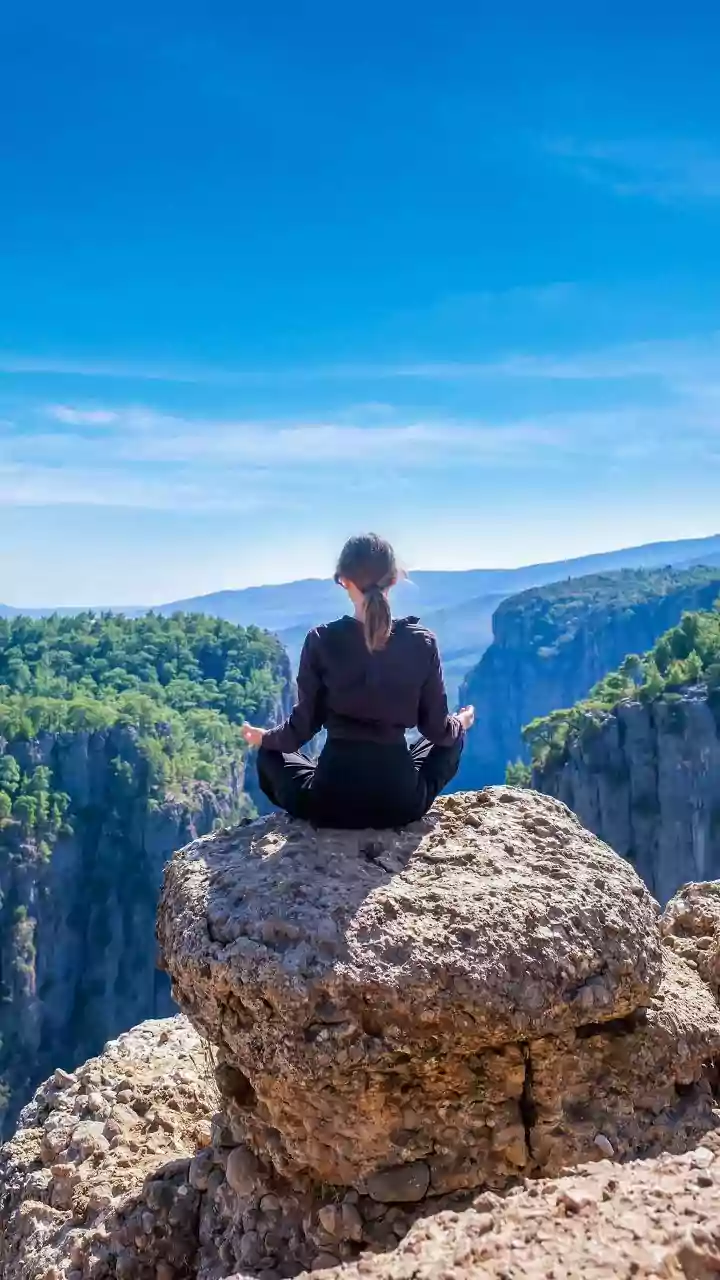
Today, a growing number of travellers are trading the checklist for a different kind of plan: one built around experiences. Experience planning starts not with 'where,' but with 'why'. The focus is on the activities, skills, and connections a trip can offer. Instead of just going to Italy, the goal becomes learning to make pasta from a local chef in a small Tuscan village. In India, this trend is seeing travellers look beyond a quick tour of Jaipur for a block-printing workshop or swapping a crowded Goa beach for a serene wellness retreat. This shift is significant, with the experiential travel market projected to grow into a multi-trillion dollar industry, becoming one of travel's fastest-growing segments.
What's Driving This Shift in Mindset?
Several factors are fuelling this change. The post-pandemic era prompted a global reassessment of priorities, with many people seeking more meaningful connections and personal growth from their time off. Burnout and digital saturation have also played a role, leading travellers to seek trips that restore their attention rather than fragment it further. There's a rising desire for authenticity, moving away from mass-produced tourism towards genuine cultural immersion. For Indian travellers, reports show a clear pivot towards mindful travel, unique local souvenirs, and supporting small businesses. Sustainability has also become a key consideration, with travellers more aware of their environmental and community impact.
From Sightseeing to 'Sight-Doing'
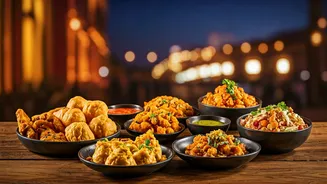
This new approach is about active participation over passive observation. A 2026 American Express report labels this trend 'sight-doing,' highlighting that travellers, especially Millennials and Gen Z, want hands-on activities. This could mean attending a music festival, taking a culinary tour, or joining a guided hike. The data shows a clear preference for spending on unique activities rather than simply a nicer hotel room. This extends to how trips are planned; many now start their search with a 'vibe' or feeling they want to achieve, like rest or connection, and then find a destination that facilitates it. Even social media's role is evolving, from just showcasing destinations to helping travellers discover hidden gems and unique local experiences off the beaten path.