




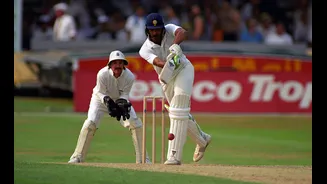
The Setting for a Masterstroke
The date was April 2, 2011. Sri Lanka had posted a challenging 274, thanks to a sublime century from Mahela Jayawardene. India's chase began disastrously, with both openers back in the pavilion with the score at just 31. A steadying partnership between
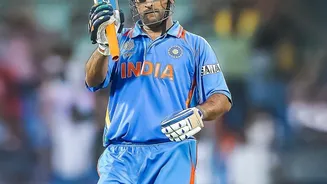
Gautam Gambhir and Virat Kohli rebuilt the innings, but when Tillakaratne Dilshan took a stunning return catch to dismiss Kohli for 35, India was precariously placed at 114 for 3. The match was on a knife's edge. The next man in was expected to be Yuvraj Singh, the tournament's star performer and Player of the Series, who had been in scintillating form. Instead, to the surprise of millions watching, captain MS Dhoni walked down the stairs, a decision that would become a defining moment in cricket history.
The Tactical Reason: Countering Murali
The primary reason for the promotion was a calculated tactical move against Sri Lanka's greatest weapon: Muttiah Muralitharan. The legendary off-spinner was in the middle of his spell. Dhoni, a right-handed batsman, felt he was better equipped to handle Muralitharan's off-breaks than the left-handed Yuvraj Singh. An off-spinner's delivery naturally spins away from a left-hander, making it harder to score freely and increasing the risk of an edge. For a right-hander like Dhoni, the ball would spin into his body, making it easier to play. Dhoni himself later confirmed this thinking. He stated he was confident facing Murali, having played him extensively in the Chennai Super Kings nets during the IPL. This familiarity gave him the belief that he could negate Murali's threat and keep the scoreboard ticking, a crucial factor in a high-pressure chase. Some accounts also suggest Sachin Tendulkar had proposed the idea of maintaining a left-right batting combination to disrupt the rhythm of Sri Lanka's two off-spinners.
The Psychological Shield
Beyond pure tactics, the decision was a masterclass in man-management. Yuvraj Singh, despite his incredible form throughout the tournament, had historically struggled against Muralitharan. In fact, Yuvraj has named Murali as the toughest bowler he ever faced. By promoting himself, Dhoni shielded his most in-form player from a difficult match-up at a critical juncture. Had Yuvraj fallen cheaply, the pressure on the remaining batsmen would have been immense, potentially triggering a collapse. Dhoni absorbed that pressure himself, allowing Yuvraj to come in later against the pacers, a match-up that suited him better. It was a captain's move to not only counter the opposition but also to protect and optimally utilize his own key player, ensuring he was in the best possible position to succeed.
A Captain's Unshakeable Self-Belief
The decision was made even bolder by Dhoni's own form leading up to the final. He had a quiet tournament with the bat, with a highest score of just 34. Promoting himself ahead of the Player of the Tournament was a monumental gamble on his own ability to perform when it mattered most. In the post-match presentation, Dhoni admitted he had a point to prove to himself and that the pressure of his big decisions motivated him. By taking on the responsibility at the most crucial moment, he sent a powerful message to his team and the opposition. This wasn't just a tactical switch; it was the ultimate act of leading from the front. Then-coach Gary Kirsten and mental conditioning coach Paddy Upton both confirmed the decision was entirely Dhoni's, made with a simple knock on the dressing room window and a nod of confirmation. It was the mark of a leader with supreme confidence in his own game-reading ability and temperament.