




Harness the Power of Google Maps Lists
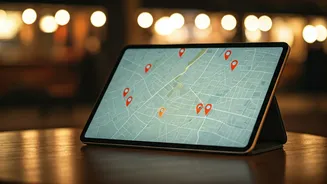
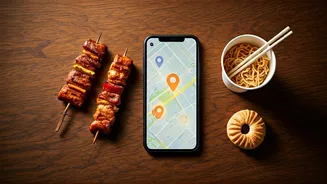
Your first and most powerful tool is likely already on your phone. Google Maps is more than just a navigation app; it’s a crowdsourced library of local knowledge. Food bloggers, culinary experts, and passionate locals often compile and share public 'Lists'
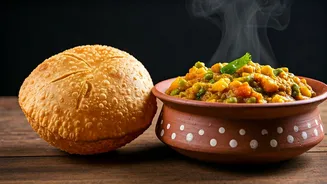
of their favourite spots. To find them, simply open Google Maps and search for terms like 'Delhi hidden street food,' 'Chandni Chowk food trail,' or 'best chole bhature in Delhi.' Navigate to the 'Saved' tab and scroll down to find lists created by others. These are invaluable because they are often hyper-specific, with notes on what to order and the best time to visit. A well-curated list from a trusted Delhi food blogger is like having a local expert guiding you through the city's labyrinthine lanes, pointing you directly to that one-man stall selling the crispiest aloo tikkis you've ever had.
Explore Dedicated Food Discovery Platforms
While general map apps are great, specialised food discovery apps and websites offer a more curated experience. Platforms designed for foodies often feature user-generated reviews, photos, and ratings specifically for street food vendors. These apps allow you to filter by cuisine, locality, and even specific dishes. Many have dedicated sections for 'street food,' 'hidden gems,' or 'local favourites.' The biggest advantage here is the community aspect. You can see recent reviews that confirm if a vendor is still operating and maintaining quality. Some platforms even collaborate with food influencers to create verified 'collections' or 'trails' that you can follow. This is perfect for a structured food walk, helping you hop from one celebrated vendor to the next without getting lost or overwhelmed by choice.
Use Instagram as a Visual Food Map
Instagram is a visual feast, and for a foodie, it can be a treasure map. Instead of just scrolling, use its search functions strategically. Start by following prominent Delhi food bloggers and notice the vendors they tag. Use the 'Places' tab in the search function to explore a specific market or neighbourhood, like Kamla Nagar or Chittaranjan Park. When you tap on a location, you’ll see a feed of all the public posts tagged there. Look for photos of obscure food stalls that appear repeatedly with glowing captions. You can also search for hashtags like #DelhiStreetFood, #HiddenGemsDelhi, or #OldDelhiFood. When you find an interesting post, check if the vendor has a location tag. You can then save these locations to your own collection on Instagram, effectively building a personalised food map based on visual recommendations from people who have actually eaten there.
Follow Digital Food Trails and Blogs
Many dedicated food journalists and bloggers have done the hard work for you. They spend weeks, if not months, exploring neighbourhoods to create comprehensive guides. Websites like LBB (Little Black Book) Delhi or articles in publications like The Hindu or NDTV Food often feature detailed street food trails complete with interactive maps or precise location details. These articles are more than just lists; they provide context, telling the story behind a vendor who might have been serving the same recipe for three generations. Searching for 'Delhi food walk map' or 'Old Delhi food guide' will yield numerous blog posts and articles. These resources are a fantastic starting point because they combine expert curation with the practical information you need to find the stall, including landmarks, timings, and must-try dishes. They help you navigate the chaos with a clear plan, turning a potentially intimidating experience into a delightful adventure.