


Understanding the Monsoon's Dangers
Trekking in the monsoon is a unique experience, but it carries inherent risks that are magnified during this season. The primary dangers are not just the rain itself, but its consequences. Slippery trails, especially on rock faces, dramatically increase
the risk of falls. Swollen streams and rivers can become impassable or dangerously fast-flowing, while poor visibility due to mist and heavy rain can easily lead to disorientation. The most severe threat is landslides, a recurring phenomenon in the Ghats. Recent heavy rainfall in early August has already triggered landslides and flooding in parts of Kerala, including Idukki and Wayanad, prompting red alerts and tourist bans in some areas. Even with a forecast for a 'below-normal' monsoon overall this year, localised, intense downpours can saturate the soil and destabilise slopes.
Check Official Advisories Before You Leave
Your first step before any monsoon trek should be to check for official guidance. Local district administrations and Forest Departments are the most reliable sources for real-time information. Many trekking routes, especially in ecologically sensitive or high-risk zones, may be closed to the public during periods of heavy rain. For example, recent downpours in Kerala led to the closure of all District Tourism Promotion Council (DTPC) managed spots in Idukki. Websites of the state disaster management authorities (like the KSNDMC in Karnataka) and the India Meteorological Department (IMD) provide daily weather updates and warnings. Do not rely on information from weeks ago; check for advisories issued within 24-48 hours of your planned departure, as conditions can change rapidly. Also, be aware that security is often heightened around Independence Day, which can affect access and travel plans in some areas.
Choosing a Safer Trail
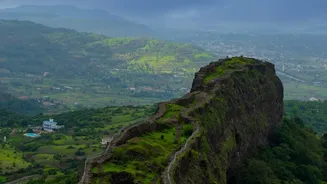
Route selection is the single most important safety decision you will make. Some trails are simply not suitable for monsoon conditions. Avoid routes known for near-vertical climbs, narrow gullies prone to flash floods, and trails with multiple deep-stream crossings. Treks like Harihar Fort or Harishchandragad's Nalichi Vaat are considered high-risk during heavy rain. Instead, opt for gradual fort trails with wider paths. Safer bets in Maharashtra often include Lohagad, Visapur, and the Lonavala route to Rajmachi. In Karnataka, trails like Mullayanagiri or Kudremukh can be good options, though you must verify their current status. For beginners, well-managed trails like Chembra Peak in Kerala, with its guided entry system, can offer a safer experience when weather permits. Always choose a trail that matches your group's fitness and experience level.
Essential Gear and What to Wear
Dressing appropriately is non-negotiable. Cotton clothing is a poor choice as it absorbs water and stays wet, increasing the risk of hypothermia. Opt for quick-drying synthetic fabrics. A reliable, lightweight rain jacket or a full-body poncho is essential. The most critical piece of gear is your footwear. Sturdy trekking shoes with deep grooves for grip are mandatory to prevent slips and falls on muddy, rocky terrain. A trekking pole can provide an extra point of contact and significantly improve stability. Protect your electronics and valuables in waterproof dry bags or zip-lock pouches. Also, carry a basic first-aid kit with antiseptic, bandages, and medication for common ailments. Given the prevalence of leeches, carrying leech socks or a small bag of salt is a wise precaution.
On-Trail Safety Protocols
Never trek alone in the monsoon. Always go with a group or a certified local guide who understands the terrain and weather patterns. Before you start, inform a reliable contact back home about your detailed itinerary and expected return time. Stick to marked trails and avoid taking shortcuts, which can be unstable and lead to you getting lost. Start your trek early in the day to avoid being caught on the trail after dark. When crossing streams, look for the widest, shallowest point. If a stream is raging, do not attempt to cross it; wait for the water level to recede or turn back. Be especially cautious while taking photos, as many accidents occur when people get too close to cliff edges or waterfalls for a risky shot. Your safety is more important than any picture.