



Plan Your Meals Weekly
The single most effective way to control your grocery spending is to plan your meals before you shop. Spend 30 minutes each weekend outlining what your family will eat for breakfast, lunch, and dinner. This helps you create a precise shopping list, preventing
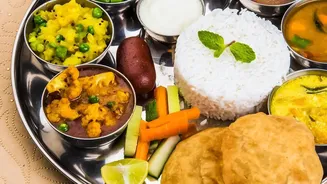
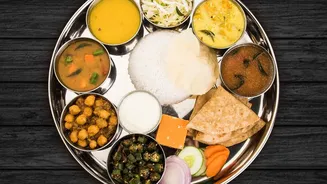
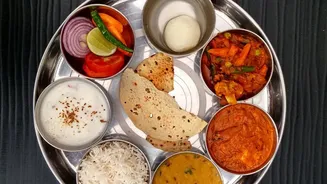
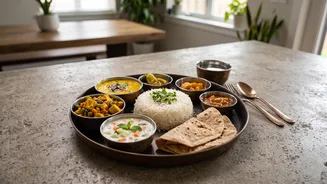
impulse buys of items you don't need. Planning also ensures you use the ingredients you already have in your pantry and fridge, which is the first step to reducing waste. A simple plan might include dal, rice, and a seasonal sabzi for most lunches, with specific dishes like rajma or chole scheduled for certain days.
Embrace Seasonal and Local Produce
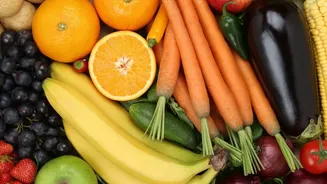
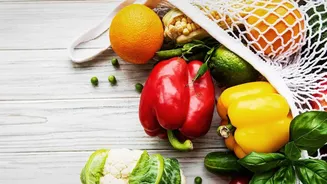
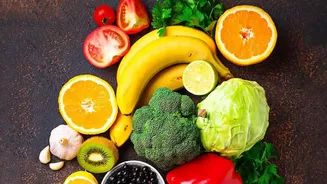
Vegetables and fruits that are in season are not only fresher and more nutritious, but also significantly cheaper. Instead of buying broccoli or bell peppers year-round, build your meals around what's abundant at your local sabzi mandi. Shopping at local markets instead of supermarkets can often save you 30-60% on produce costs. This approach, sometimes called 'reverse meal planning', involves seeing what's affordable and then building meals around it, rather than sticking to a rigid recipe list.
Make Pulses the Hero
In the quest for a balanced diet, protein is key, and pulses are the most budget-friendly source available in India. Dals, chana, rajma, and moong are packed with protein and fibre, forming the backbone of a nutritious and affordable meal. Make it a habit to have at least one pulse-based dish every day. Compared to more expensive proteins, a meal centered around dal or legumes is incredibly cost-effective and deeply nourishing. You can even stretch more expensive ingredients like paneer or meat by combining them with lentils.
Shop Smarter, Not Harder
Adopt a few smart habits to get more value from your shopping trips. First, never shop when you're hungry; this makes you more likely to buy unhealthy and expensive snacks. Second, buy staples like rice, atta, and dals in bulk if you have proper storage, as the per-unit cost is often 5-15% lower. However, avoid buying perishable items in large quantities, as waste negates any savings. Finally, compare the unit price (price per 100g or per kg) rather than just the shelf price to see which product is truly the best value.
Master Your Kitchen Storage
How you store your groceries directly impacts how long they last. Food waste is wasted money. Store leafy greens like coriander and spinach by washing, drying, and keeping them in a container lined with a paper towel. Keep onions and potatoes in a cool, dark place, but store them separately to prevent sprouting. For dry goods like grains and pulses, airtight jars are essential to keep them free from pests and moisture. Adopting a 'First-In, First-Out' (FIFO) system—using older items before new ones—ensures nothing gets pushed to the back of the fridge and forgotten.
Get Creative with Leftovers
Throwing away leftovers is like throwing away cash. With a little creativity, yesterday's meal can become today's star dish. Leftover rice can be quickly turned into delicious fried rice or lemon rice. Extra dal can be thinned into a simple soup or used to make dough for parathas. Stale chapatis can be cut into strips and stir-fried with spices and vegetables to create a tasty noodle-like dish. Thinking of leftovers not as waste but as ingredients for the next meal is a fundamental shift that saves money and honours the food you've purchased.
Reduce Packaged and Processed Foods
A significant portion of many grocery budgets is spent on packaged snacks, biscuits, juices, and ready-to-eat meals. These items offer low nutritional value for a high price. Cutting back on these can dramatically lower your bill. Instead of packaged juices, opt for whole, seasonal fruits. Swap expensive snacks for healthier, cheaper alternatives like roasted chana, peanuts, or homemade popcorn. Cooking at home from basic ingredients gives you full control over your budget and your family's health.