




The Rise of Monsoon-Specific Destinations
Traditionally, the monsoon was considered the 'off-season' for tourism in many parts of India. Not anymore. A significant shift has occurred where travellers are specifically seeking out destinations that come alive in the rain. Places in the Western
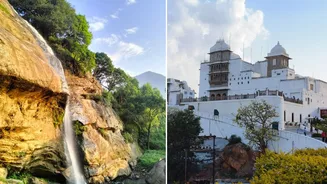
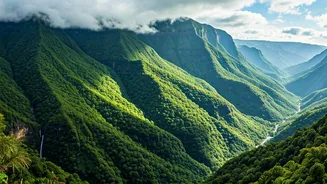
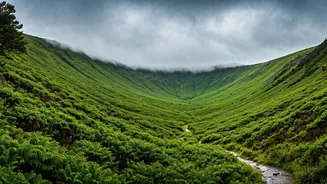
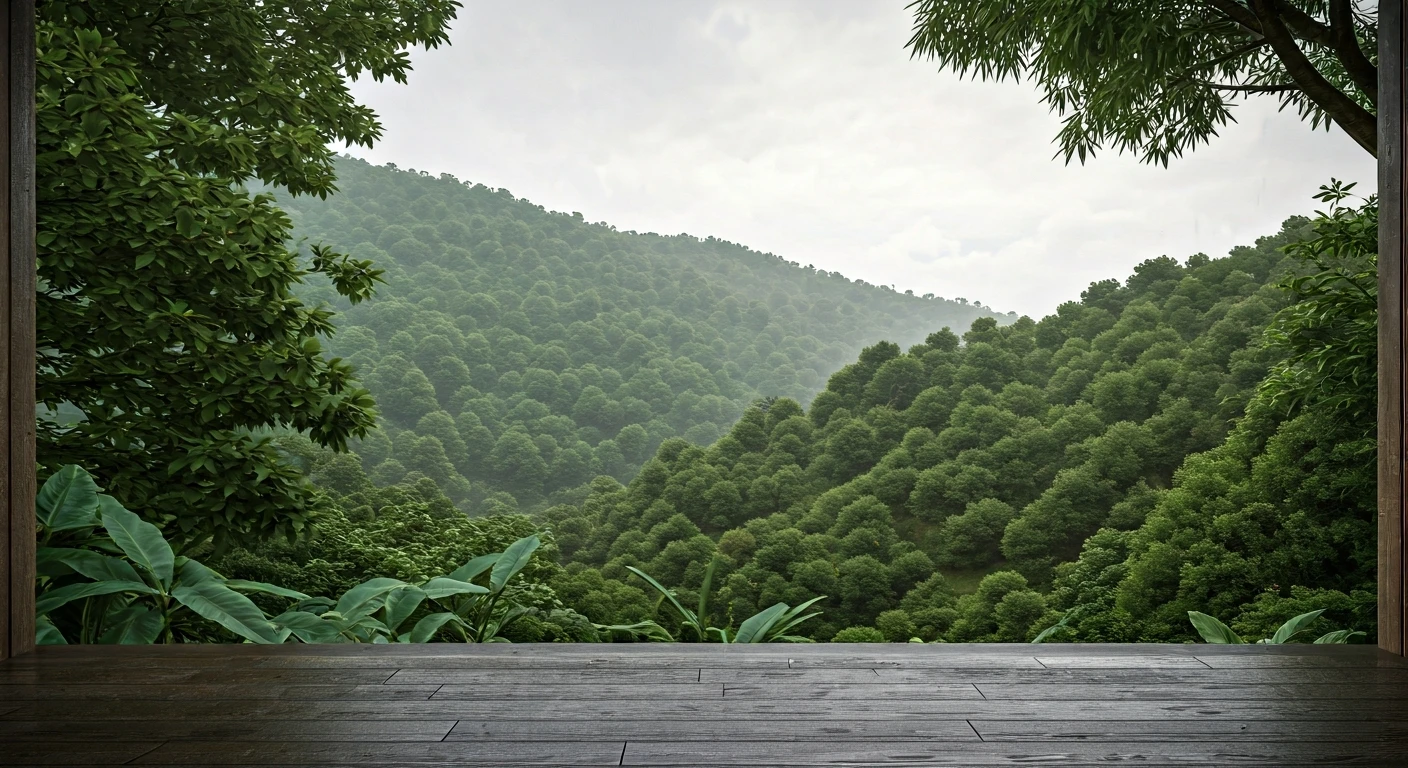
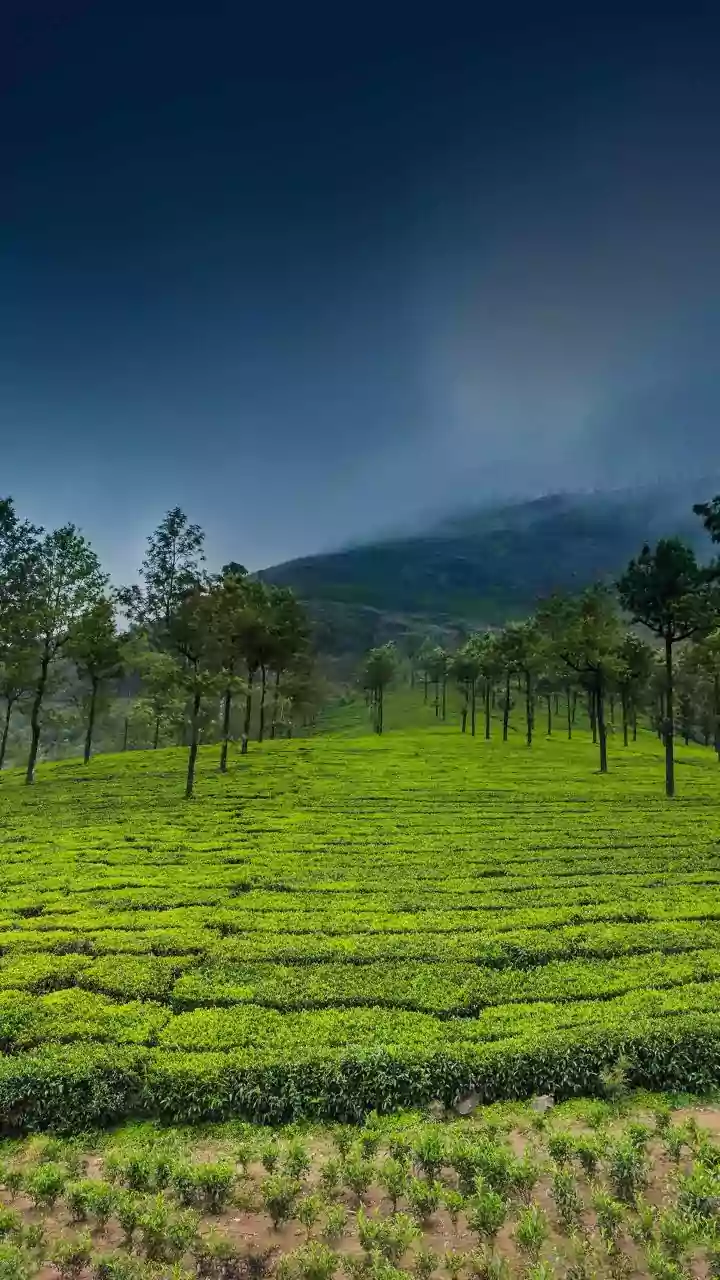
Ghats like Lonavala, Mahabaleshwar, Munnar, and Coorg witness a massive surge in visitors. The appeal is the dramatic transformation of the landscape: dry hills turn into vibrant green carpets, waterfalls cascade with full force, and the air is fresh and cool. Instead of avoiding the rain, tourists are chasing it to see nature at its most lush and dramatic. Similarly, cities in Rajasthan like Udaipur and Bundi, known for their lakes, become exceptionally romantic and draw crowds that prefer the rain-washed palaces to the scorching summer heat.
The Weekend 'Drivecation' Boom
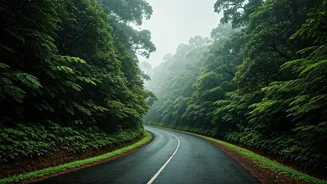
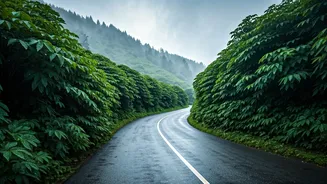
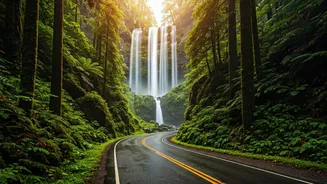
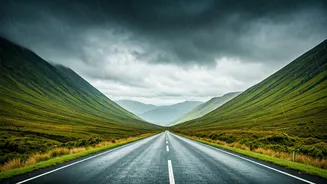
The unpredictability of heavy rains and potential for flight disruptions has fuelled a boom in short, driveable holidays. Urban dwellers in cities like Mumbai, Delhi, Bengaluru, and Chennai are opting for 'drivecations'—short road trips to nearby resorts, farmhouses, or boutique hotels. This trend allows for flexibility; a trip can be planned or cancelled at the last minute depending on weather forecasts. It also taps into the simple joy of a long drive through misty, rain-swept highways. This has led to the mushrooming of high-quality accommodation options within a two-to-four-hour driving radius of major metropolitan areas, all catering to the weekend crowd looking for a quick escape from city life.
Wellness and Ayurveda Retreats Flourish
According to ancient Ayurvedic wisdom, the monsoon season is the ideal time for rejuvenation therapies. The cool, moist atmosphere is believed to make the body more receptive to treatments like Panchakarma. This has redefined monsoon travel for those seeking health and wellness. Kerala, the heartland of Ayurveda, becomes a prime destination. Wellness retreats and resorts see a spike in bookings from both domestic and international tourists who use their vacation time for detoxing and healing. The serene, rain-filled environment complements the calming nature of these therapies, making it a holistic experience that goes beyond simple sightseeing.
Adventure Travel Gets a Rainy Makeover
For the adrenaline junkies, the monsoon is no longer a barrier but a new playground. Adventure sports have been adapted for the season, giving rise to activities like 'monsoon trekking'. Trails that are popular in other seasons offer a completely different challenge and beauty amidst the rain, with trekkers navigating slippery paths to witness cloud-covered peaks and gushing streams. Activities like waterfall rappelling, where one descends down a rock face alongside a roaring waterfall, have gained immense popularity in regions like the Sahyadris in Maharashtra. Even white-water rafting on rivers swollen with rain offers a more thrilling experience, drawing adventure seekers to places like Rishikesh, provided conditions are deemed safe by operators.
The 'Cozy Getaway' and 'Work from a Hill Station' Trend
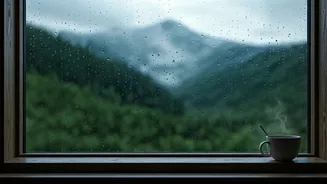
Not all monsoon travel is about being outdoors. A large segment of travellers is redefining their plans around the idea of a 'cozy getaway'. The goal isn't to sightsee but to simply be in a beautiful place. They book villas, cottages, or hotel rooms with great views, armed with books, board games, and a desire to enjoy the rain from a comfortable balcony with a hot cup of chai. This is about experiencing the 'romance of the rain' without being soaked by it. Furthermore, with the rise of flexible work arrangements, many are swapping their city apartments for long-stay rentals in hill stations, combining their workdays with misty mountain views and rain-soaked evenings, effectively merging work and leisure in a new, appealing way.