


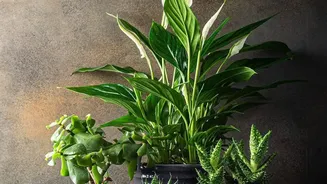
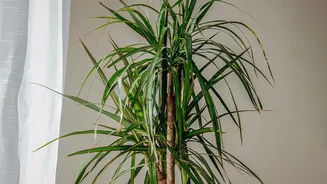
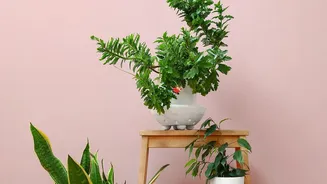
The Popular Belief: A Green Lung in Every Room
The idea that houseplants are powerful air purifiers became famous thanks to a 1989 NASA study. The research showed that certain plants could remove volatile organic compounds (VOCs) like formaldehyde and benzene from the air. These are chemicals often
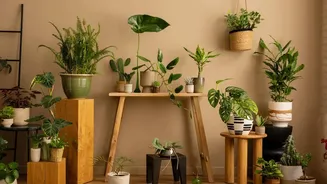
found in everyday household items like furniture, paint, and cleaning supplies. The study was exciting and led to countless articles and lists recommending specific plants—like spider plants and peace lilies—as essential tools for a healthy home. The message was simple: more plants equals cleaner air. This belief has persisted for over 30 years, shaping how many of us decorate our living spaces with the dual purpose of aesthetics and health.
The Scientific Reality: It's All About Scale
Here’s the catch: the NASA study was conducted in a sealed, controlled chamber, an environment very different from the average home or office. Our living spaces are much larger and have constant air exchange with the outdoors, a process that naturally dilutes pollutants. More recent analyses have put the original findings into perspective. Researchers have calculated that to replicate NASA's results in a typical 1,500 square-foot home, you would need a staggering 680 plants. Other estimates suggest you'd need anywhere from 10 to 1,000 plants per square metre of floor space to effectively compete with a building's natural ventilation. The simple truth is that a few potted plants on a windowsill, while lovely, just don't have the horsepower to significantly clean the air in a room. The effect is real, but so small it's almost negligible.
So, What Are Plants Good For?
This doesn't mean you should get rid of your houseplants. While they may not be the air-purifying powerhouses we once thought, they offer a host of other proven benefits that are arguably more impactful on our daily well-being. Science strongly supports the psychological and emotional benefits of being around plants. Studies have shown that interacting with indoor plants can lower stress, reduce blood pressure, and improve mood. The act of caring for a living thing provides a sense of purpose and a connection to nature, which is especially important in our screen-heavy, urban lives. They can make us feel calmer, more focused, and happier. In hospital settings, the presence of plants has even been linked to better recovery outcomes for patients.
The Best Way to Think About Your Plants
The best way to think about indoor plants is to shift their job description. Instead of viewing them as tireless, green air filters, see them as companions for your mental health. They are living decorations that actively improve your mood and reduce stress. Appreciate them for the beauty, tranquility, and touch of nature they bring into your home. This reframing doesn't diminish their value; it places the value where it truly lies. The joy of watching a new leaf unfurl or a flower bloom is a tangible benefit that doesn't require a scientific study to be felt, though plenty of research does back up the positive psychological impact.
For Truly Clean Air, Do This Instead
If purified indoor air is your primary goal, you need to look beyond the planter pot. The most effective strategies are much more direct. First, focus on ventilation. Simply opening your windows for even a few minutes a day allows pollutants to escape and fresh air to circulate, a process that is far more effective than a room full of plants. Second, consider a high-quality air purifier with a HEPA filter, which is specifically designed to capture fine particulate matter and airborne contaminants. Finally, try to reduce the sources of pollution in your home. Opt for low-VOC paints, be mindful of harsh cleaning chemicals, and ensure good ventilation when cooking. Combining these methods is the most reliable way to maintain healthy indoor air quality.