
The Endless Digital Library
Not long ago, watching a film from the 1960s or 70s meant waiting for a rare television broadcast or hunting down a DVD. For Gen Z, born between the mid-90s and early 2010s, these cinematic treasures are just a click away. Streaming giants like Netflix,
Amazon Prime Video, and YouTube have curated vast libraries of older films, making them more accessible than ever before. This on-demand availability has removed the barriers to discovery, allowing younger viewers to stumble upon classics like Mughal-e-Azam or Amar Akbar Anthony with the same ease as the latest blockbuster. This newfound access has transformed these films from historical artifacts into living, breathing content ready for a new generation.
The Social Media Rabbit Hole
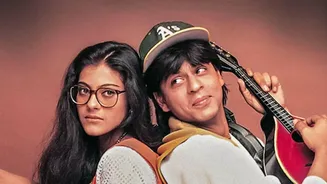
The initial spark of curiosity for these films often ignites on social media. A 15-second clip of a classic song on Instagram Reels, a fan edit on YouTube, or a viral meme using a decades-old dialogue can send a young viewer on a search. Songs from Dilwale Dulhania Le Jayenge or Tezaab are currently trending on Reels, introducing a new generation to their iconic melodies and choreography. This digital word-of-mouth is incredibly powerful. Viewers see a snippet online, become intrigued by the fashion, the music, or the sheer drama, and then head to a streaming service to watch the entire film, bridging the gap between a fleeting trend and genuine film appreciation.
A Craving for Simpler Storytelling
Many younger viewers are drawn to the perceived authenticity and emotional depth of older Bollywood films. In an era of high-octane action sequences and complex visual effects, the straightforward, character-driven narratives of the past offer a refreshing change of pace. Experts note that the appeal lies in simpler storytelling, a gentler portrayal of life, and timeless music that resonates long after the credits roll. There's a romanticism and poetic quality to the dialogues and song lyrics of films like Pyaasa or Guide that feels distinct from modern cinema. This search for substance and emotional connection is a key driver behind the trend, with many finding comfort in the familiarity of these classic stories.
Inherited Nostalgia and New Icons
For many in Gen Z, these films are also a way to connect with their parents' generation. The music and movies their parents grew up with become a shared cultural language. This 'second-hand nostalgia' for a time they never experienced allows them to immerse themselves in a different era. Actors and actresses from the past are becoming icons for a new age. Furthermore, stars of the 90s and 2000s, like Kajol, have noticed a revival of their work among fans who weren't even born when films like Kuch Kuch Hota Hai and Kabhi Khushi Kabhie Gham were released. This rediscovery is not just about nostalgia; it’s about younger audiences connecting with the passionate, romanticised storytelling of that era.