





The Unseen Structure of Sound
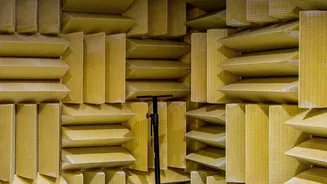
The core of a room's quietness lies hidden within its walls. Most standard residential or hotel walls are built with studs and drywall, which on their own do little to block noise. Sound travels easily through these basic structures. Better sound isolation
comes from what's added inside the wall cavity. Materials like fibreglass or mineral wool insulation absorb sound waves, preventing them from passing through. Architects also use specific construction techniques, such as creating an air gap between double layers of drywall, which significantly dampens sound transmission. The effectiveness of a wall or window at blocking airborne sound is given a Sound Transmission Class (STC) rating; the higher the number, the better the soundproofing. A standard wall might have an STC of 33, where loud speech is audible, while a rating of 50 or more is needed to make speech generally unheard.
The Role of Room Surfaces
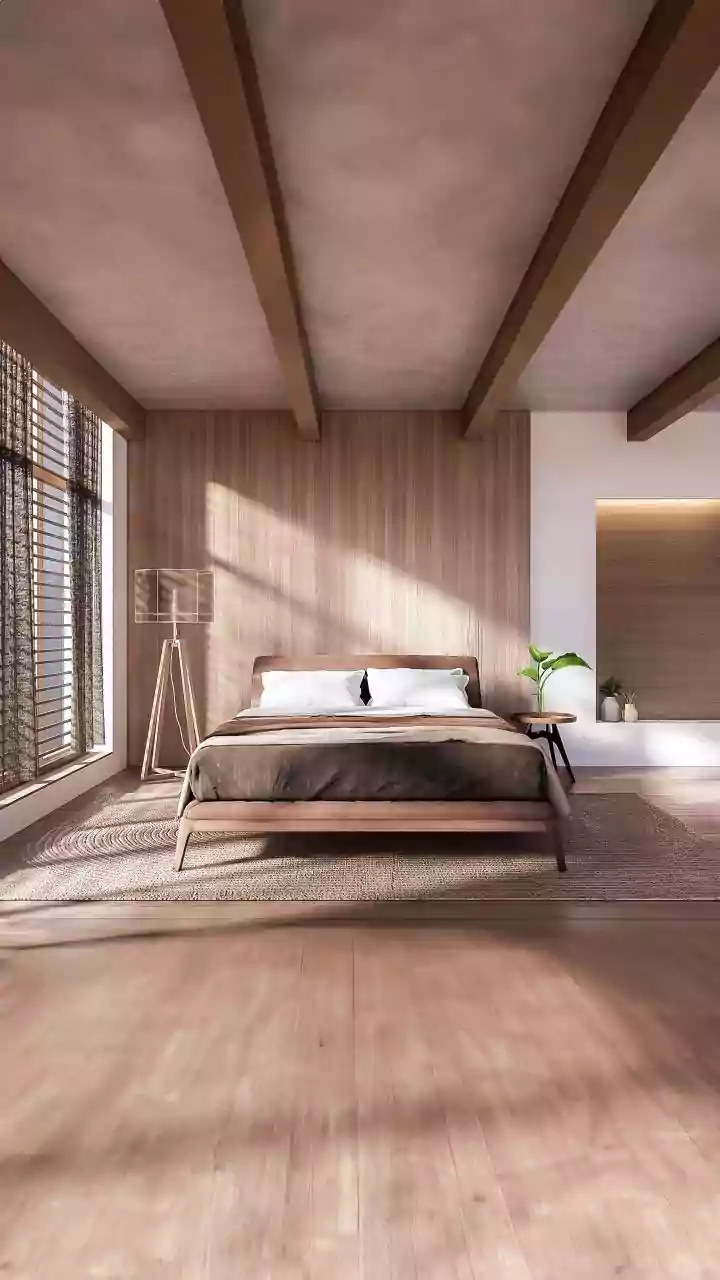
Once sound is inside a room, its character is shaped by every surface. Hard surfaces like large windows, tile floors, and bare walls reflect sound waves, causing them to bounce around. This creates echoes and reverberation, making a space feel louder and more chaotic. Think of an empty gymnasium, where every clap echoes for seconds. In contrast, soft surfaces absorb sound. That's where room-facing details become critical. Plush carpets, thick curtains, upholstered sofas, and even large bookshelves act as sound absorbers. They trap sound waves, reducing echo and creating a more comfortable, quieter acoustic environment. A room filled with soft furnishings will always feel more peaceful than one with a minimalist, hard-surfaced design, even if the walls are identical.
Doors, Windows, and Weak Links
A room's soundproofing is only as strong as its weakest point. A high-STC wall can be defeated by a poorly sealed door or a cheap window. Doors are common culprits; hollow-core doors offer very little sound resistance compared to solid-core ones. The gaps around and under a door are also major pathways for noise from hallways. Some hotels use door seals and sweeps to mitigate this, but many don't. Windows are another significant factor. Single-pane glass offers minimal sound insulation from street traffic or pool noise. Double- or triple-pane windows create insulating layers of air or gas that drastically reduce sound transmission. Even a locked connecting door to an adjoining room can be a major source of noise, as they are often less insulated than the main wall.
How to Find a Quieter Space
Armed with this knowledge, you can make smarter choices. When booking a hotel, you can specifically request a quiet room. Ask for a room on a higher floor to reduce street noise, and specifically ask for one away from elevators, ice machines, and stairwells, which are hubs of activity. Rooms in the middle of a hallway tend to be quieter than those at the ends near service areas. If you're sensitive to noise, it's also wise to ask for a room that isn't directly above or below public spaces like ballrooms, bars, or fitness centres. When you check in, you can often use hotel apps to see a floor plan and select your own room. If you get to a room and it feels noisy, don't hesitate to ask for a different one before you unpack; it's much easier for staff to accommodate an immediate request.