




Why Mandu During Monsoon?
From July to September, Mandu sheds its summer dryness and comes alive in a wash of lush green. The ancient city, perched in the Vindhya Range, becomes a breathtaking landscape of mist-covered hills and brimming lakes. It was a favoured monsoon retreat
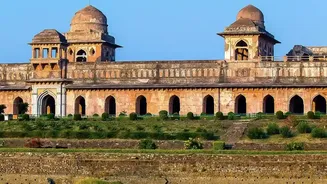
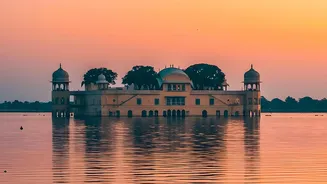
for Mughal emperors, and for good reason. The rain breathes new life into the historic stones, making monuments like the Jahaz Mahal appear to float on water. The clouds drift lazily through the valleys, creating a poetic and serene atmosphere that is perfect for history buffs, photographers, and anyone looking for a romantic escape.
Getting There from Indore
Mandu is most accessible from Indore, located just under 100 kilometres away. The journey itself is a pleasant 2 to 3-hour drive through the scenic Malwa plateau. For the most budget-friendly option, regular state-run buses ply from Sarwate Bus Stand in Indore, with tickets costing as little as ₹100-₹150. If you prefer more comfort and flexibility, hiring a private taxi is a great choice. A one-way drop can cost around ₹1,600, while a round-trip for the day might be approximately ₹2,500. Travelling by car also gives you the freedom to stop at smaller attractions along the way.
The Journey from Bhopal
The trip from Bhopal is longer, covering a distance of about 290 kilometres, which translates to a 5-to-6-hour drive. While there are no direct trains to Mandu, the most practical and scenic way to travel is by road. You can hire a cab for a one-way trip, with fares starting from around ₹4,300, depending on the vehicle type and service. For a more economical journey, you can take a bus or train to Indore and then proceed to Mandu via a local bus or taxi. Driving allows you to witness the landscape change from urban bustle to serene countryside.
Must-See Monsoon Marvels
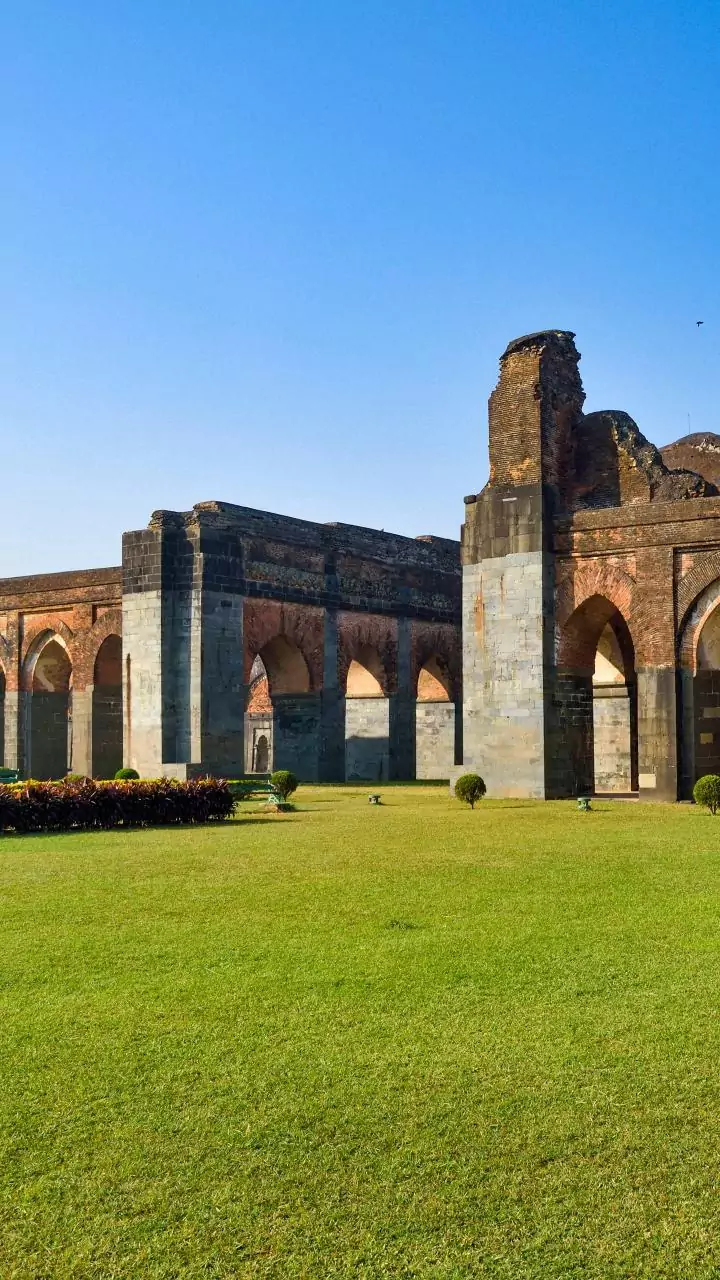
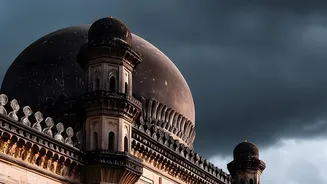
Mandu's monuments are particularly enchanting in the rain. Start with Jahaz Mahal, the 'Ship Palace', which during the monsoon truly lives up to its name as it sits between two full lakes, the Munj and Kapur Talao, creating the illusion of a floating vessel. Next, visit Rani Roopmati's Pavilion, originally an army observation post, which offers breathtaking panoramic views of the Narmada river winding through the misty plains below. Don't miss Hindola Mahal, the 'Swinging Palace', with its distinctive sloping walls, and Baz Bahadur's Palace, steeped in the legendary romance of the Sultan and his queen, Roopmati. Hoshang Shah's Tomb, a magnificent marble mausoleum said to have inspired the Taj Mahal, is another unmissable sight.
Budgeting Your Trip
A weekend in Mandu can be surprisingly affordable. Entry fees for most major monuments are nominal, often around ₹15-₹25 for Indian nationals. Accommodation options range from budget guesthouses and dharamshalas to more comfortable mid-range hotels run by MP Tourism like the Malwa Resort and Malwa Retreat. You can find decent stays for under ₹1,500 a night. For food, skip the expensive tourist cafes and head to local dhabas to savour authentic Malwa cuisine like dal bafla and poha for a fraction of the price. A solo traveller can comfortably manage a two-day trip for under ₹5,000, excluding travel from their home city.