



The Science of Discomfort: Humidity vs. Your Wardrobe
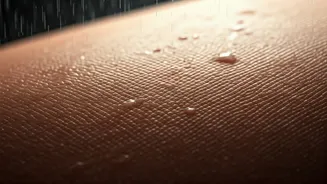
High humidity does more than make the air feel heavy; it stops your sweat from evaporating efficiently. Your body’s natural cooling system gets short-circuited, leaving moisture sitting on your skin. When this happens, the wrong fabric can turn into a wearable
sauna. Synthetic materials like polyester and nylon are particularly notorious for this. While they may be lightweight, they trap heat and moisture, creating a clammy feeling and an ideal environment for bacteria to grow, which can lead to skin irritation and odour. Even heavy cotton, often considered a summer staple, can work against you. It absorbs moisture well but dries very slowly, resulting in a heavy, clinging garment that loses its shape. This prolonged dampness isn't just uncomfortable; it can contribute to fungal and bacterial skin infections.
What 'Breathable' Actually Means
“Breathability” is more than just marketing jargon. In textiles, it refers to a fabric's ability to allow air and moisture vapour to pass through it. This is crucial in humid weather because it helps heat escape and allows sweat to evaporate off the skin. This process is different from “moisture-wicking,” which describes a fabric's ability to pull liquid sweat away from the skin to the fabric's surface. While wicking is great for intense exercise, for everyday monsoon comfort, breathability is the true hero. It’s determined by two main factors: the fibre itself and the weave of the fabric. Natural fibres like linen and cotton have structures that inherently allow for more airflow compared to most synthetics. A looser, more open weave will always be more breathable than a tight, dense one, regardless of the fibre.
Your Monsoon Fabric Champions
When the air is thick with moisture, these fabrics are your best friends: * **Linen:** Widely considered the gold standard for humid weather, linen is exceptionally breathable due to its hollow fibres and loose weave. It can absorb a significant amount of moisture without feeling damp and dries very quickly, keeping you cool. * **Cotton:** A versatile classic, cotton is soft, lightweight, and breathable. For monsoons, the key is to choose the right kind. Lightweight varieties like cotton voile, lawn, and chambray are excellent choices as their open weaves promote airflow. Pima cotton, with its longer fibres, offers superior softness and breathability compared to regular cotton. * **Rayon/Viscose:** These semi-synthetic fabrics, made from wood pulp, are known for their soft feel and good breathability. However, some types can absorb moisture and become clingy, so they are best in looser fits.
Fabrics to Sideline This Season
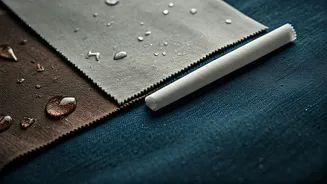
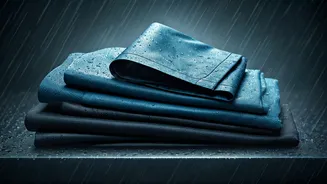
To stay comfortable, it's wise to push these fabrics to the back of your closet until the humidity drops: * **Polyester & Nylon:** These synthetic materials are hydrophobic, meaning they repel water. This causes sweat to get trapped against your skin, leading to a sticky, uncomfortable feeling. They are best avoided unless engineered specifically for high-performance athletic wear. * **Heavy Denim & Jersey:** While made from cotton, the dense weave of these fabrics restricts airflow significantly. They absorb sweat but take a very long time to dry in humid conditions, feeling heavy and damp. * **Silk:** Though a natural fibre that feels luxurious, silk can be delicate in high humidity. It is prone to showing water spots and can feel clingy when damp, making it a less practical choice for everyday monsoon wear.
Fit and Style: The Finishing Touches
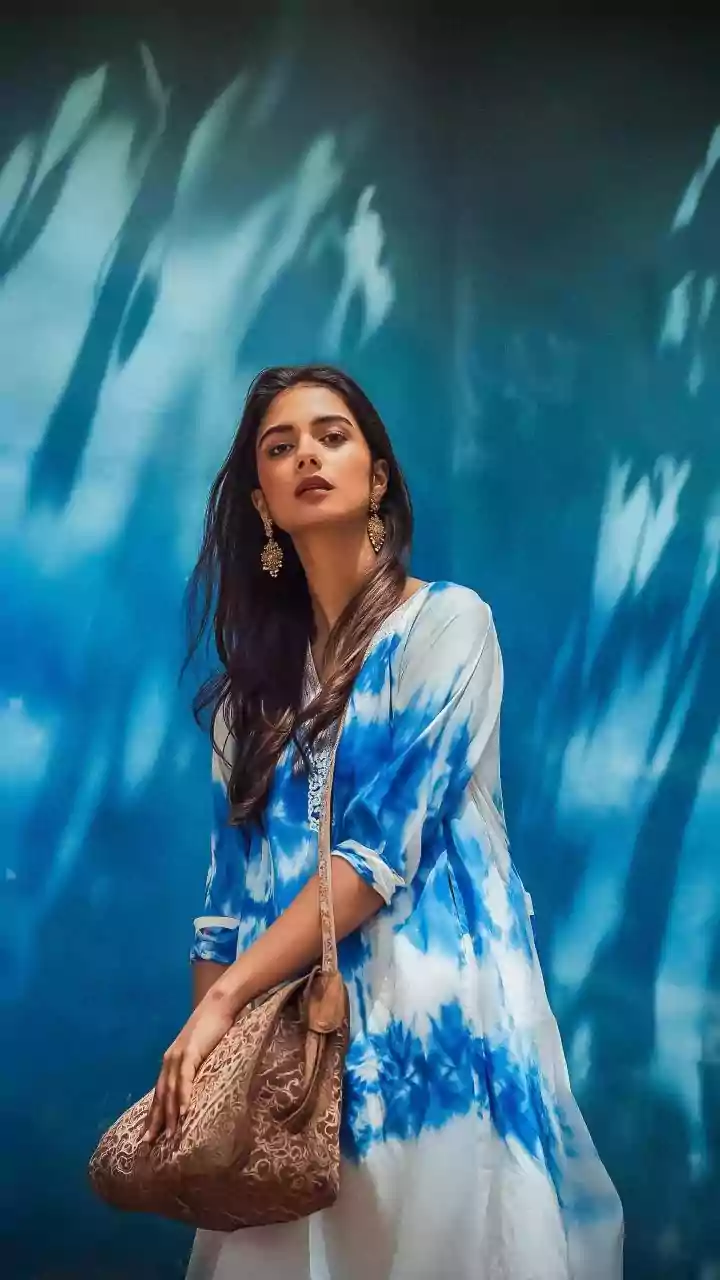
Fabric is only half the battle; the cut and style of your clothing are just as important. In humid conditions, loose-fitting garments are a much better choice than tight ones. Flowy dresses, relaxed-fit trousers, and unstructured shirts allow air to circulate around your body, aiding the cooling process and preventing fabric from sticking to your skin. Lighter colours are also a smart choice, as they reflect heat rather than absorb it, adding another layer of comfort during daytime outings. Ultimately, the combination of a breathable, natural fabric and a relaxed silhouette is the winning formula for conquering monsoon humidity with ease and style.