


Securing Your Sunk Costs: Tickets
Your flight, train, or event tickets are often the costliest and least flexible parts of any trip. When weather strikes, these bookings are the first to be affected. For flights in India, the DGCA mandates that while airlines don't have to pay cash compensation
for weather-related delays, they must provide meals, refreshments, and accommodation for long or overnight delays. However, this doesn't recover the cost of your missed hotel night or a non-refundable tour. This is where travel insurance becomes critical. A comprehensive policy can cover non-refundable expenses if your trip is cancelled or interrupted due to severe weather. When booking, always look for flexible fare options, even if they cost slightly more. Many airlines now offer tickets that can be changed for a fee or credit, which provides a valuable buffer against unforeseen delays. The small premium for flexibility is often cheaper than losing the entire ticket value.
Rethinking Your Treks and Tours
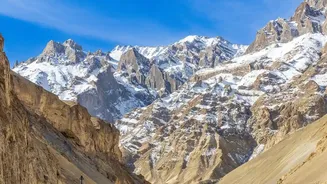
That once-in-a-lifetime Himalayan trek or coastal scuba dive is entirely at the mercy of the elements. Unlike a museum, you can't just visit when the rain stops. Tour operators for activities like trekking often have strict cancellation policies. If a trail is closed due to weather after your trek has started, you may not be eligible for a refund. Before booking any weather-dependent activity, have a direct conversation with the operator about their policies for inclement weather. Ask them what happens if the activity is cancelled. Do they offer a refund, a credit, or an alternative? It's also wise to build a 'Plan B' for each day. If your mountain hike gets rained out, what is the best indoor activity in the area? Have a list of nearby cafes, museums, or local markets you can explore instead. This prevents a washed-out day from feeling like a wasted day. For high-stakes treks, like to Everest Base Camp, companies may even offer alternative treks in different regions if flights are grounded for an extended period.
Managing the Scenic Stop Gamble
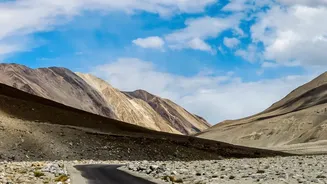
You travelled thousands of kilometres to see the sunrise over the Taj Mahal or get that perfect shot of Kanchenjunga, only to be met with a wall of fog. Scenic viewpoints are a gamble, but you can improve your odds. Instead of scheduling a single, rigid visit, build flexibility into your itinerary. If possible, stay in the area for a few days to give yourself multiple opportunities to see the view under different conditions. Use hyper-local weather apps that provide hourly forecasts rather than just a daily summary. An afternoon storm might clear up by sunset, providing a stunning photo opportunity. Sometimes, a change in perspective is all that's needed. Certain landscapes, like misty forests or rain-swept coastlines, take on a unique beauty in what might be considered 'bad' weather. A scenic drive can be a great backup plan, allowing you to see the landscape from the comfort of your car while you wait for a break in the clouds.
The Art of the Flexible Mindset
Ultimately, the best weather backup is a flexible mindset. The most resilient travelers don't have a minute-by-minute schedule; they have a list of priorities and a willingness to adapt. Before you leave, research your destination's weather patterns for that time of year. If it's monsoon season, expect rain and plan accordingly. Pack layers, waterproof gear, and a good book. Let a friend or family member know your itinerary, and sign up for alerts from your airline and local authorities. The goal is to turn a potential disaster into a different kind of adventure. A flight delay can become an opportunity to explore the airport city. A rainy day can lead you to a charming local restaurant you would have otherwise missed. Embracing the unpredictability is part of the joy of travel. With preparation, a weather disruption becomes just another part of your story, not a reason for it to end.