



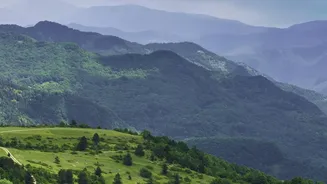
The Misty Hills of Haflong
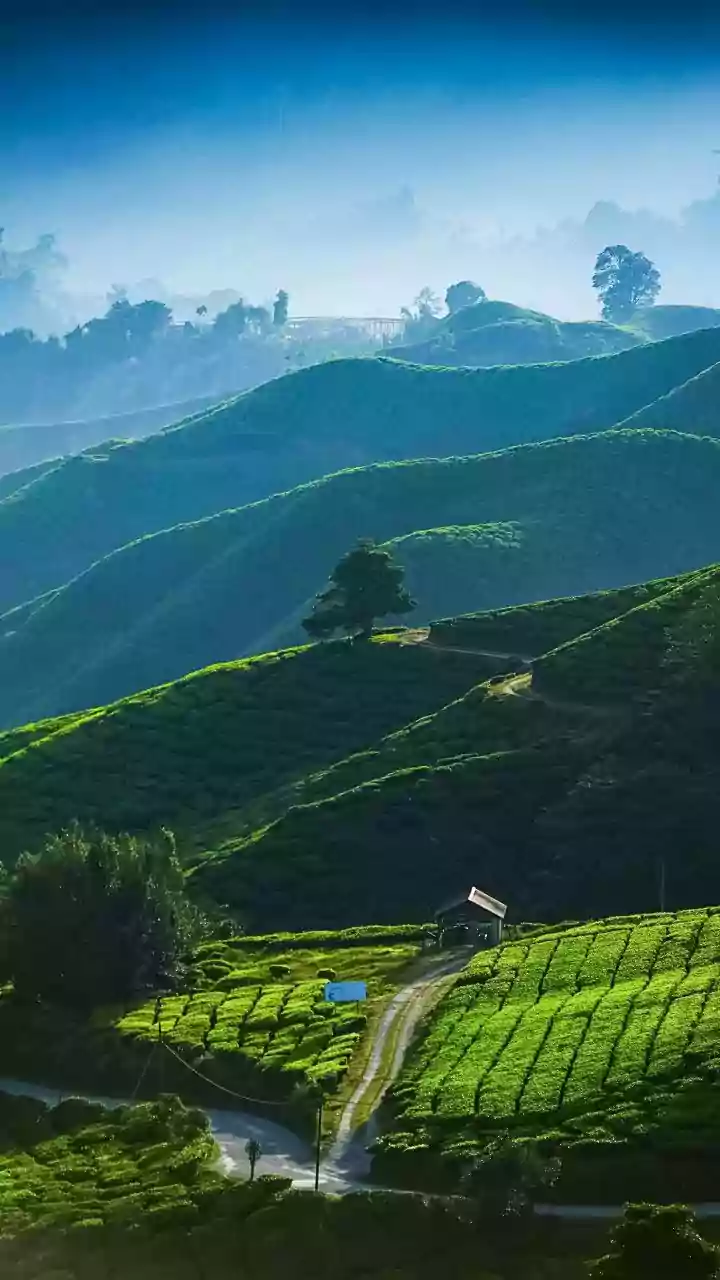
Known as the 'Switzerland of the East', Haflong is Assam’s only true hill station, and it truly comes alive during the monsoon. The rains rejuvenate the entire landscape, turning it into a lush green paradise perfect for escaping the heat of the plains.
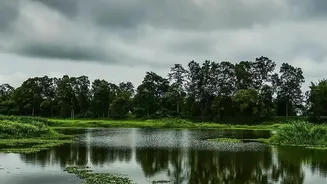
Imagine mist-covered hills rolling into the horizon, the serene Haflong Lake brimming with fresh rainwater, and clouds playfully hiding and revealing the valleys below. While the weather is at its most romantic, it’s wise to be cautious. The beautiful scenery during these months can be accompanied by the risk of landslides and road blocks, so a flexible itinerary is key to enjoying this misty haven safely. For those willing to embrace the unpredictable weather, the experience is one of quiet contemplation amidst nature at its most dramatic.
The Rain-Washed Tea Gardens
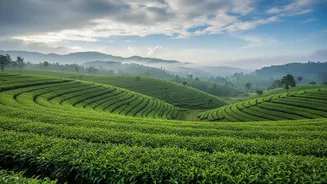
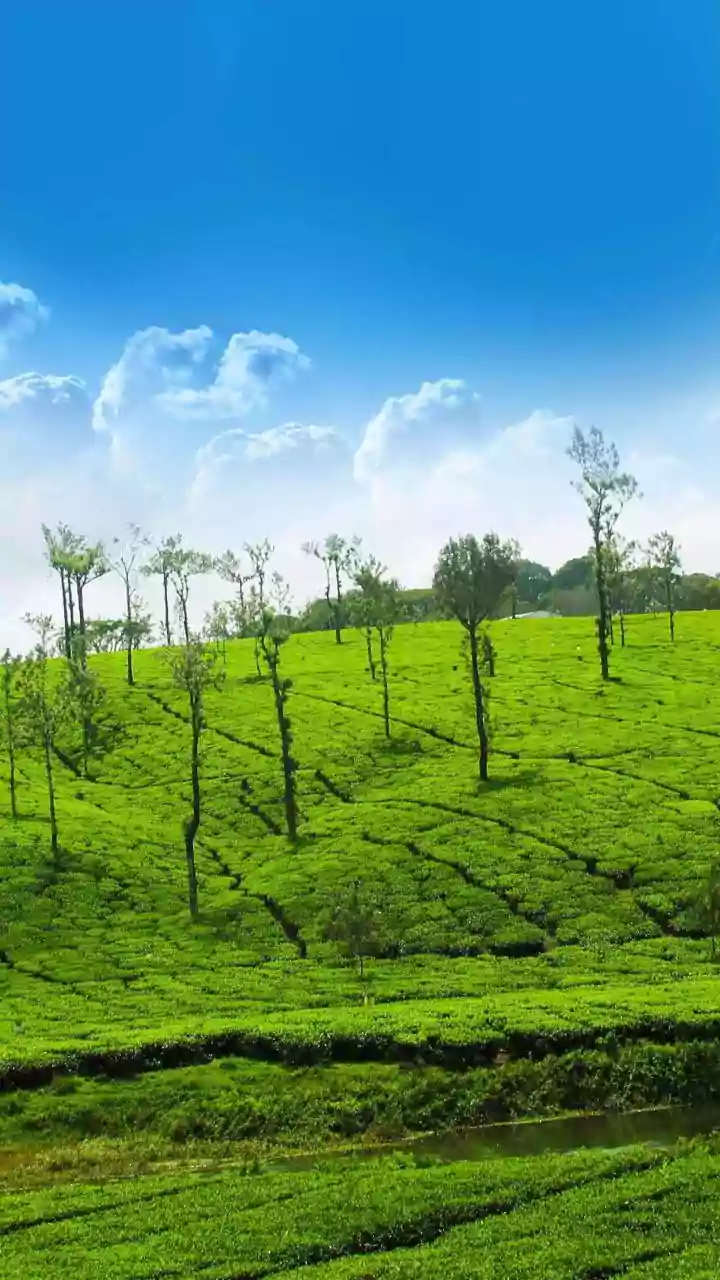
An Assamese road trip through its tea country is iconic, but a monsoon drive is something else entirely. The sprawling tea estates of Jorhat and Dibrugarh take on a fresh, vibrant look. The monsoon showers breathe life into the gardens, creating a mesmerising tapestry of green as the tea bushes sway in the gentle rain. The air is thick with the earthy scent of wet soil and fresh tea leaves. While heavy rainfall can sometimes make estate visits challenging, the post-monsoon period from October offers a perfect balance of pleasant weather and rejuvenated landscapes. Many heritage bungalows within the estates offer a cosy refuge, allowing you to watch the downpour with a cup of the world's finest tea in hand—a truly immersive experience.
The Powerful Beauty of Akashiganga
While many waterfalls dot Assam’s landscape, the monsoon season is when they are at their most spectacular. Akashiganga Waterfall, located in the hills of Karbi Anglong, is a prime example. During the drier months, it's a serene cascade, but the monsoon transforms it into a powerful, thundering spectacle, showcasing nature’s raw energy. The name, translating to 'Ganga of the Sky', feels particularly apt as you witness the sheer volume of water plunging down. For adventure lovers, visiting during the monsoon offers a thrilling experience, though it's essential to be prepared for rain and potentially slippery trails. The sacred site, linked to Hindu mythology, also takes on a deeper, more mystical aura during this time.
The Rejuvenated Spirit of Majuli
The world's largest river island, Majuli, has a complex relationship with the monsoon. The Brahmaputra River swells, and while this can lead to flooding and disrupt ferry services, it also brings a unique, raw beauty to the island. The landscape becomes a stunning canvas of emerald-green paddy fields shimmering under the rain. For the adventurous traveller, it offers an authentic glimpse into island life, where daily rhythms are dictated by the water. This is not a polished tourist experience; it's an opportunity to see Majuli at its most untamed and alive. While many accommodations may close and access can be challenging, those who make the journey find a serene, culturally rich experience far from the usual crowds.
The Verdant Outskirts of Kaziranga
It is crucial to note that Kaziranga National Park, a UNESCO World Heritage Site, remains closed to safaris from roughly May to October. The annual flooding of the Brahmaputra, which closes the park, is a vital natural process that rejuvenates its grasslands and ecosystem. However, the magic of the monsoon can still be experienced in the areas surrounding the park. The highlands and tea estates on its periphery, like those near the Kanchanjuri Tea Estate, become incredibly lush. The landscape transforms into a vibrant green carpet, and the drive along National Highway 37, which borders the park, offers splendid scenic views. Visiting the fringe areas provides a chance to appreciate the serene beauty of the region during its restorative phase, even if the famous rhinos are out of sight.